9th Circuit Questions Hawaii’s 11% Cruise Surcharge for Climate Costs
The case could decide whether states can make cruise tourism help bankroll climate resilience, or whether federal maritime rules keep port fees uniform nationwide.
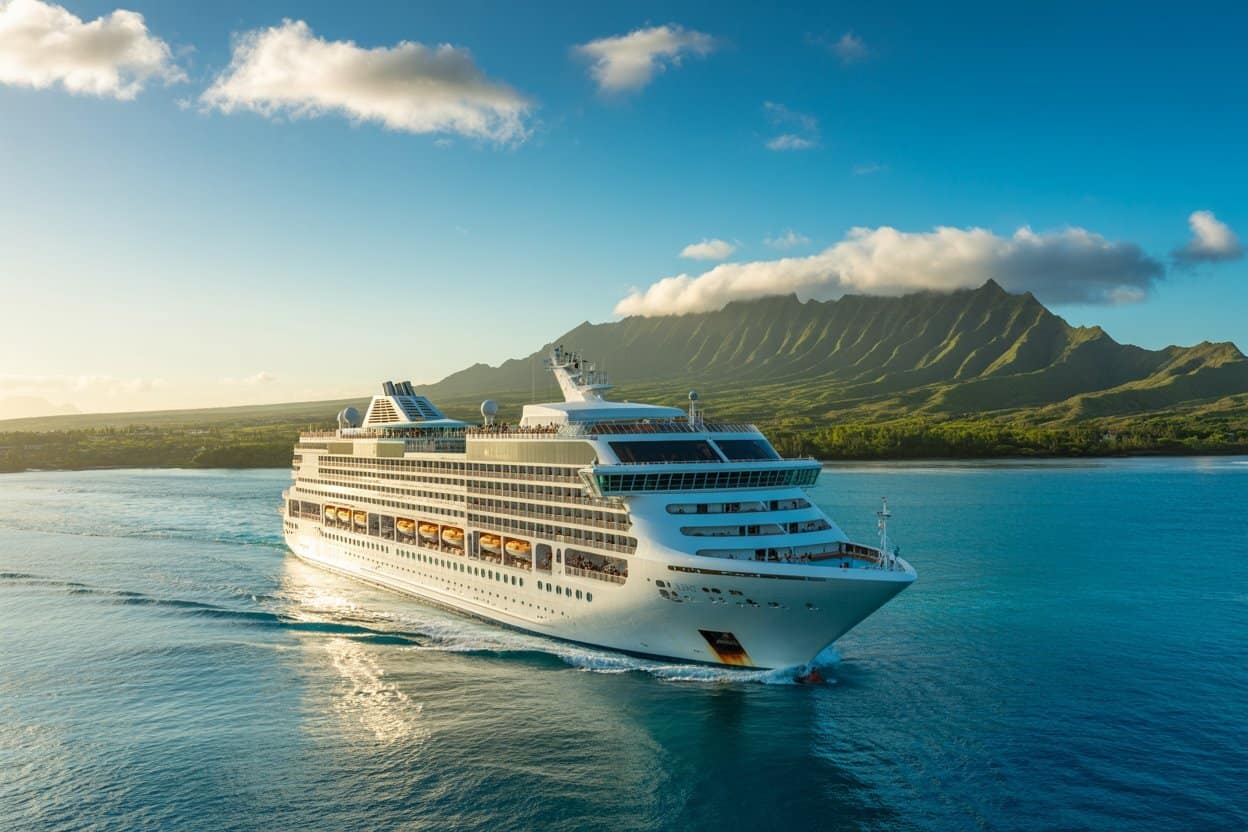
Federal appellate judges on Monday expressed skepticism about Hawaii’s bid to impose an added charge on cruise ship passengers to help pay for climate-change costs, as the 9th U.S. Circuit Court of Appeals heard arguments over what attorneys described as a first-of-its-kind passenger surcharge.
During oral arguments, the cruise industry and the Trump administration asked the court to reverse a lower-court ruling that had allowed the state to proceed. The 9th Circuit has already paused that ruling, keeping the measure from taking effect while the appeal is pending.
How Hawaii’s proposed cruise surcharge would work
Hawaii’s plan is structured as an 11% surcharge on the gross fare paid by cruise passengers. The assessment would be prorated based on the portion of an itinerary spent in Hawaiian ports, meaning the amount charged could vary depending on how long a voyage is docked in the state.
Federal maritime law at the center of the dispute
The key legal fight before the three-judge 9th Circuit panel is whether the state’s passenger-linked surcharge is compatible with longstanding federal limits on port-related charges and maritime commerce.
Benjamin Snyder, an attorney for the Cruise Lines International Association, argued the measure conflicts with the federal Rivers and Harbors Appropriation Act of 1884. Snyder told the court the tax “runs afoul of the federal Rivers and Harbors Appropriation Act of 1884,” contending the statute bars the type of assessment Hawaii is seeking to impose.
Industry representatives also warned that if Hawaii’s approach is upheld, other states could follow with similar measures, creating fragmented maritime policies and disrupting interstate commerce.
Trump administration supports the industry’s appeal
The Trump administration aligned with the cruise industry in urging the 9th Circuit to wipe out the lower-court decision that cleared the way for the surcharge. Government lawyers argued that a state-imposed fee of this type risks undermining consistency in maritime regulation, an area where federal law governs navigation and commerce.
Climate rationale, and competing claims about economic effects
Hawaii’s defense, supported by the lower court’s ruling, argued the state is acting within its authority to address environmental impacts. Supporters of the surcharge have framed it as a way to generate revenue for climate-related costs affecting Hawaii, including rising sea levels, coral reef degradation, and coral bleaching.
Opponents, including cruise line attorneys, argued the surcharge would raise ticket prices and impose operational burdens, potentially discouraging tourism. They also said the cruise sector has already made sustainability investments, pointing to LNG-fueled ships and waste-management initiatives intended to reduce environmental harm.
What happens next in the 9th Circuit
The 9th Circuit has not yet issued a decision. For now, the court’s December order pausing the lower-court ruling remains in effect, keeping the surcharge blocked after it was slated to take effect in January.
The panel’s eventual ruling will determine whether the lower-court approval is reinstated or permanently overturned, and whether Hawaii can move forward with the proposed surcharge structure.
Frequently Asked Questions (FAQs)
What is Hawaii’s proposed cruise passenger surcharge?
It is an 11% surcharge on the gross cruise fare paid by passengers, designed to help cover climate-change costs associated with cruise tourism’s impacts in Hawaii.
How would the surcharge be calculated for different itineraries?
The surcharge would be prorated based on the portion of a voyage spent docked in Hawaiian ports, so it would not necessarily apply uniformly across an entire itinerary.
What federal law does the cruise industry cite in opposing the fee?
Cruise Lines International Association has argued the surcharge violates the federal Rivers and Harbors Appropriation Act of 1884, which it says limits the kind of passenger-linked charge Hawaii is trying to impose.
Can Hawaii collect the surcharge right now?
No. The 9th Circuit paused the lower-court ruling in December, preventing the surcharge from taking effect while the appeal proceeds.
What are the main arguments for and against the surcharge?
Supporters say it would help fund responses to climate-related problems affecting Hawaii, including rising sea levels and coral impacts. Opponents argue it would increase ticket prices and create operational burdens that could deter tourism, while noting cruise lines have invested in measures such as LNG-fueled ships and waste-management initiatives.