Villa Vie Suspends Residential Cruise in Cambodia Over Fuel Costs
An August 1 message asked residents to help finance 650 metric tons of fuel, while a September meeting sought $1 million to get Odyssey out of Ha Long Bay.
Updated October 30, 2026
Villa Vie sold a home at sea, then gave residents hours to leave
At approximately 6 a.m., Villa Vie Odyssey residents Lanette Canen and Johan Bodin say they were told to leave the ship by 2 p.m. For a company selling long-term life aboard, eight hours is a brutally inadequate deadline. I expect a residential cruise operator’s contingency arrangements to account for the fact that some customers have no other home.
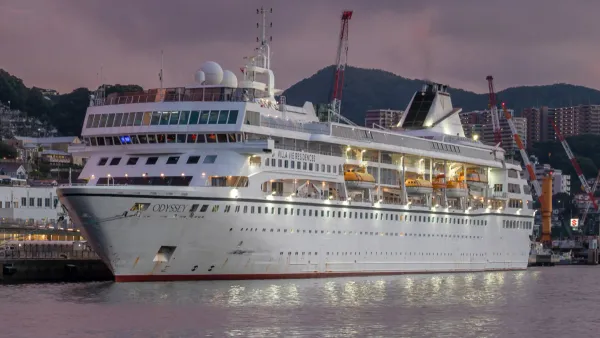
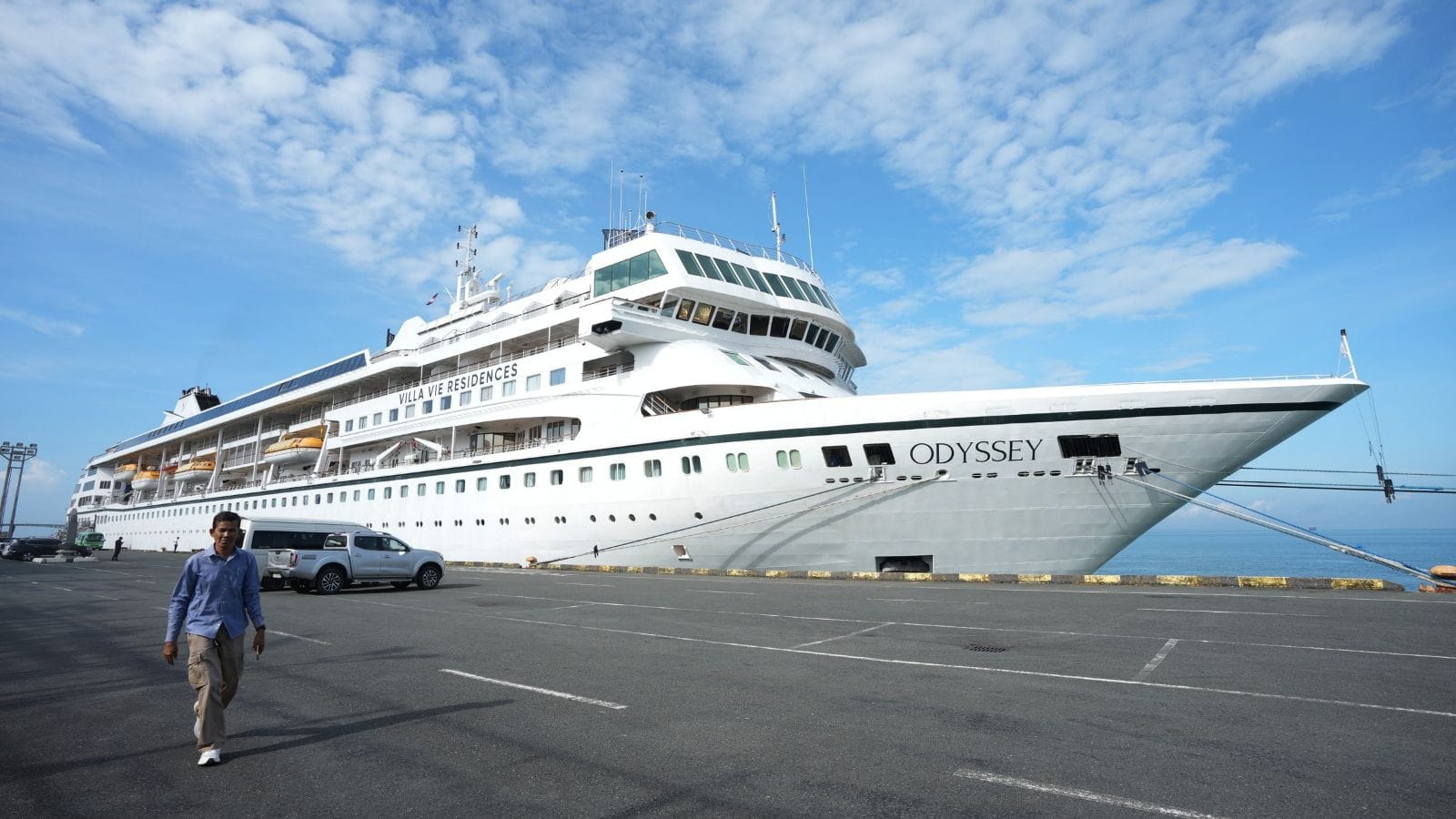
Villa Vie Residences suspended its residential world cruise aboard Odyssey, the former Fred. Olsen Cruise Lines ship Braemar, in Sihanoukville, Cambodia, on October 27, 2026, forcing residents ashore after it could no longer secure fuel. The ship was carrying 203 passengers and 156 crew members, according to Cambodian officials. The Florida-based company blamed soaring fuel expenses for making continued operations financially unsustainable. Before the suspension, Odyssey had been scheduled to visit Vietnam, Thailand, Singapore and Malaysia over the following month.
That is a serious operating crisis, but the arrangements for getting residents off the ship, and the conflicting accounts of what support followed, deserve as much scrutiny as the fuel bill.
Some residents had sold property to finance their accommodation aboard. As resident Russ Borman told Reuters: “The challenge is a lot of people now have no place to go. This was their home.”
A deadline was clear. Support ashore was not.
The notice to residents, published by passenger Randy Cassingham on ResidentialCruising.com, instructed everyone to disembark by 2 p.m. Odyssey would enter temporary layup, with crew remaining aboard to maintain the vessel and preserve essential systems. Residents who could not remove all their belongings immediately were told to arrange return visits through Guest Services.
Canen and Bodin said they knew disembarkation was possible. The short notice still surprised them. Knowing a shutdown might happen is hardly the same as having somewhere to live when it does.
The accounts of assistance ashore differed materially. Founder and executive chairman Mikael Petterson told Bloomberg that Villa Vie was covering lodging and local transportation, although it had not funded residents’ departures from Cambodia. Canen said the company helped unload luggage and provided port shuttles, but had not paid for hotels.
Passenger Sherrie Cornett described being taken into central Sihanoukville with her luggage. “We were left to our own devices to find hotels,” she told NBC News.
Cassingham later wrote that Villa Vie offered a charter flight to the United States for a reported $1,100 per person, passport assistance and a list of hotels. He said those options arrived a day after residents had been required to leave the ship.
Those accounts leave an important question unresolved: who was actually paying to accommodate displaced residents? Villa Vie has also not announced when residents might return aboard or whether they will receive refunds or other compensation.
The fuel problem had been building for months
Villa Vie estimated that monthly fuel spending, calculated per cabin, had risen from a historical average of roughly $1,800 to between $6,000 and $8,000 in parts of Asia. Petterson attributed the increase to the Iran war that began in late February and said slower sailing and longer port stays had failed to bring costs under control. “Passing the full increase on to residents is not a realistic solution,” he said.
In a separate interview, Petterson said monthly operating expenses had increased by about 50% to $3 million. The company was proposing an additional $500 monthly charge for residents, alongside a fuel surcharge, while prices remained elevated.
There is no sensible argument for keeping a ship sailing when the operator cannot pay for fuel. The more troubling detail is how long residents had already been involved in efforts to fund it.
In an August 1 message reviewed by Business Insider, chief executive Kathy Villalba said earlier fuel contributions had covered only part of the increased expense. She identified an immediate need for 650 metric tons of fuel and asked residents who had not contributed, as well as those able to provide more, to help finance the purchase.
Pamela Reckamp, who rented a cabin with her husband before leaving earlier in October, told NBC News that a company official asked cabin owners at a September meeting to help raise $1 million so Odyssey could leave Ha Long Bay, Vietnam. She also described reductions in fitness classes, laundry and internet access. Cruise Industry News separately reported that residents were later approached for another $360,000 to cover fuel costs.
Residents were being asked to help keep the operation moving well before they were told to leave it.
A residential promise carries a different obligation
Villa Vie marketed accommodation for approximately 650 residents, with a global circuit planned every three and a half years. The voyage began from Belfast in October 2024, following months of repair-related delays. Customers could purchase, rent or rent-to-own cabins. A company brochure listed permanent-residency purchases from just under $130,000 to approximately $440,000, plus recurring monthly charges of $2,000 to $10,000.
Those are substantial commitments to a way of living. I would judge the operator’s contingency arrangements against that promise, rather than the standard of an interrupted holiday.
Odyssey’s future now depends on financing that has not been secured. Petterson told Business Insider that discussions with a potential investor continued until the week before the suspension, but the expected investment fell through. Long Dimanche, deputy governor of Preah Sihanouk province, said the ship was expected to refuel and leave Cambodia on October 31. Villa Vie has not publicly confirmed that departure.
Petterson said the company would pursue restructuring and recapitalization over the next 60 days, warning: “That work is ongoing, and no outcome is assured.”
Keeping essential systems running protects the vessel. A residential operator also needs a funded plan for the people who called it home. On the evidence available, Villa Vie has explained the first far more clearly than the second.