Telenor Maritime Expands Quvia Deal for Real-Time Cruise Wi-Fi
With streaming and shipboard apps pushing satellite links to the edge, cruise operators are embracing automated network control to keep connectivity reliable at sea.
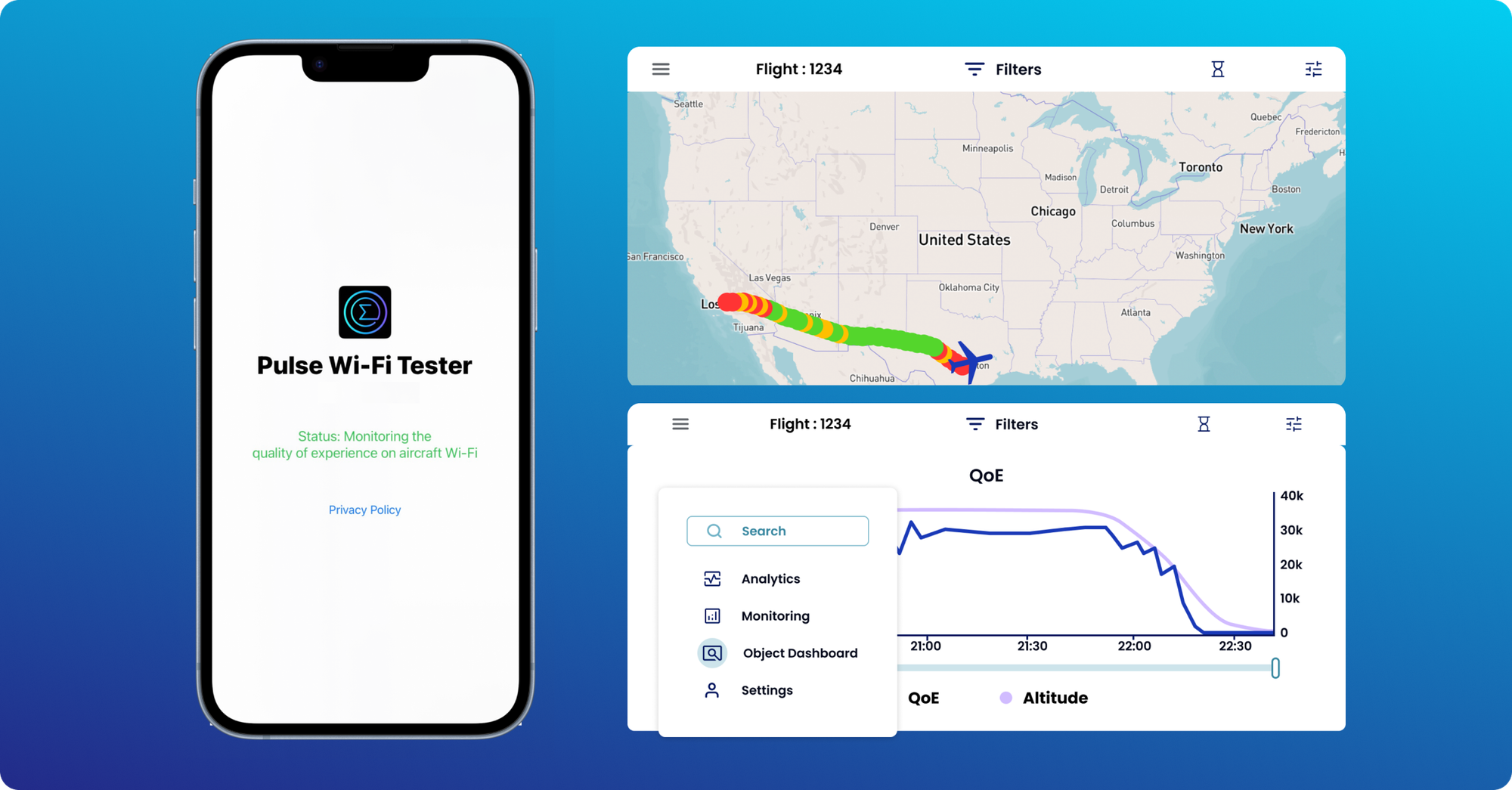
Telenor Maritime has expanded its partnership with edge-to-cloud network platform Quvia to develop AI-driven tools aimed at optimizing onboard connectivity for cruise environments, with ferry operations also in scope. The companies said the work builds on a proof of concept (PoC) announced last year that produced measurable improvements in network performance and the passenger experience.
In the current phase, the collaboration centers on improving how onboard connectivity is monitored, managed, and optimized in real time across high-demand maritime environments. The companies said jointly developed solutions are already operational aboard cruise vessels.
Focus shifts from testing to real-time performance management
Telenor Maritime framed the expanded partnership as a move from the earlier PoC into broader operational use, with an emphasis on real-time visibility and control. Magnus Møller, CEO of Telenor Maritime, said the goal is to deepen real-time oversight of onboard networks as demand patterns fluctuate throughout a voyage.
“With Quvia, we are exploring how we can further develop our ability to monitor and manage performance in real time,” Møller said. “Our focus is to deliver the best possible experience for passengers and crew on board.”
How the AI-driven optimization layer is intended to work onboard
The companies’ approach is designed to add an intelligent optimization layer on top of existing connectivity systems, rather than replacing underlying infrastructure outright. On cruise ships and ferries, connectivity loads can shift quickly based on passenger behavior, operational requirements, and the constraints of maritime connectivity links, which is where Quvia’s platform is positioned to help.
Quvia’s platform is built around continuous monitoring and automated adjustments to how network traffic is handled, aiming to keep performance more consistent when demand spikes. Telenor Maritime and Quvia said the result is expected to support better stability and capacity during peak usage, such as periods when many guests are online at the same time.
- The system is designed to provide real-time monitoring of connectivity performance while a vessel is operating, giving operators visibility into changing conditions as they occur.
- It is intended to use dynamic traffic management so network resources can be adjusted as demand rises, with the goal of prioritizing stability during peak usage windows.
- The optimization layer is designed to integrate with existing connectivity setups, focusing on improving how current resources are utilized across high-demand maritime environments.
What is known about deployment so far
Both companies have said their jointly developed solutions are already running on cruise vessels. While Telenor Maritime described last year’s PoC as delivering measurable gains tied to network performance and onboard user experience, specific metrics from that trial were not disclosed in the available information.
The companies also have not announced vessel names, a fleetwide rollout schedule, or a detailed timeline for ferry deployments. What has been confirmed is the operational use on cruise ships and the expanded scope of the collaboration into additional maritime environments.
Ferries highlighted as a next frontier
Quvia and Telenor Maritime also pointed to ferry operations as a growth area, describing them as fast-moving, high-density environments where demand can surge in short time windows. Kidsan Barnes, SVP of Cruise & Ferry at Quvia, said the company sees ferries as a particularly demanding setting for connectivity optimization.
“Building on our experience supporting connectivity at scale across cruise environments, we see ferry operations as the next frontier where fast-moving, high-density conditions leave little room for disruption,” Barnes said.
Barnes added that the technology is being positioned to support onboard digital services and personalization while maintaining reliability. “At the same time, we’re enabling a more robust platform for personalized passenger experiences, while maintaining stability and efficiency for both passengers and crew,” Barnes said.
What the expanded collaboration is aiming to change for users
For passengers, the companies described the core objective as smoother, more consistent connectivity during heavy-usage periods, including times when many travelers connect at once. For crew and onboard operations, the stated focus is improved stability and more dependable performance management in real time, reducing reliance on purely manual interventions when conditions change.
With the partnership now expanded beyond the earlier proof of concept, the next milestones to watch will be where the companies deploy the solution next and whether ferry operators adopt the same AI-based approach to managing high-density, fast-changing connectivity demand.
Frequently Asked Questions (FAQs)
What is the purpose of Telenor Maritime’s expanded partnership with Quvia?
The partnership focuses on enhancing AI-driven connectivity optimization in cruise environments, with ferry operations also being explored. The companies said the goal is to improve network performance, stability, and the passenger and crew experience through real-time monitoring and dynamic traffic management.
What innovations does Quvia bring to the collaboration?
Quvia provides an AI-driven edge-to-cloud platform designed to add an intelligent optimization layer on top of existing connectivity systems. The companies said this enables real-time visibility and automated adjustments to how network traffic is managed, helping maintain performance and capacity during peak demand.
Are the joint Telenor Maritime and Quvia solutions already operating on ships?
Yes. The companies said their jointly developed solutions are already active on cruise vessels as the collaboration expands beyond the proof of concept announced last year.
What did the proof of concept show?
Telenor Maritime said the proof of concept produced measurable improvements in network performance and the passenger experience. However, the companies did not disclose specific metrics in the information provided.