Science Studies Link Hondius Hantavirus Outbreak to Rodent Exposure
Hondius left Ushuaia on April 1; the final patient developed symptoms 60 days later after close, prolonged contact with case 10, beyond the estimated incubation period.

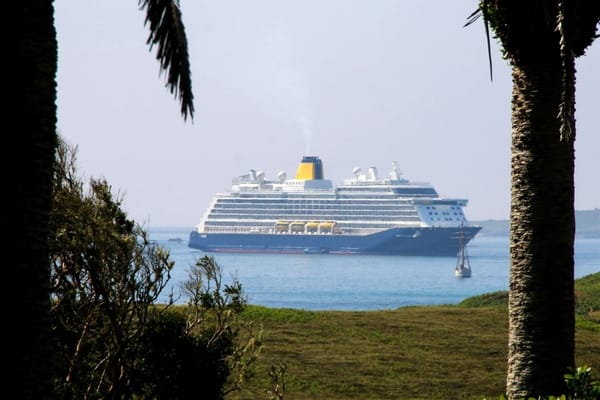
New genomic studies published November 12 in Science support a rodent-to-human introduction followed by limited person-to-person transmission in the Andes hantavirus outbreak linked to Oceanwide Expeditions’ 170-passenger M/V Hondius earlier in 2026. The findings concern a past outbreak: the World Health Organization declared it over on July 2, with no evidence of sustained transmission.
The cruise-linked outbreak involved 13 cases, including three deaths. Researchers sequenced viral genomes from 10 affected people and found closely matching genetic material, adding laboratory evidence to the contact investigations and symptom timelines assembled during the public health response. The analyses do not establish who infected whom in every case.
Timing and close contacts support secondary transmission
Hondius departed Ushuaia, Argentina, on April 1. The first case was reported two days later, while the final patient, designated case 13 in the investigation, developed symptoms on May 31, 60 days after departure.
Researchers compared that interval with the estimated six-week maximum incubation period for an initial rodent-acquired infection. They also documented close, prolonged contact between the final patient and another confirmed patient, designated case 10. Together with the genomic similarities, those findings supported secondary transmission aboard the ship.
Most hantavirus infections follow exposure to infected rodents or their secretions, including inhalation of contaminated dust. “The Andes virus, however, has the rare ability to also pass directly from person to person through close, prolonged contact,” said Isabella Eckerle, director of the University of Geneva/Geneva University Hospitals Center for Emerging Viral Diseases.
Genetic similarity helps investigators assess whether cases are connected, but it cannot identify every contact or pinpoint when an infection occurred. The researchers combined sequencing with interviews, travel histories, symptom-onset dates and information about contact between passengers and crew.
Patagonian lineage and a cross-border investigation
The outbreak virus was genetically close to naturally circulating Andes virus strains in Argentine Patagonia. A companion Science paper examined the historical lineage associated with the outbreak in northern Patagonia.
Laboratories in France, Switzerland, the Netherlands, Spain, Canada, Senegal and South Africa independently compared results as part of the international work. Eckerle’s center, which serves as a WHO collaborating center, participated in the epidemiological and genetic investigation.
Passengers and crew crossed national borders and disembarked at different points, requiring authorities to identify potentially exposed travelers and flight contacts and arrange monitoring after travel. The U.S. Centers for Disease Control and Prevention investigation documents the follow-up and testing guidance coordinated for contacts connected to the event.
The studies do not identify a new general hantavirus risk from ordinary cruise travel.
Health agencies continue to advise clinicians assessing compatible illness to consider patients’ travel and exposure histories, particularly where relevant contact is known.