Royal Caribbean Ship Strikes Pregnant Fin Whale Near Alaska
The carcass was towed to Lowell Point for examination; NOAA's law enforcement office is investigating, and final diagnostic results may take months.
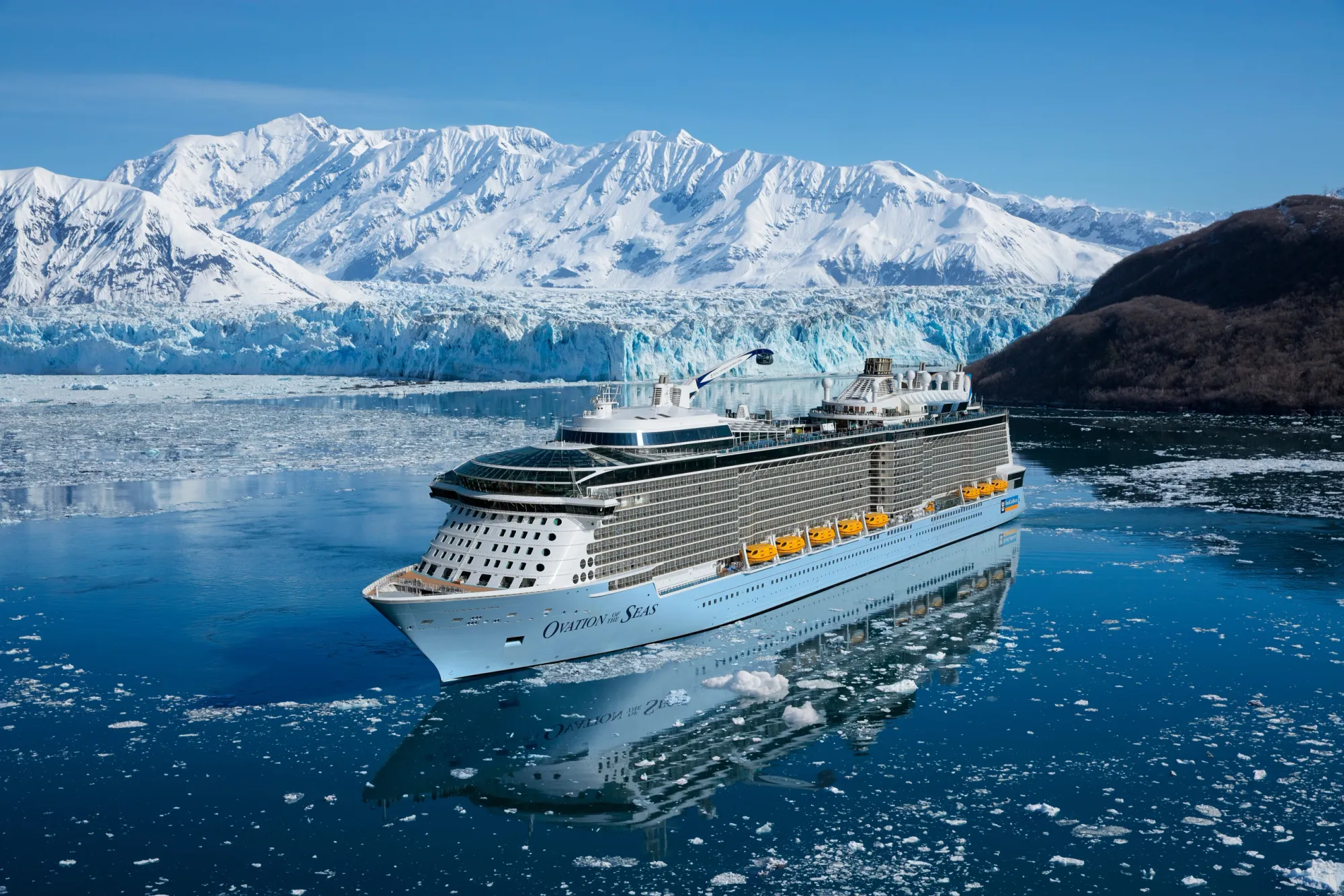
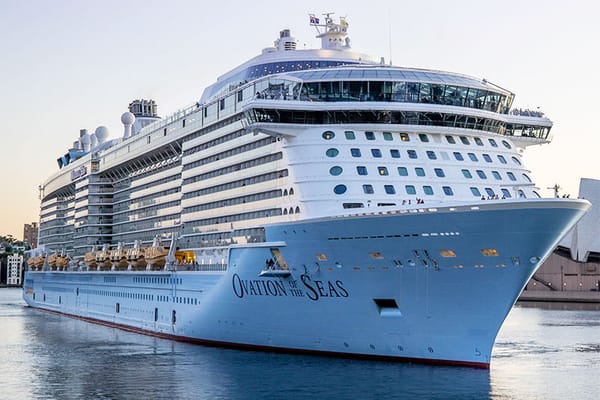
Royal Caribbean International’s Ovation of the Seas arrived in Seward, Alaska, on Friday, June 19, with a dead 61-foot endangered fin whale on the ship’s bulbous bow. The adult female whale was pregnant, and preliminary necropsy findings by NOAA Fisheries, the Alaska SeaLife Center and Alaska Veterinary Pathology Services identified injuries consistent with a vessel strike, including blunt-force trauma to the jaw, spine and ribs.
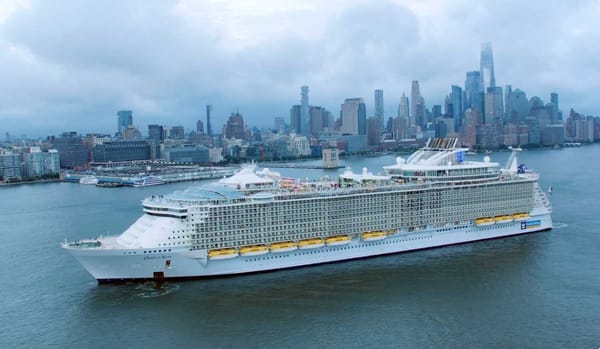
The vessel involved is a 168,666-gross-ton Quantum-class ship. The whale species is protected under the Endangered Species Act, and NOAA identifies vessel strikes as a major threat to fin whales, the world’s second-largest whale species.
Necropsy points to a strike
NOAA said the whale was found on top of the ship’s bulbous bow after the vessel reached Seward. A local company towed the carcass to a nearby beach at Lowell Point, where NOAA worked with the Seward-based Alaska SeaLife Center, Alaska’s only permanent facility authorized to respond statewide to live and dead stranded marine mammals, and Alaska Veterinary Pathology Services.
The examination found the whale was “freshly dead, and in good nutritional condition,” with substantial blubber and muscle. NOAA spokesperson Jennifer Angelo said the female was about halfway through a roughly yearlong gestation period; the fetus was female, and its age was confirmed by weight and length.
The NOAA Fisheries Office of Law Enforcement is investigating. NOAA asked the public to stay away from the necropsy site while samples were being collected and reminded visitors that collecting tissue, baleen or other whale parts is illegal except for Alaska Native subsistence or handicraft uses; the agency directed tips to its 24-hour enforcement hotline at 800-853-1964.
Royal Caribbean says ship reported incident
Royal Caribbean acknowledged the strike in a statement, saying it was “saddened to hear that one of our ships struck a whale while on its way to Seward.” The company said the ship immediately notified authorities and that it is cooperating with NOAA.
Royal Caribbean did not answer questions about Ovation of the Seas’ speed as it approached Seward or what measures were in place to avoid whales. The ship was operating Royal Caribbean’s one-way Alaska program between Vancouver, British Columbia, and Seward, with alternating northbound and southbound departures scheduled through mid-September; it departed its next sailing on time.
Alaska whale-strike history and speed-limit calls
NOAA has described fin whales as probably the whale species most vulnerable to vessel strikes after North Atlantic right whales. The species ranges along Alaska’s coast into Arctic waters but is not often seen near shore, spending much of its time in deep, open ocean; fin whales are also listed as depleted under the Marine Mammal Protection Act.
Whale strikes have reached Seward cruise traffic before. Holland America Line’s Zaandam arrived in 2016 with a dead fin whale on its bow, and a Celebrity cruise ship arrived in 2006 with a deceased humpback whale. A 2012 NOAA report documented 108 reported whale-vessel collisions in Alaska from 1978 to 2011, with nearly a quarter of those collisions killing the whales.
“Ship strikes are already a leading cause of whale mortality in U.S. waters and the threat is growing,” said Rick Steiner, an Anchorage-based marine ecologist and board president of Public Employees for Environmental Responsibility. Steiner has advocated speed limits of 10 knots in daytime and 8 knots when visibility is low in areas including Unimak Pass, Icy Strait, Prince William Sound and Resurrection Bay; Ovation of the Seas has a listed speed of 22 knots.
A 2022 NOAA presentation said voluntary 10-knot reductions for large ships in parts of California cut whale strikes by half in 2021. In Alaska, Glacier Bay National Park has seasonal restrictions to protect humpback whales, and cruise lines visiting the park have been required since 2020 to use Whale Alert during visits.
Cruise Lines International Association did not directly answer a question about voluntary speed reductions in Alaska waters. The association said its members support crew training, observation practices, reporting tools and speed reductions in sensitive areas, and cited work with NOAA and Glacier Bay National Park on Whale Alert Alaska, a reporting and information-sharing system that gives registered professional mariners access to whale sightings.
NOAA said arrangements were being made to tow the carcass offshore, where it is expected to sink and become part of the deep-sea food web. Final histological and diagnostic results from the collected samples may take months.