Regal Princess Crew Member Dies After Going Overboard Off Cancun
Passenger David Jimenez said the captain alerted guests around six in the morning, then called crew to a man-overboard response as hourly updates followed.
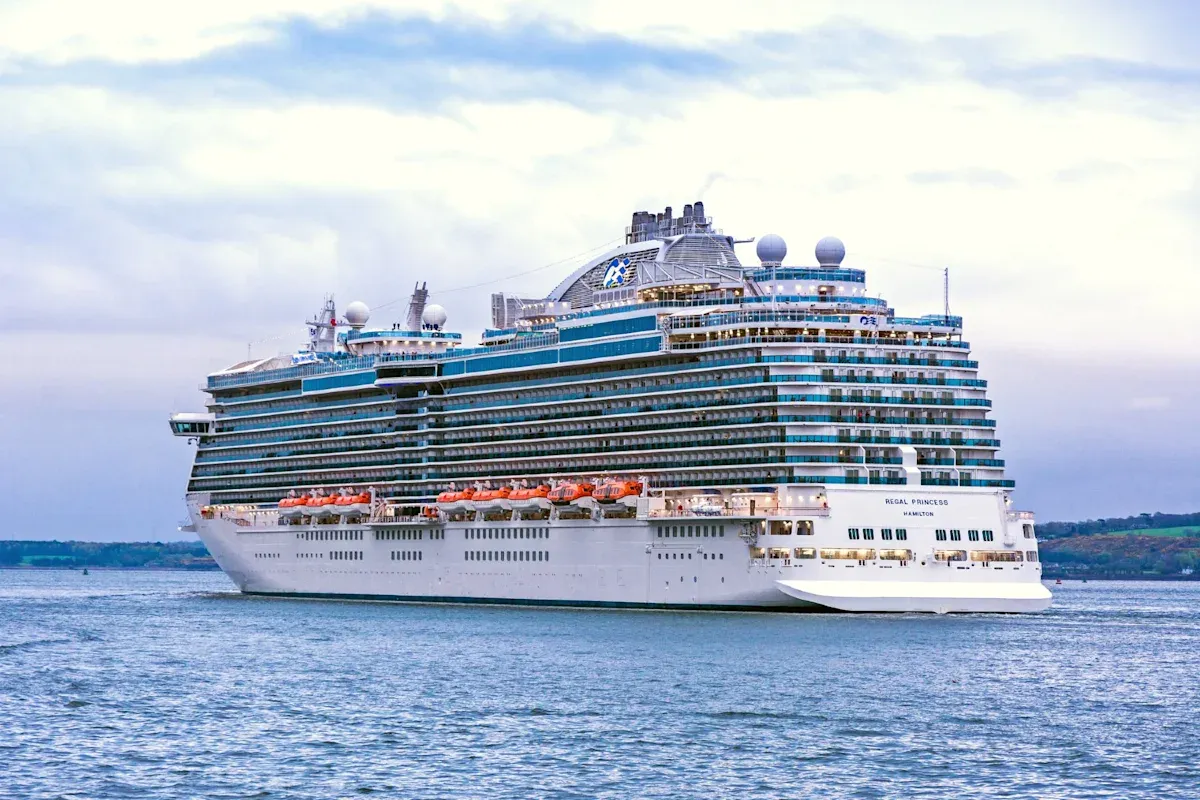
Passengers aboard Regal Princess were told Monday, July 13, that a Princess Cruises crew member had died after going overboard in waters off Cancun, Mexico. The ship, local maritime authorities and Carnival Jubilee searched for the crew member. The vessel was on a seven-day Caribbean sailing from Port Everglades in Fort Lauderdale, and Princess revised the itinerary after the search disrupted the scheduled Cozumel call.
Princess has not publicly identified the crew member. The line said it was making grief support available to guests and crew affected by the death.
Passengers describe morning announcements and search
David Jimenez, a passenger on the sailing, said the captain first alerted guests at around 6 a.m. that a crew member may have gone overboard. The captain then called crew to a man-overboard response, Jimenez said. “We were stunned,” he said.
Jimenez said he photographed rescue crews preparing to search and that the ship provided updates about every hour. By around 1 p.m., passengers were told the crew member had died.
“Our heartfelt condolences go out to the crew’s family and friends during this difficult time,” Princess said. The company thanked local maritime authorities and “our colleagues from Carnival Jubilee” for assisting in the search-and-rescue effort.
Reworked Caribbean schedule
Regal Princess departed on Saturday, July 11, for the Western Caribbean. The ship had been scheduled to call Cozumel on July 13, Belize on July 14 and Roatan on July 15.
Princess canceled the July 13 Cozumel call during the search but later put the port back on the voyage for July 16. Belize remained on the July 14 schedule, Roatan was unchanged, and Princess said the ship remained due back in Fort Lauderdale on July 18.
How U.S. safety law applies
Because Regal Princess embarked passengers in the United States, the Cruise Vessel Security and Safety Act of 2010 is part of the safety framework for the incident; the statute covers passenger vessels with at least 250 passengers, onboard sleeping facilities and non-coastwise U.S. sailings. Its equipment provisions require covered vessels to integrate technology to capture images of passengers or detect overboard falls when available.
Dr. Ross Klein’s overboard database lists 439 people overboard from cruise ships or large ferries since 2000, including more than 300 since the CVSSA took effect.
Princess has not released the sequence of events leading to the fall or how the ship first learned the crew member had gone overboard. The company said it is still looking into why the crew member went overboard.