Ponant Lifts Papeete Waste Recycling Rate to 60%
A Bureau Veritas partnership begun in 2024 assesses collection, transport and treatment at ten ports that receive half of Ponant’s annually unloaded waste.
Ponant’s Papeete waste fix shows why onboard sorting isn’t enough
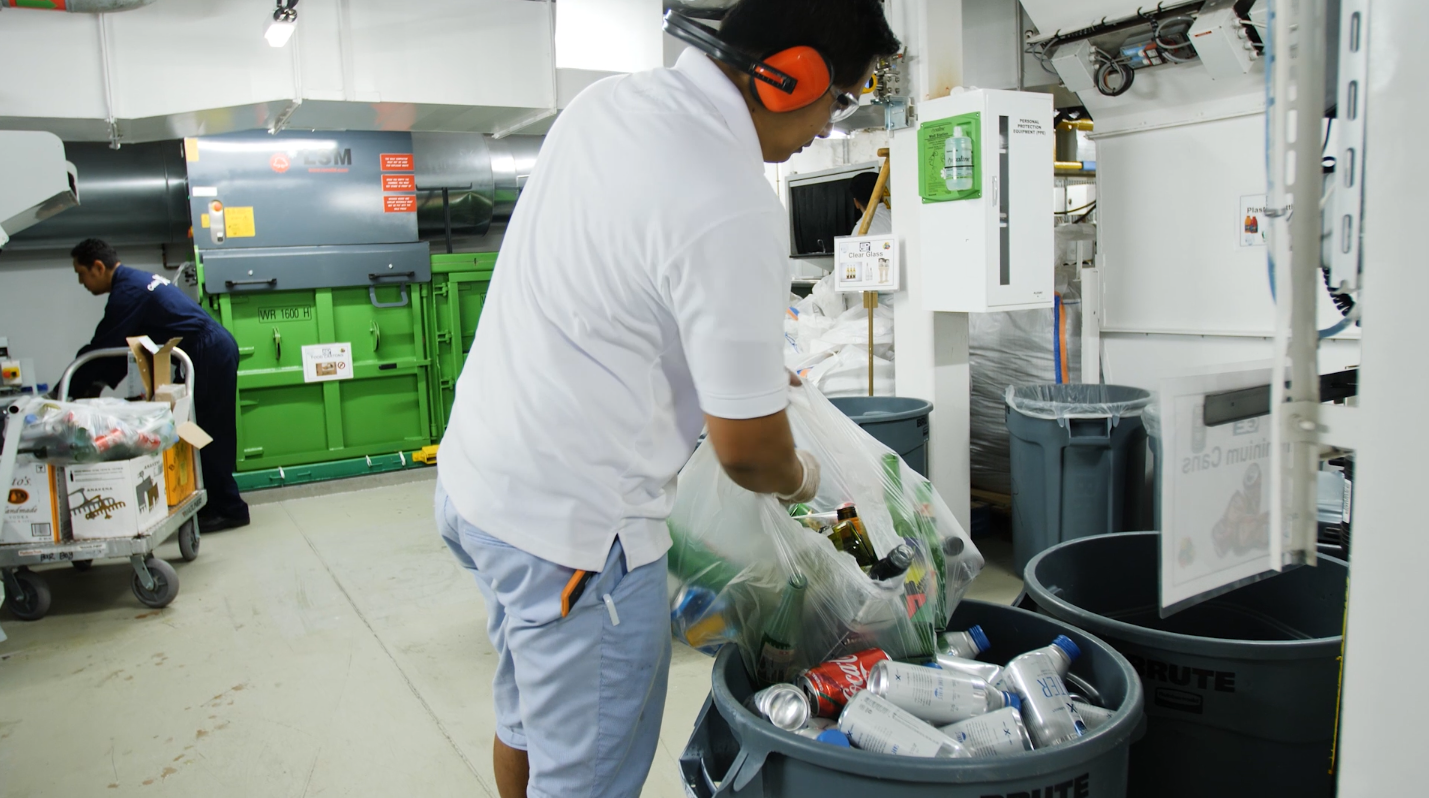
In Papeete, some materials separated onboard Ponant’s ships were being mixed with other waste ashore and sent to landfill. The crew could sort everything correctly and still see that work undone after unloading.
I give Ponant credit for looking far enough to uncover that failure, then bringing together participants across the local waste management chain to address it. That is more useful environmental work than treating the ship’s gangway as the end of the company’s responsibility.
The result is concrete. According to Ponant, the recycling rate for waste discharged in Papeete rose from zero in 2025 to 60 percent in 2026. This is a port where Paul Gauguin makes more than 50 calls annually, so getting the arrangements right pays off call after call.
Checking the ports that handle half the waste
The Papeete finding sits within a wider effort described in Marseille-based Ponant Explorations’ newly published 2025 Sustainability Report. The company reported that its overall waste recovery rate increased from 13 percent in 2023 to 49 percent in 2025, attributing the improvement to changes in waste management practices and cooperation with local treatment partners.
The shore-side work has concentrated on ten ports that together receive half the waste unloaded annually across the fleet’s 150 ports of call. That is a sensible place to put the effort.
A partnership with Bureau Veritas, begun in 2024, covers Papeete, Athens, Venice, Nice, Longyearbyen, Glasgow, Broome, Darwin, Fort-de-France and Valletta. The assessments examine collection, sorting, transport and treatment, including whether materials separated onboard actually reach their intended treatment facilities. Ponant has undertaken similar assessments in Ushuaia and Reykjavik outside that partnership.
The distinction between recovery and recycling matters here. Ponant’s 49 percent group-wide recovery figure includes recycling, reuse and energy recovery. Papeete’s 60 percent figure concerns recycling alone and relates to 2026. They measure different things over different periods, and cannot be read as a single trend line.
Ponant also reported eliminating nearly 24 tons of single-use plastic in 2025 and has set a separate recycling target of 50 percent for 2026. The company says it sorts all waste onboard, with materials recycled, reused or sent for energy recovery wherever possible.
The next job is making the practice repeatable
A separate partnership with Greece’s Antipollution began in June 2025, examining waste handling aboard Le Dumont d’Urville and during its port calls. The work covered sorting efficiency and the quality of shore-side processing facilities, among other areas.
That collaboration produced framework documents and onboard training programs. Ponant plans to use them as the basis for a fleet-wide rollout, alongside standardized waste-monitoring tools and crew training.
Training crews still matters. But Papeete shows why asking them to sort more carefully cannot be the whole answer. The most credible part of Ponant’s approach is its willingness to check whether the system ashore deserves the effort being made onboard. A recycling claim has to survive the journey beyond the ship.
Compare Ponant sailings by price on Cruise Lookup.