Palma Lowers Peak-Summer Cruise Passenger Threshold to 7,500
In 2024, Palma received 259,007 cruise passengers in August, compared with 45,317 in February, while annual ship calls rose to 494 from 490 the previous year.
Palma’s summer cruise cut makes sense despite falling passenger totals
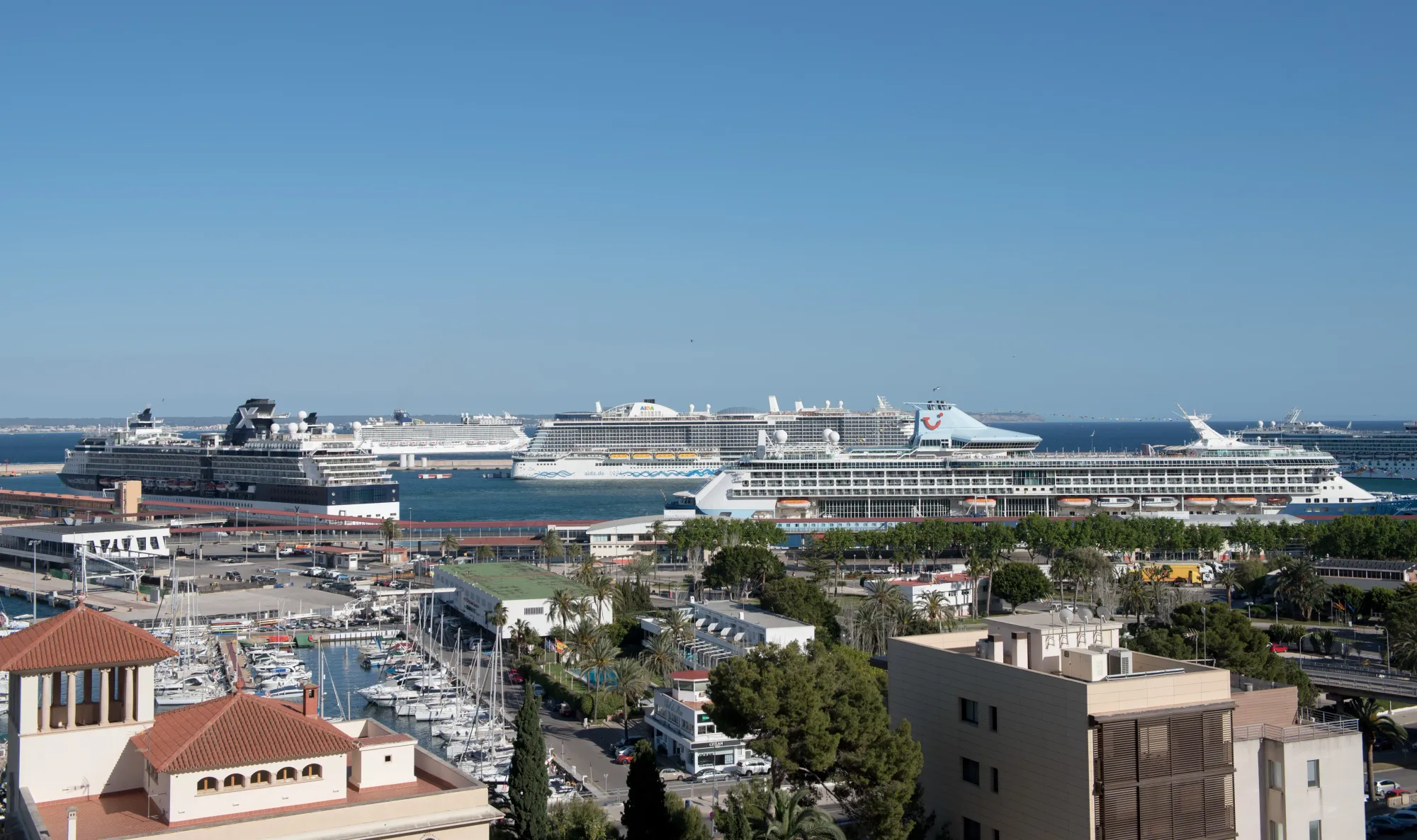
Palma is lowering its peak-summer cruise passenger threshold from 8,500 to a daily average of 7,500. That would mean about 30,000 fewer cruise visitors a month during the peak period, even as cruise traffic in the Balearics is already falling.
I support targeting the summer pressure. A declining annual passenger total does not tell you whether Palma is comfortable to visit, or live in, on a busy August day. The timing of those arrivals matters.
The memorandum, signed by Palma Town Hall, the Balearic Government and the Cruise Lines International Association (CLIA), also retains the existing maximum of three cruise ships a day in Mallorca’s capital. The tighter passenger threshold is the substantive change.
The 7,500 figure is a daily average, not a stated hard ceiling for every day. It tells us the intended scale of the reduction, but not how busy the busiest days will be.
CLIA’s director in Spain, Alfredo Serrano, described the arrangement as “voluntary self-regulation” and said it was “not yet possible to measure” the final impact on cruise operators.
The summer peak deserves its own argument
Palma’s 2024 figures show why annual totals are an incomplete guide. The port handled approximately 1.84 million cruise passengers, down 3.02% from about 1.897 million in 2023. Yet ship calls rose from 490 to 494. Counting ships alone does not reliably tell you how many passengers a port is receiving.
The seasonal difference was much more pronounced. August brought 259,007 cruise passengers, compared with 45,317 in February. Palma remained the Balearic Islands’ busiest cruise port that year.
More recent regional figures show a substantial decline. Balearic ports handled 547,318 cruise passengers between January and May 2026, down 26.2% from 741,372 in the same period a year earlier. That reduction preceded the peak summer period covered by the lower threshold.
Those numbers deserve attention, particularly from anyone presenting cruise growth as relentless. But a regional decline from January to May is not a convincing reason to leave Palma’s summer allowance untouched. Updated regional agreements also envisage further reductions in cruise berths between 2027 and 2029.
Cruise cannot carry the whole tourism response
Serrano’s broader objection is harder to dismiss. He said cruise activity in Palma had fallen between 15 and 16% compared with before the pandemic, while other tourism segments had continued to grow.
“If only one sector reduces its activity, residents will hardly perceive any decrease in tourist pressure,” he said.
Mallorca received nearly 2 million tourists in July 2026, while arrivals across the Balearic Islands reached 3.06 million. Those are tourism-wide figures, not cruise passenger counts, but they show the scale of the wider issue.
Serrano urged other tourism sectors to participate and argued that passengers coming ashore should be treated as tourists just as hotel guests are. He also defended their spending in restaurants, shops, transport and cultural activities, while acknowledging that a short port visit cannot be compared directly with several days in a hotel.
That is a reasonable distinction. Cruise passengers contribute to the economy, and limiting their numbers still involves a tradeoff. Neither point makes the summer threshold a bad decision.
Palma has secured a specific reduction from cruise lines. To turn that into a broader easing of tourist pressure, it needs other tourism sectors making commitments of their own.