Oslo Cruise Levy Could Double for Calls Lasting Beyond 24 Hours
The Port of Oslo recorded 331,241 cruise passengers in 2025, up about 26% year on year; first-quarter 2026 calls brought 73,051 passengers across 23 visits.
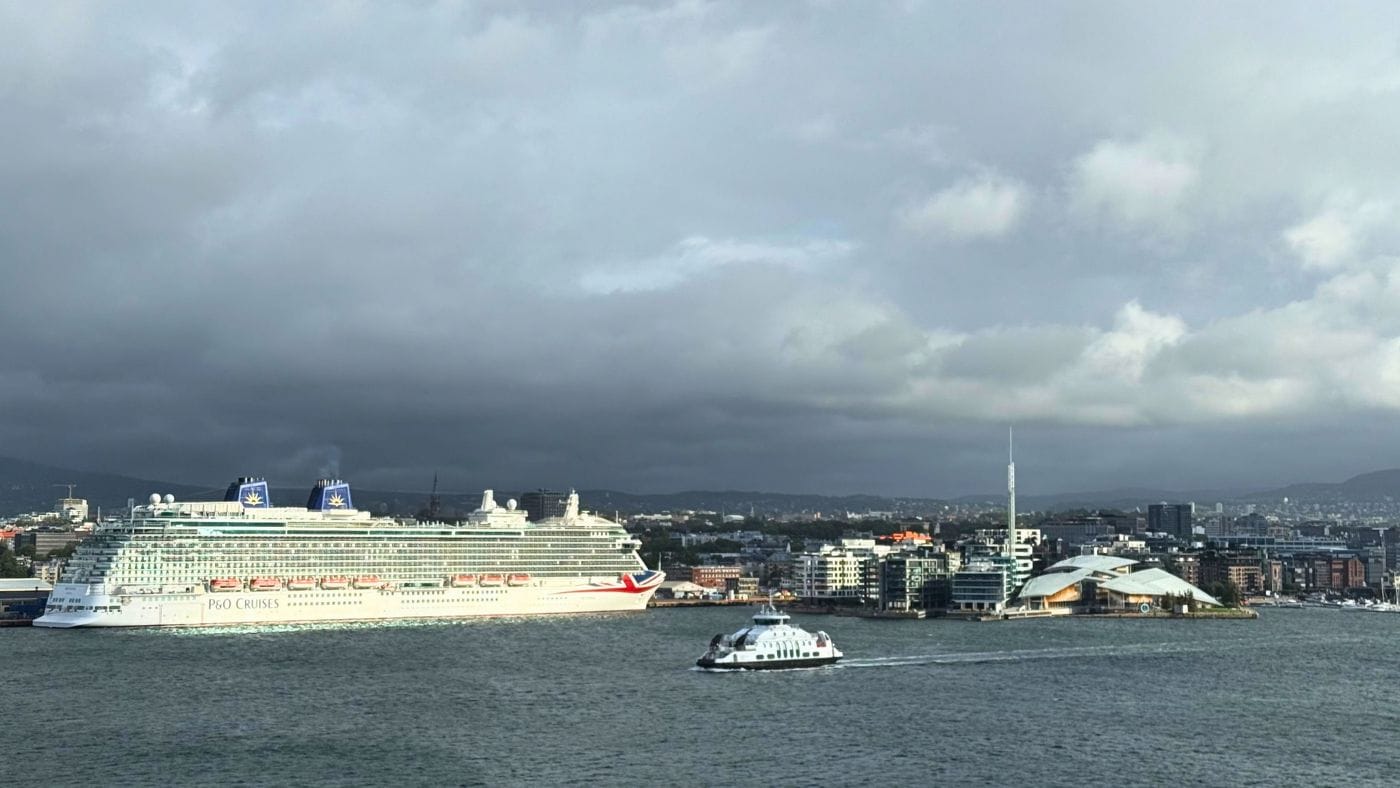
Oslo should rethink the 24-hour trigger in its proposed cruise levy
A cruise call lasting just over 24 hours could attract twice the passenger levy of a conventional daytime visit under the rules being developed in Norway. That is the awkward detail in Oslo’s plan to charge NOK 100 per cruise passenger. I support asking visitors to contribute to public facilities. Charging another full levy when a ship crosses that threshold is harder to defend.
Oslo’s city government wants to introduce the charge from 2027 and estimates annual revenue of about NOK 40 million. It is not yet an approved fee. Implementation depends on national cruise regulations that have not been finalized, along with the necessary local approvals.
Under the national proposal, the charge would apply for each commenced 24-hour period that a ship spends in port or puts passengers ashore within a municipality. Only municipalities able to demonstrate particularly heavy pressure from tourism would qualify.
Staying overnight would not automatically mean paying twice. A call contained within 24 hours would incur one charge per passenger, while a stay extending beyond that could trigger a second.
Longer visits can mean more use of local facilities. But a stepped charge is a blunt way to account for that. It makes the duration of a call financially relevant without necessarily reflecting a comparable change in the burden on public spaces.
The ship’s owner, operator and agent would be jointly responsible for paying the municipality. Passengers would not be asked to pay at the quayside. Whether the cost appeared in fares or passenger fees would be a commercial decision for each cruise company.
The case for funding toilets and cleaning is credible
Oslo has identified public toilets, cleaning, and maintenance of parks, paths and recreational areas as potential uses for the money. These are concrete services used by short-term visitors who do not stay overnight.
“We are getting more and more tourists in our city,” Marit Vea, Oslo’s environment and transport commissioner, told Avisa Oslo. She welcomed the growth but said it increased demand for facilities and wear on public spaces.
The proposed spending restrictions make the contribution more defensible. Revenue must support tourism-related public goods rather than unrestricted municipal spending. Municipalities must prepare a spending plan and justify the charge against the burden created by tourism. Government examples include infrastructure, public facilities and services where visitor demand substantially increases costs.
I would rather see a levy tied to those needs than one that simply disappears into the city budget. That requirement deserves to survive intact through the approval process.
Vestland county, which includes several of Norway’s busiest cruise destinations, supports municipalities’ ability to collect a cruise contribution but objects to the proposed maximum rate. It argues that the amount is too high and could encourage cruise lines to choose ports outside Norway. The national government calls the proposed rate moderate and says visitors should contribute to facilities facing additional demand.
Oslo still has to establish its case
The Port of Oslo recorded 331,241 cruise passengers in 2025, approximately 26% more than the previous year. Growth continued in the first quarter of 2026, with 73,051 passengers across 23 ship calls, compared with 41,156 passengers from 11 calls in the corresponding period of 2025.
Those increases help the city’s proposal. They do not remove the eligibility test, particularly since Oslo’s visitor volumes remain below those of Norway’s busiest fjord ports.
Norway’s Visitor Contribution Act, approved by parliament in 2025 and effective from July 1, 2026, provides the framework. Separate cruise regulations are being developed under it. The legislation also allows eligible municipalities to introduce an accommodation charge of up to 3% of the price excluding VAT from 2027, subject to local regulation and central-government approval. That is not an automatic nationwide tax.
Affected businesses must have an opportunity to comment before municipalities introduce visitor contributions. The government aims to allow cruise levy collection during the first half of 2027, but that timetable remains provisional.
That consultation should address the charging interval, not merely the headline rate. Asking cruise visitors to help pay for public toilets is reasonable. Making the twenty-fifth hour of a call cost another full day’s contribution needs a better justification.