Ocean Cay Nursery Corals Show 100% Survival in 2023 Heatwave
Launched in 2019, the Super Coral Reefs Program cultivates critically endangered elkhorn coral in open-water nurseries before transplanting fragments onto degraded reefs.
Ocean Cay’s Coral Survival Record Is Encouraging. The Global Reef Outlook Is Brutal.
The MSC Foundation recorded 100 percent survival among its nursery-grown corals during the 2023 marine heatwave at Ocean Cay. That is a result worth paying attention to. So is the much grimmer finding the foundation is now supporting: 96 percent of the world’s shallow-water coral reef ecosystems are critically endangered.
I give the foundation credit for backing that wider assessment. A successful coral nursery is useful evidence, but the global findings make clear how much work remains. The strongest case for Ocean Cay’s program is what it can help scientists learn and eventually apply elsewhere.
The assessment, released by the International Union for Conservation of Nature at the UN biodiversity conference, COP17, in Yerevan, Armenia, warns that nearly every shallow-water reef ecosystem evaluated faces an extremely high risk of collapse by 2075.
It is the first global coral reef assessment under the IUCN Red List of Ecosystems. More than 250 scientists and specialists contributed, covering reefs across more than 80 countries and territories and drawing on decades of observations and climate data. Despite the damage already sustained, the assessment warns that the greatest threats remain ahead.
“We invest in global coral reef science because understanding the scale of the threats is essential to protecting these ecosystems,” said Daniela Picco, executive director of the MSC Foundation, speaking from the conference.
What the Ocean Cay results can tell us
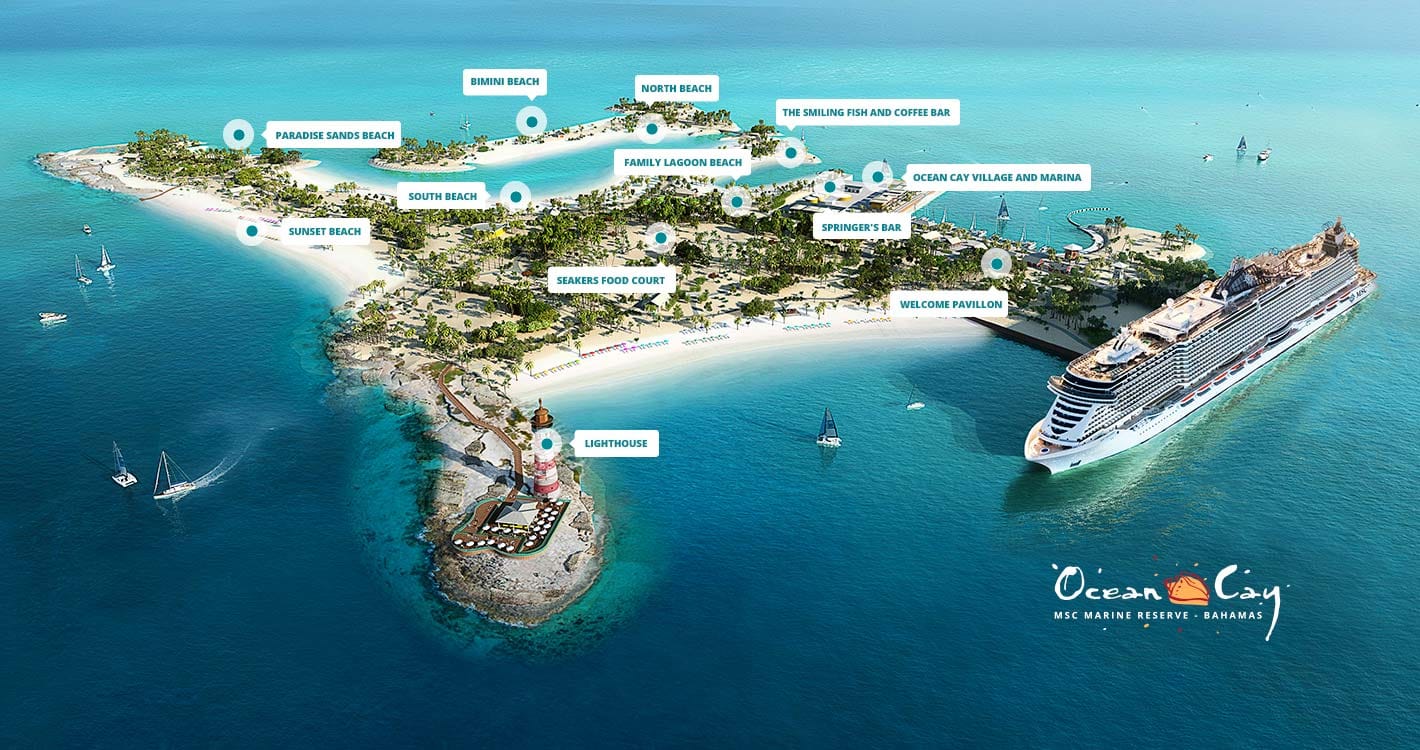
The foundation combines grantmaking for global conservation science with its Super Coral Reefs Program, launched in 2019 at Ocean Cay MSC Marine Reserve in The Bahamas. The program studies coral genotypes with greater tolerance to heat and other environmental stresses.
Working with the University of Miami, Nova Southeastern University and Bahamian authorities, it cultivates coral fragments in open-water nurseries before transplanting them onto degraded reefs. Researchers also study whether restoration improves ecosystem recovery and resilience.
That last part matters. Keeping nursery-grown corals alive through a heatwave is a valuable result. Establishing whether transplanted corals help a damaged reef recover is a further test.
The initiative principally propagates critically endangered Acropora palmata, commonly known as elkhorn coral. These fast-growing reef builders provide shelter and nursery habitat for marine life. The foundation continues to monitor the corals that survived the 2023 heatwave and takes protective measures against heat stress. So far, it reports encouraging signs of resilience.
The expansion worth watching
Ocean Cay’s Marine Conservation Center provides facilities for research, coral propagation and education, introducing cruise guests and other visitors to reef conservation. The wider program also supports graduate internships and research training.
I put more weight on the next stage of the scientific work. Having begun outplanting resilient corals, the foundation is increasing investment in research and scientific partnerships and plans to expand restoration. Its longer-term goal is to develop methods that can be adapted for other coral-reef regions.
That is the ambition worth holding it to. The program’s lasting contribution will depend on whether its research can help restore reefs beyond Ocean Cay, where the global assessment says the danger is already severe.