Norwegian Jewel Closes Cruise Era at Charleston’s Union Pier
The closing came earlier than expected after Vista’s planned July Fourth call was moved to Columbus Street Terminal to avoid America 250 activities at Waterfront Park.
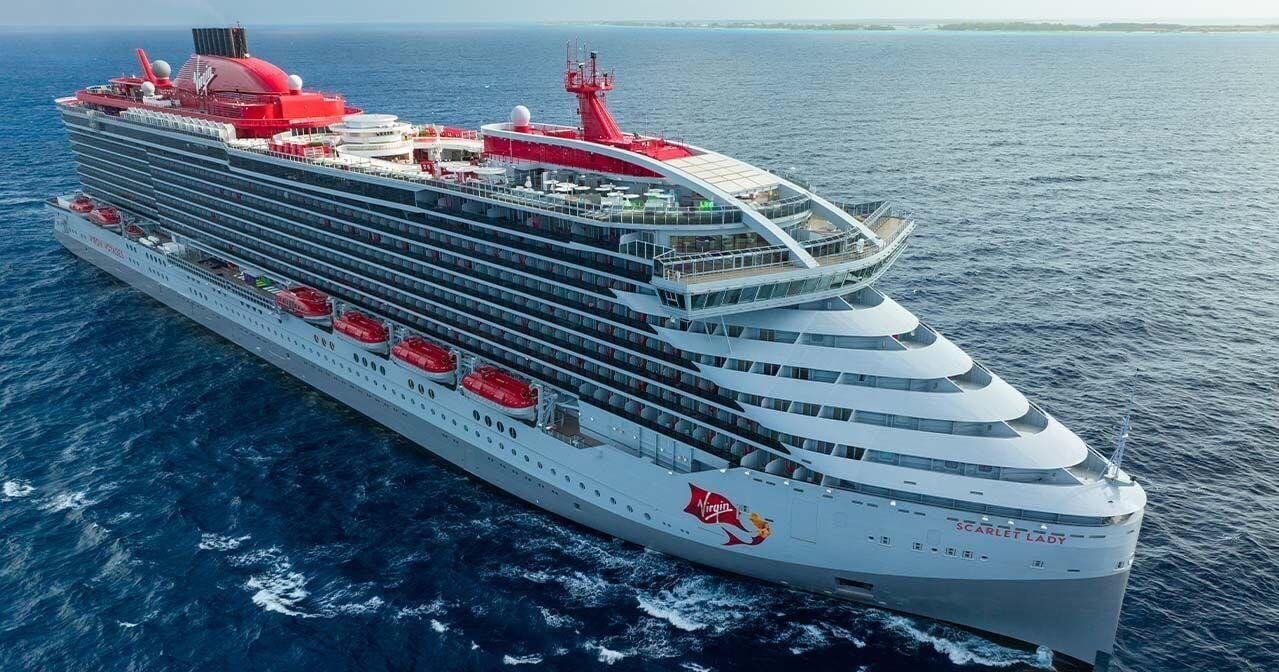
Norwegian Jewel made the final cruise call at Charleston’s Union Pier Terminal on June 30, ending cruise operations at the 65-acre Cooper River site ahead of redevelopment by Beemok, Ben Navarro’s family office. The closing came earlier than expected after Vista’s planned July 4 call was shifted to nearby Columbus Street Terminal to avoid conflicts with America 250 activities at Waterfront Park.
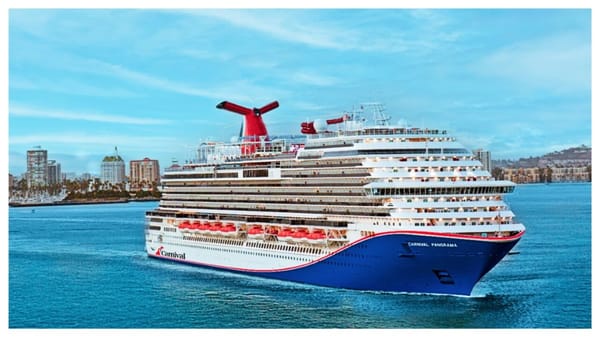
The departure fulfills one of Navarro’s earliest commitments after he announced his plan to acquire the property from the South Carolina State Ports Authority. For Charleston’s cruise business, it closes a downtown terminal era that included Carnival Cruise Line homeporting and years of local dispute over passenger-ship traffic.
“Trust is earned through action over time, and this is another step toward delivering on the commitments we’ve made to Charleston,” said Miller Harper, who leads the Union Pier effort for Beemok. Harper said Navarro’s plan will take a “thoughtful, incremental approach” that “puts Charleston residents first.”
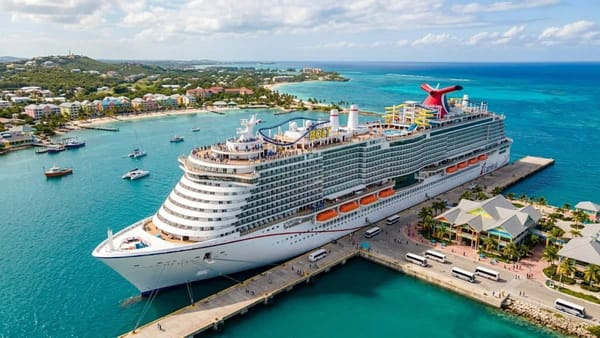
Norwegian Jewel’s final stop at the terminal lasted eight hours, giving passengers time ashore at City Market, museums and restaurants before the ship’s evening departure. The ship’s additional Union Pier calls in July and August have been replaced by Halifax, Nova Scotia, visits because of planned terminal work.
Redevelopment planning follows two years of outreach
Beemok’s Union Pier team has spent two years meeting with community members and studying the site through architecture, public space, transportation, stormwater resilience and historical research.
Charleston Mayor William Cogswell welcomed the change.
“Closing this chapter creates an extraordinary opportunity to shape Union Pier’s future,” Cogswell said. “By working together, the city and Beemok are building the foundation for a waterfront that improves our quality of life and celebrates our city’s character.”
Union Pier’s cruise era grew from a working waterfront
Union Pier’s role in maritime commerce long predates modern cruising. The waterfront was operating as Union Wharf by 1842, Charleston bought Union Pier and adjacent wharves in 1922, and SC Ports took control in 1942. As containerized cargo shifted to newer Cooper River facilities, Union Pier’s role moved toward cruise calls, with a dedicated cruise terminal opening in 1973.
Carnival Cruise Line homeported ships at Union Pier for 14 years beginning in 2010, operating mainly Charleston-Bahamas itineraries. Carnival Sunshine, the last of three Carnival ships based at the terminal, made the line’s final departure from Charleston on Jan. 4, 2025, after a five-day Bahamas cruise.
A 2010 College of Charleston study put cruise operations’ annual local economic contribution at $37 million, about $95 million in current dollars. Cruise calls also supported dockworkers who loaded food, beverage and other supplies and handled passenger baggage on each voyage.
The cruise terminal plan also drew litigation. Environmental and historic preservation groups sued SC Ports in 2012 to stop construction of a new cruise terminal at Union Pier; the case was dismissed in 2022 after the authority decided to sell the site for private development.
SC Ports shifts attention to cargo operations
Navarro agreed in 2024 to buy Union Pier from SC Ports in a $250 million deal, with the authority receiving funds for cargo operations and Beemok obtaining land for a project expected to include shops, residences and public space. Leaders from Beemok, the city and SC Ports are continuing to coordinate on the redevelopment.
“As Union Pier Terminal transitions from port operations, we greatly appreciate Beemok’s commitment to working with the community and the city of Charleston,” said Micah Mallace, SC Ports president and CEO. Mallace said the authority is focused on “growing our port business for all those who depend on us.”
Cogswell has pledged to seek community input as Charleston drafts tourism policies built around resident priorities, enforcement, city-owned data, more visitor activity outside the peninsula and new revenue sources.