Margaritaville at Sea Ships Earn Perfect 100 on CDC Inspections
With stomach-bug headlines still shaping traveler confidence, sanitation grades have become a real competitive edge. Margaritaville at Sea’s results put it in rare company.
Margaritaville at Sea said both ships in its two-vessel fleet recently earned perfect 100-point scores on unannounced sanitation inspections conducted under the Centers for Disease Control and Prevention’s Vessel Sanitation Program (VSP). The cruise line said Margaritaville at Sea Paradise and Margaritaville at Sea Islander each received a 100 on U.S. Public Health Service (USPH) inspections, a result that remains relatively rare across the industry.
In 2025, only 24 of 191 ships inspected under the CDC program scored a perfect 100, or about 13% of vessels inspected, according to CDC inspection results cited in industry reporting.
Margaritaville at Sea ties perfect scores to onboard execution
Margaritaville at Sea framed the twin 100 scores as evidence of consistent shipboard practices and operational processes tied to food safety and illness prevention. Anthony Stice, SVP, Hotel Operations of Margaritaville at Sea, said the inspections measure daily discipline behind the scenes.
“These inspections are a rigorous test of consistency and execution. Our guests expect a relaxed and seamless experience. That only happens when our teams deliver at a high level behind the scenes every day,” Stice said. “Achieving perfect scores on both ships is a strong validation of the culture and operational discipline we are building.”
The company also said it is continuing to strengthen operating standards and accountability systems across the organization.
How the CDC’s Vessel Sanitation Program works
The CDC’s Vessel Sanitation Program evaluates sanitation practices on passenger cruise ships that call on U.S. ports, using unannounced inspections designed to prevent and control public health risks, including gastrointestinal illness. Under the CDC scoring framework, a score of 86 or higher is considered satisfactory, while a score of 85 or lower is a failing result.
The program applies to cruise ships that meet the CDC’s criteria, including carrying at least 13 passengers, operating on international itineraries, and making U.S. port calls. Because eligibility is tied to U.S. port activity and program criteria, not every passenger vessel worldwide appears in the CDC’s inspection listings.
Inspections are conducted while ships are docked and are performed without advance notice. The CDC notes that the teams assigned and the timing can vary depending on ship size and port schedule; inspections often take several hours, and reporting has put typical inspection length in the six-to-eight-hour range depending on vessel size and any operational issues identified.
What inspectors evaluate onboard
VSP inspections focus on multiple operational areas tied to sanitation and illness prevention. Reporting on the program and CDC guidance highlight several core categories.
- Food safety practices and galley operations, including how food is handled and prepared to reduce contamination risk.
- Potable (drinking) water systems and related controls, which are reviewed to ensure water quality and safe distribution onboard.
- Housekeeping and sanitation in public areas, where cleaning routines and overall hygiene conditions are assessed.
- Medical center procedures relevant to public health standards, including protocols tied to illness response and reporting.
- Ventilation considerations covered by VSP guidelines, reviewed as part of broader controls that can affect onboard health conditions.
Perfect scores are uncommon, but several lines have stood out
While a perfect 100 is the highest possible score under the CDC’s system, a number of cruise lines and individual ships posted standout results in 2025 inspections. Viking Ocean Cruises tied for the top spot in a recent industry study with an average fleet score of 99 out of 100, and other highly rated lines included Crystal Cruises, Oceania Cruises, and Regent Seven Seas Cruises, as well as Virgin Voyages. Reporting has also noted that smaller fleets, such as those operated by Viking and Crystal Cruises, can be positioned to maintain consistent standards across fewer vessels.
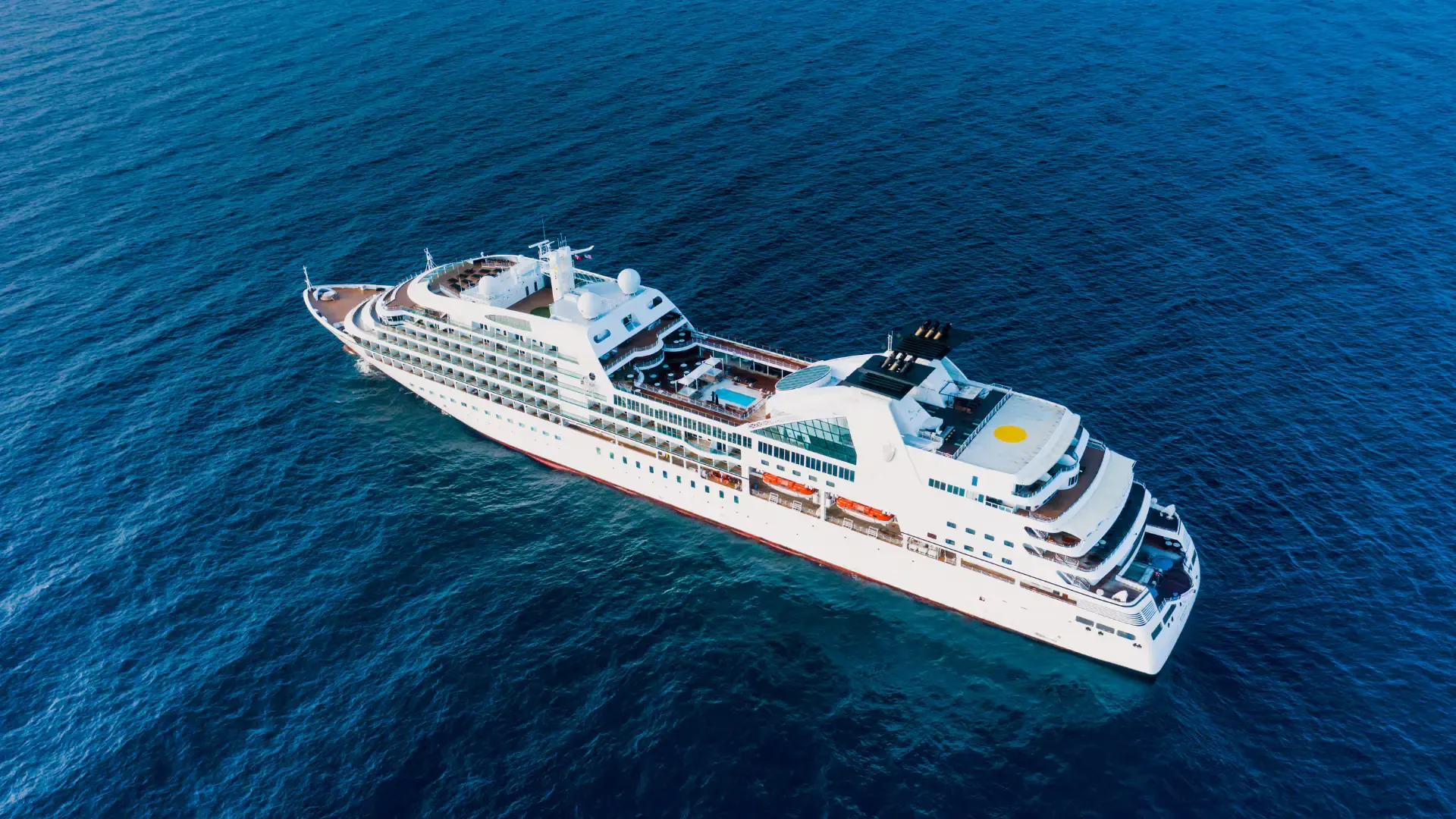
Among individual ships cited for top sanitation performance, Seabourn Encore, Oceania Vista, and Seven Seas Grandeur achieved perfect 100 scores on recent inspections. Oceania Vista was also reported to have maintained an unbroken streak of perfect scores since its debut in 2023. Margaritaville at Sea’s results drew attention for covering both ships in its fleet, with Paradise and Islander each recording a perfect score on their most recent inspections.
When inspections reveal problems, and what outbreak data shows
Not every vessel meets the CDC’s minimum standards during an inspection. The Villa Vie Odyssey received a score below 85, with reported issues including food safety, water quality, pest control, and pool sanitation.
Inspection scores are also not a guarantee that outbreaks will not occur. The CDC reported 23 outbreaks of gastrointestinal illnesses on cruise ships in 2025, including cases involving norovirus and E. coli, up from 18 in 2024. Separately, the CDC tracks and publishes information tied to gastrointestinal illness activity when certain thresholds are met; cruise lines are required to report gastrointestinal illness levels to the CDC once a specified percentage of passengers or crew report symptoms, and a higher threshold meets the CDC’s definition of an outbreak for posting purposes.
Early 2026 showed fewer reported outbreaks
In early 2026, outbreak counts declined compared with the same period a year earlier. Only one outbreak was reported between January and February of 2026, compared with eight during the same period in 2025, according to CDC-reported figures cited in industry reporting. Public health experts attributed the improvement to increased awareness, stricter sanitation protocols, and passenger adherence to basic hygiene practices such as frequent handwashing.
The CDC continues to work with the cruise industry on disease control and best practices, and it recommends that cruisers wash their hands frequently, stay hydrated, and get sufficient rest. As demand continues to rebound, travelers can also use publicly available CDC scorecards as one data point when evaluating ships and itineraries.
Frequently Asked Questions (FAQs)
What is the CDC's Vessel Sanitation Program?
The Vessel Sanitation Program (VSP) is a public health initiative by the Centers for Disease Control and Prevention that evaluates and monitors health and hygiene conditions on passenger ships calling at U.S. ports through unannounced inspections intended to help prevent and manage illness risks.
Are CDC Vessel Sanitation Program inspections announced in advance?
No. VSP inspections are conducted without prior notice when a ship is in port.
What VSP score is considered passing, and what score fails?
The CDC considers 86 or higher satisfactory. A score of 85 or lower is a failing score under the VSP scoring system.
Do all cruise ships fall under the CDC’s Vessel Sanitation Program?
No. VSP jurisdiction applies to ships that meet the CDC’s criteria, including carrying 13 or more passengers and sailing on an international itinerary that includes U.S. port calls.
How can passengers minimize their risk of getting sick while cruising?
The CDC recommends steps such as washing hands frequently, staying hydrated, and getting enough sleep. Following onboard hygiene guidance can also help reduce health risks during a cruise.