Lerwick Dredging Opens Mair’s Pier to Larger Cruise Ships
Specialist contractor Boskalis Westminster removed nearly one million tonnes of seabed, using explosives to break underwater rock before disposal offshore.
Lerwick’s Deeper Berths Matter More Than Its Record Call Count
Larger cruise ships visiting Lerwick have generally had to anchor offshore and tender passengers ashore. A £25 million dredging project completed in October now gives the harbour more scope to bring them alongside. I’d put that practical improvement ahead of another record for ship visits.
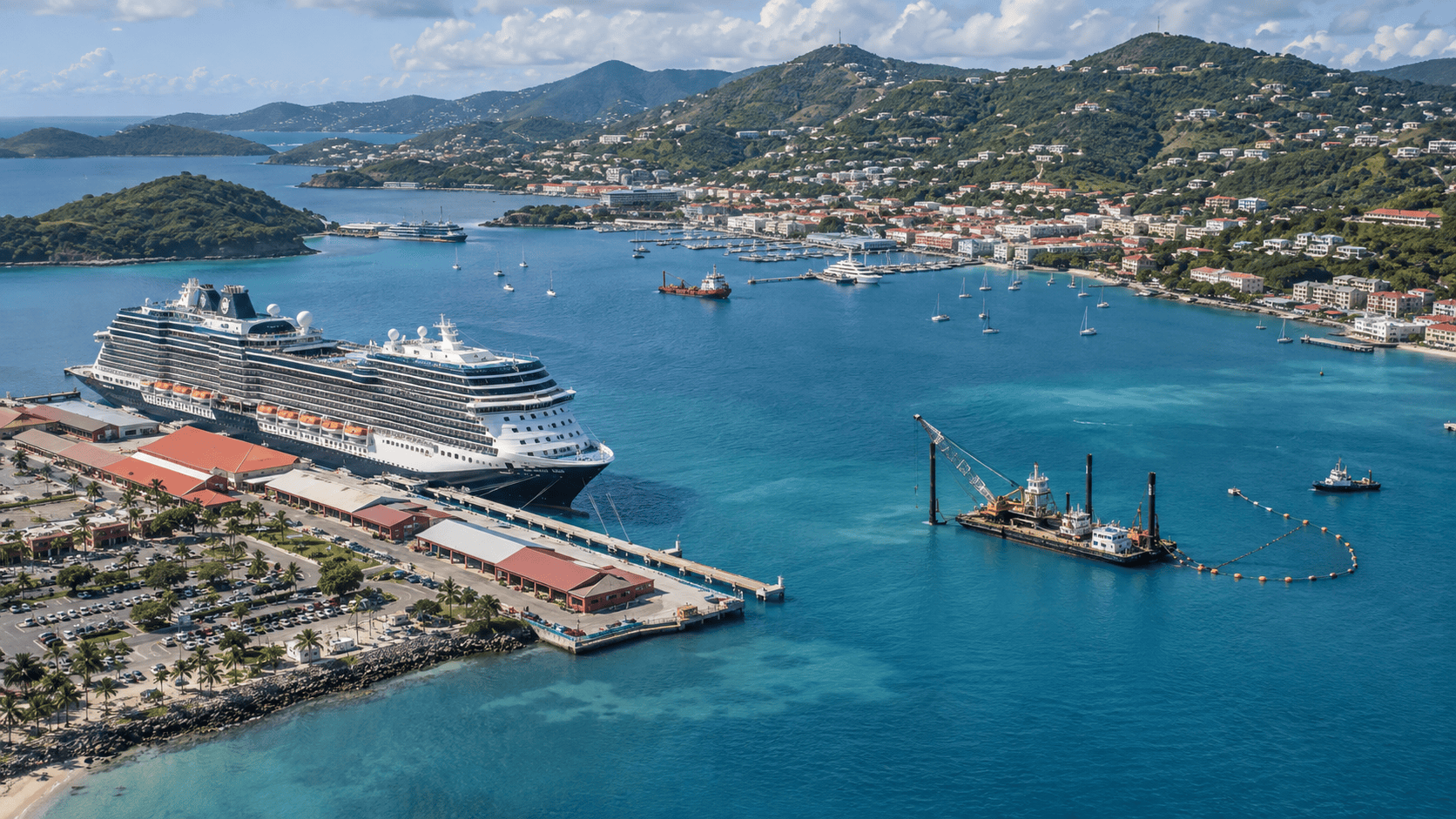
The work has improved access to Mair’s Pier through the North Ness Channel and central basin, with consistent water depths of 10 metres alongside the 275-metre quay. For cruise lines planning a call, that means more berthing options. For Lerwick, it addresses a physical constraint rather than simply adding another arrival to the calendar.
The distinction matters after a season in which more calls did not mean more passengers. Lerwick handled a record 137 cruise ship calls between April and October 2026, bringing 122,164 passengers to Shetland. In 2025, 127 ships carried more than 129,972 visitors. The 2024 season brought 138,537 passengers across 134 calls.
That does not make the latest season a disappointment. It does make the call record a poor shorthand for growth in visitor numbers.
More options alongside, not an end to tendering
Lerwick has traditionally accommodated ships up to roughly 230 metres long alongside. Larger vessels generally anchor offshore, with passengers using dedicated tender landing pontoons beside the town centre. Those facilities include a welcome pavilion, passenger assembly space and excursion pick-up and drop-off areas.
The dredging creates opportunities for larger vessels to berth, but it is not a promise that every big ship can now come alongside. The port authority expects the deeper access to strengthen its ability to accommodate bigger cruise vessels from the 2027 season.
Specialist contractor Boskalis Westminster removed nearly a million tonnes of seabed, using explosives to break underwater rock. All excavated material went to an offshore disposal site.
Captain Calum Grains, chief executive of Lerwick Port Authority, called it the authority’s “single biggest project” to date. He said environmental considerations had made the operation challenging and that specialist equipment was used to limit its impact.
The investment also supports fishing, aquaculture and energy activity. This is a shared harbour improvement, not a £25 million project whose entire justification rests on cruise traffic.
A busy season, with benefits still to build
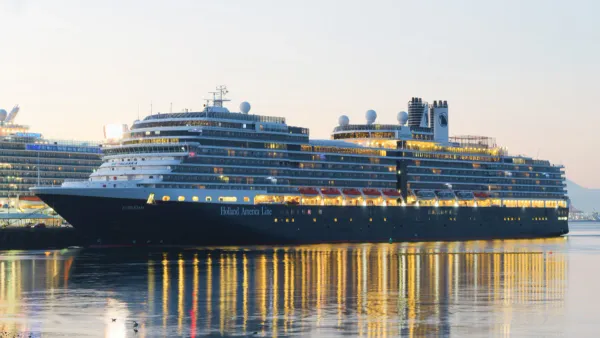
Holland America Line’s Nieuw Statendam closed the season on 29 October with 2,596 passengers, following the cancellation of the last scheduled call. Aggregate cruise ship tonnage for the season reached 5.7 million gross tonnes. The programme also included inaugural visits by Ritz-Carlton Yacht Collection and SeaDream Yacht Club.
Melanie Henderson, the port authority’s cruise and marketing manager, credited local transport providers, excursion operators, attractions, retailers and hospitality businesses with helping deliver the visitor experience. She also called for wider participation across the local supply chain to increase cruise tourism’s economic benefits for Shetland.
Better access gives the harbour more options, but the benefits ashore still depend on local businesses being involved.
Lerwick has cruise bookings extending to 2035. Its preliminary 2027 programme indicates around 135 arrivals, subject to itinerary changes, with the full schedule due at the start of the year.
That would be slightly fewer calls than in 2026. I would not regard that as a backward step. The more revealing result will be which larger ships can tie up at Mair’s Pier that previously had to anchor offshore.