Ketchikan to Review Five-Year CLIA Cruise Port Pact May 7
The draft follows more than a year of talks and eleven versions, with Laurie Booyse saying it draws on Juneau’s CLIA pact after an expensive legal fight.
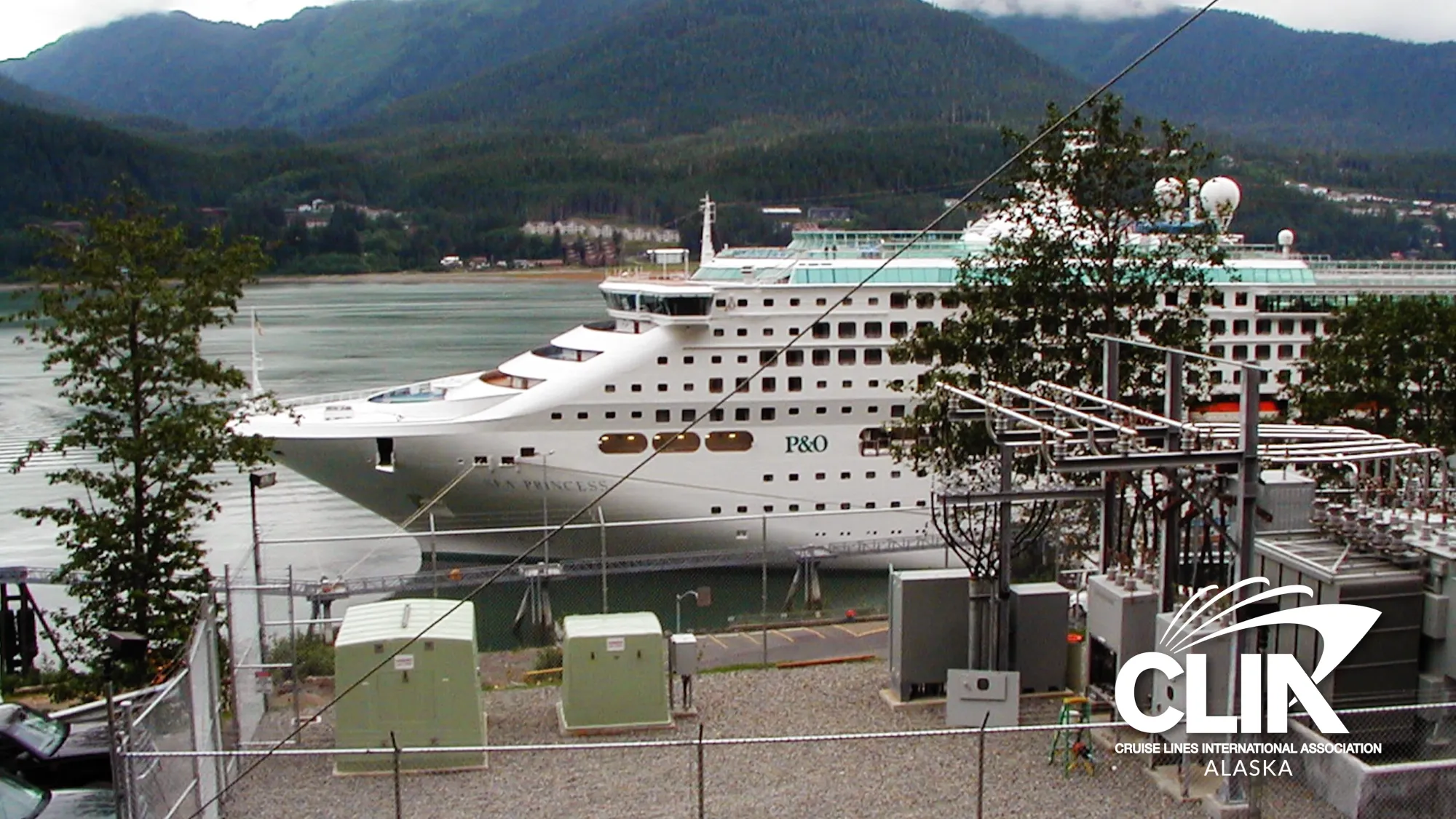
Ketchikan city staff and the Cruise Lines International Association are preparing to put a five-year memorandum of agreement before local officials on May 7 after more than a year of negotiations and 11 draft versions. The proposed agreement would set operating ground rules for the Alaska cruise port, including at least 18 months’ notice for port and wharfage fee increases, regular city-industry meetings and a process for resolving disputes before legal action.
The agreement comes as City Council members are pressing cruise lines to contribute more toward infrastructure, utilities and environmental costs in a community that has handled more than 1 million cruise passengers in recent years. Ketchikan tourism manager Laurie Booyse said the document is based on Juneau’s agreement with CLIA, which followed an expensive legal fight that Ketchikan wants to avoid.
Fee notice and dispute process anchor the draft
Booyse said city staff and CLIA appear to have reached consensus after multiple legal reviews. The document, now a little more than five pages, is about half the length of an earlier version.
“It’s just about a way for everyone to say, here are the rules that we are all going to abide by, and now let’s move forward together,” Booyse said.
The proposed agreement would run for an initial five-year term with an automatic five-year renewal. It also states that the agreement would not limit the council’s authority to govern or make final decisions on fees.
“When you are creating an agreement that is going to be the basis for your relationship, you certainly don’t want to rush it,” Booyse said.
Council members press cruise lines on local costs
The discussion took place during a biannual meeting between the city, cruise line representatives and CLIA staff, a format that began last year and is scheduled for spring and fall. CLIA lists 59 cruise line members and says its member lines account for more than 95% of global cruise capacity.
Council member Jai Mahtani said cruise companies should provide more financial support as Ketchikan manages congestion, infrastructure strain and environmental concerns tied to seasonal visitation. Cruise lines already pay a local head tax and Alaska’s commercial passenger vessel tax, which supports port improvements and related infrastructure in port communities.
Alaska’s commercial passenger vessel tax is set at $34.50 per passenger per voyage. Under the state distribution system, the first seven Alaska ports of call receive $5 per taxable passenger per call, with revenue available for port facilities, harbor infrastructure and related services.
Mahtani suggested increasing the head tax or having cruise passengers contribute to city utilities such as water and sewer. “We do not want to get to a point where we are congested and the visitor experience is horrible,” he said.
Council member Riley Gass also urged a larger cruise-line contribution. Ketchikan has recently approved multiple utility rate increases, and rates are expected to rise more than 40% over the next five years.
“In order for this whole thing to work, we have to have a strong community year round that people can afford and want to stay in,” Gass said.
Environmental questions remain part of the talks
Council member Abby Bradberry raised concerns about cruise-ship water pollution in Ketchikan waters. CLIA’s Lanie Downs told council members that member lines follow strong environmental policies.
Alaska regulates cruise-ship wastewater through state and federal permit systems. Untreated sewage is prohibited in Alaska waters. Treated sewage or graywater discharges from large commercial passenger vessels are allowed only under applicable permit conditions. Discharges within three nautical miles of shore fall under Alaska’s state regulatory waters, while discharges farther offshore may require federal Environmental Protection Agency authorization depending on location.
A cruise rate study using published industry data listed 651 cruise ship calls in Ketchikan in 2023, and Alaska tourism data placed the city among the state’s three cruise ports above 1 million passengers in 2024.
If local officials approve the agreement, the city and CLIA will continue the twice-yearly meetings that began last year. The next regular session is expected in the fall, after Ketchikan has moved through another peak Alaska cruise season.