Hurtigruten Features Seaweed in 60 Onboard Dishes and Drinks
By turning a coastal staple into a culinary signature, Hurtigruten is leaning into place-based dining as cruise lines compete on sustainability and regional authenticity.
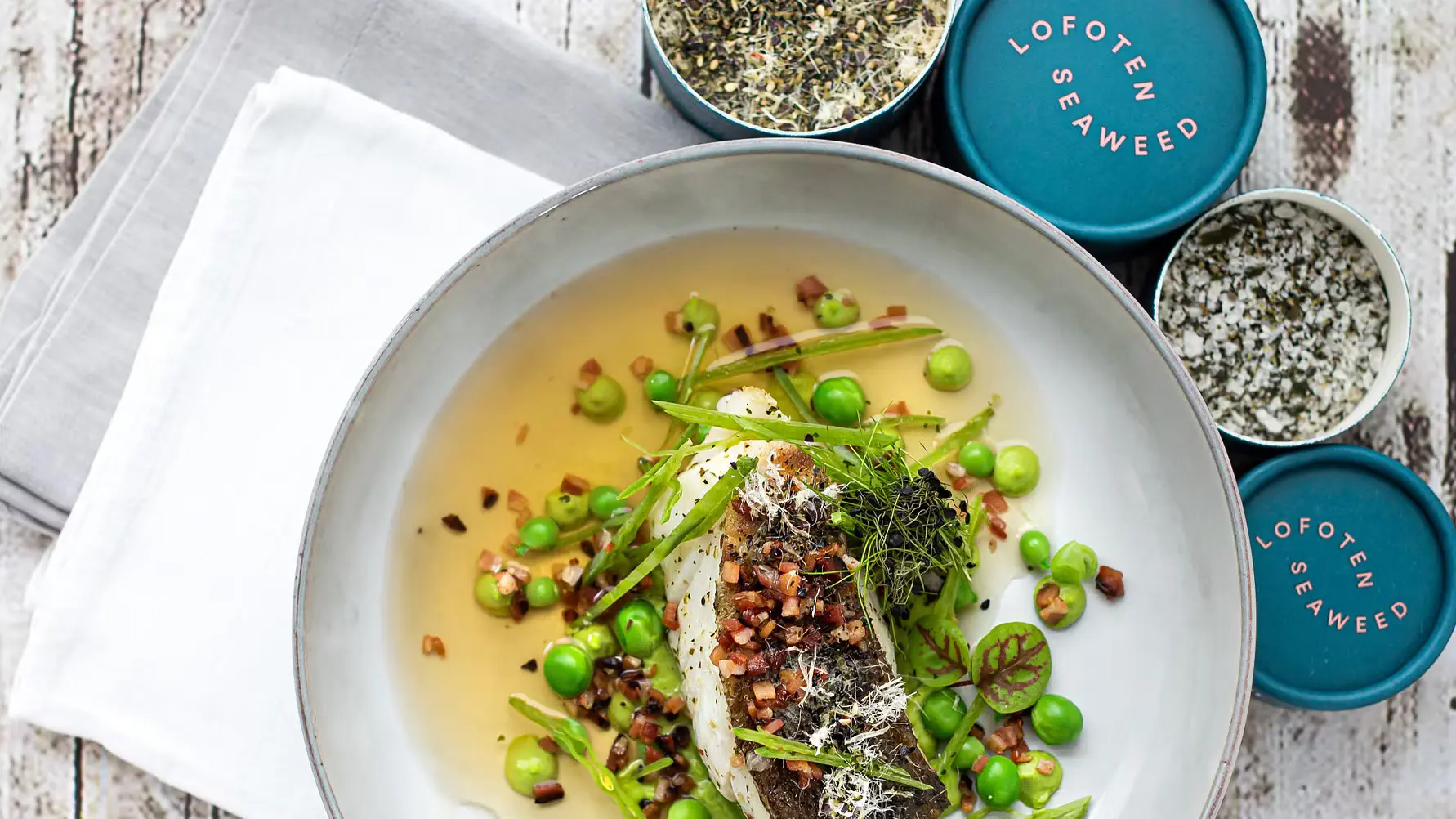
Hurtigruten said seaweed now appears in about 60 onboard dishes, or roughly 20 percent of its meals, as the Norwegian coastal operator uses the ingredient across restaurants, drinks and guest amenities. The company has tied the ingredient to Norway's Coastal Kitchen, its food-and-beverage program built around fresh and sustainable produce on coastal and Signature sailings.
The scope extends beyond a single seasonal menu. Seaweed turns up in soups, pasta, butter, seasonings and bread, while the beverage program includes seaweed gin, lager, cocktails and tea.
Seaweed appears throughout dining venues
Andre Pettersen, Hurtigruten's chief product and hotel officer, said seaweed has become "flavorful, versatile, and deeply connected to the coastline we sail every day." He said using marine ingredients allows the line to present "a highly sustainable resource with a low environmental impact" in formats ranging from fine dining and cocktails to tea, bread and onboard amenities.
Kysten, the fine-dining venue on Hurtigruten's original Coastal Express itineraries, has built its menu around seaweed, with every dish including it. Examples include truffle seaweed paired with raw shrimp and sea urchin, butter-fried snow crab, and aquavit-marinated cloudberries with Arctic ice cream.
On Signature ships, seaweed caviar is served in the fine-dining restaurant. Røst, the fine-dining restaurant on the Signature vessels, also offers seaweed tea as part of afternoon tea service.
Supplier links reach into coastal communities
Seaweed bread, introduced in 2024, is made with freshly harvested sugar kelp from Lyngen Seaweed, a company Hurtigruten partly owns. The line also works with Lofoten Seaweed, and guests on its Culinary Voyage itineraries visit that company as part of the program.
Norway's Coastal Kitchen launched more than a decade ago and draws on about 70 local producers along Hurtigruten's coastal itineraries, including farms, fisheries, bakeries, cheesemakers, butchers and breweries. The core coastal route is a year-round Bergen-Kirkenes service carrying ferry and cruise traffic, with 34 northbound port calls, 33 southbound calls and 11- to 12-night roundtrips.
Beverage program adds gin and lager
Hurtigruten's seaweed gin uses seaweed harvested from the Hurtigruten Seaweed Farm and is produced in collaboration with Bivrost. The line's bartenders also use the gin in cocktails.
Next up is a seaweed lager developed with Bådin brewery. Brewed with seaweed harvested from nearby coastal areas, the beer is described by the company as having mineral notes and a subtle umami character.