Experts Reassure New Orleans Cruise Travelers on Hantavirus Risk
United States officials said forty-one people were being monitored in mid-May, with no confirmed domestic cases tied to the Oceanwide Expeditions voyage.
Updated May 29, 2026
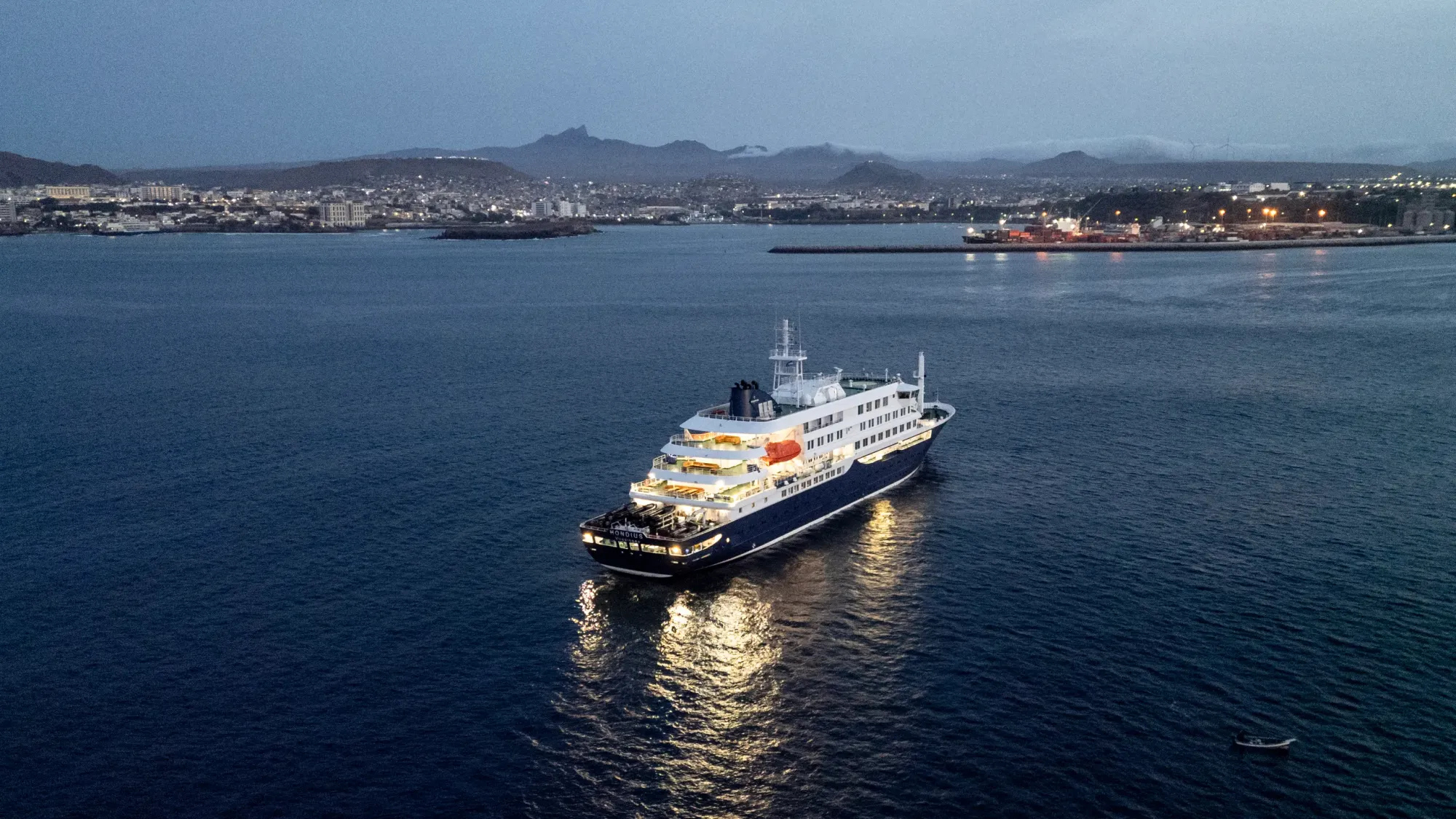
Most passengers from the MV Hondius have left the vessel and returned home after a rare Andes virus hantavirus outbreak linked to the Oceanwide Expeditions cruise ship. U.S. health officials continue to monitor exposed travelers, with no confirmed U.S. cases reported.
Oceanwide Expeditions said 87 guests and 35 crew members had disembarked and returned home, and the Hondius was en route to the Netherlands with 25 crew members and two medical professionals on board. In the United States, more than 40 people were being monitored. Eighteen U.S.-based evacuees arrived in Omaha, with 16 isolating at Nebraska's National Quarantine Unit and two receiving biocontainment care in Atlanta.
The outbreak has been tied to a Hondius voyage that departed Ushuaia, Argentina, on April 1. Health authorities have reported 11 confirmed or suspected cases, including nine confirmed hantavirus cases and three deaths. The CDC issued a Health Alert Network advisory on the cluster and sent a team to meet the ship in the Canary Islands, while saying the risk of broad spread to the United States is considered extremely unlikely at this time.
Hondius passengers have disembarked as monitoring continues
The Dutch-flagged Hondius crossed the South Atlantic after leaving Argentina, stopping at remote locations that included Antarctica, South Georgia Island, Tristan da Cunha, Saint Helena and Ascension Island. The CDC said the ship carried 147 people, including 86 passengers and 61 crew members, from 23 countries. Investigators are still assessing exposure risk, including possible wildlife contact before or during the expedition.
Oceanwide Expeditions CEO Remi Bouysset said the company had been working with the WHO, the Dutch National Institute for Public Health and the Environment and other medical and diplomatic authorities. "From the beginning, our priority was to support those affected," Bouysset said.
WHO Director-General Dr. Tedros Adhanom Ghebreyesus said there was "no sign we are seeing the start of a larger outbreak," while cautioning that additional cases could appear. Health officials may continue daily symptom checks for up to 42 days after possible Andes virus exposure.
New Orleans cruise travelers advised to use routine precautions
For travelers booked on New Orleans cruise departures, health experts continue to advise routine precautions rather than canceling plans over the Hondius outbreak. "There's only been about 900 cases since we've been tracking it since 1993, so not necessary to cancel any future plans," said Dr. Courtney Washington.
Washington said travelers should still take basic health precautions onboard, especially because enclosed ship spaces can accelerate the spread of respiratory illnesses. Health experts cited ventilation, handwashing and monitoring for severe flu-like symptoms as practical steps for passengers.
Carnival and Norwegian were among the cruise lines operating in New Orleans that were described as adding safety measures, including social distancing and capacity reductions in public spaces. Royal Caribbean's passenger FAQ says guests and crew members who become ill during a sailing can be evaluated by ship medical staff through in-stateroom visits or video tele-consultations, with testing available in the onboard medical lab.
What CDC says about Andes virus
Hantaviruses are most commonly transmitted to people through contact with infected rodents, including exposure to urine, droppings or saliva. The CDC said Andes virus is the only type of hantavirus documented to spread from person to person, but that spread is rare and has typically required close, prolonged contact with a symptomatic person.
Symptoms of hantavirus pulmonary syndrome caused by Andes virus usually appear within four to 42 days after exposure. Early signs can include fever, fatigue, muscle aches, headache, nausea, vomiting, diarrhea and abdominal pain. Later symptoms can include coughing, shortness of breath and chest tightness. The CDC said no specific treatment is recommended for hantavirus infection, which makes early supportive care critical.
"If you're going on a plane or a cruise this summer, I would say your risk of getting hantavirus is very close to zero," said Dr. Jorge Salinas, medical director of infection prevention at Stanford Health Care.
U.S. monitoring expands with no confirmed domestic cases
CDC data lists 890 laboratory-confirmed hantavirus cases in the United States from 1993 through 2023. CDC data cited for Louisiana lists eight hantavirus cases since 1993, with the most recent reported in 2023. Texas health officials had confirmed that two residents were passengers possibly exposed in connection with the Hondius outbreak, and U.S. monitoring has since expanded beyond those cases.
The CDC advisory urged clinicians and health departments to watch for imported cases in people with compatible symptoms and relevant exposure history within 42 days before symptom onset. The advisory also included testing and biosafety guidance for public health departments, clinical laboratories and healthcare workers.
Cruise illness controls remain focused on sanitation and surveillance
The CDC's Vessel Sanitation Program applies to cruise ships under U.S. jurisdiction. It focuses largely on ship sanitation, inspections, design-plan reviews and gastrointestinal illness surveillance.
Cruise outbreaks still occur periodically. CDC data cited by infectious-disease specialists recorded 23 cruise ship outbreaks in 2025, with norovirus identified in 18 of them. The Hondius cluster is unusual because hantavirus is normally associated with rodent exposure rather than the routine respiratory and gastrointestinal illnesses that ships more commonly manage in close quarters.