CDC Probes Illness Outbreak on Seven Seas Mariner After 27 Sick
The case adds to a run of early-season cruise illness reports, underscoring how quickly onboard stomach bugs can spread and draw federal health scrutiny.
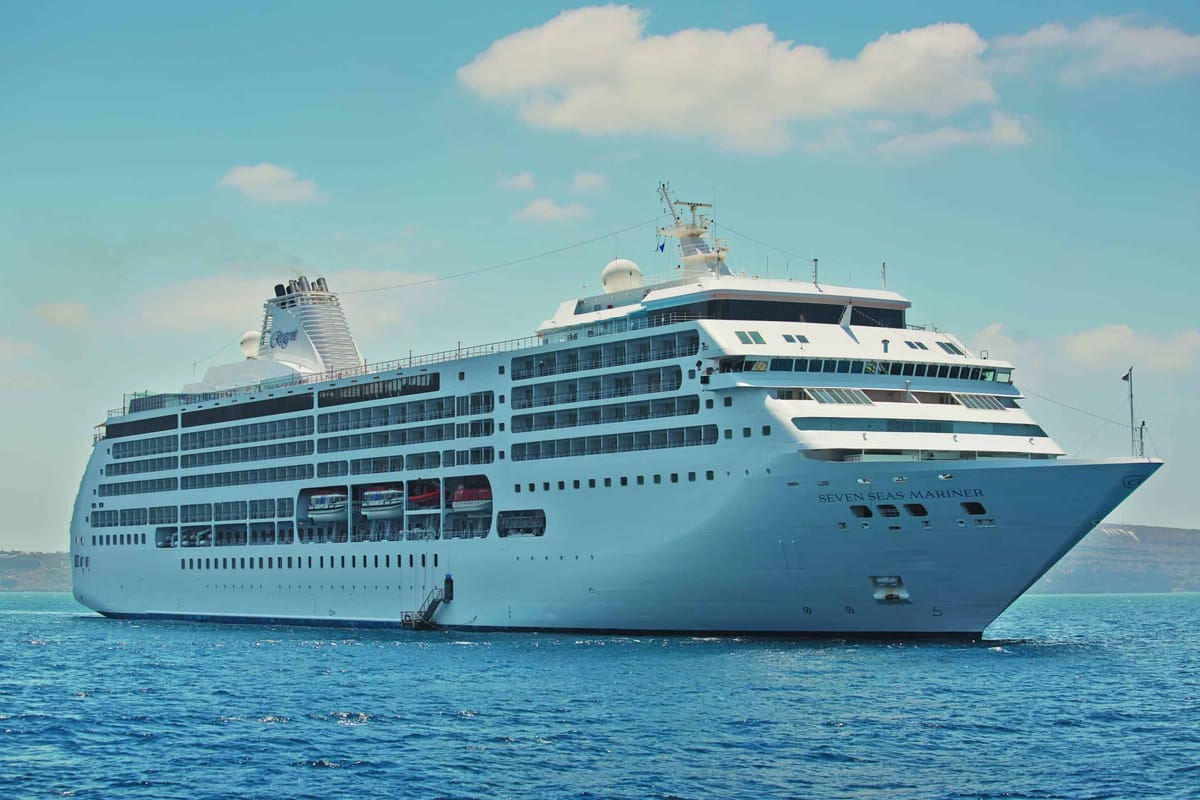
U.S. health officials are investigating a gastrointestinal illness outbreak reported aboard Regent Seven Seas Cruises’ Seven Seas Mariner after 27 people fell ill during a voyage from Miami to Honolulu, according to the Centers for Disease Control and Prevention. The CDC lists the cause as unknown while laboratory testing remains pending.
What the CDC reported about the cases
The CDC said 21 passengers reported symptoms during the sailing, out of 631 guests on board, along with six crew members out of a crew of 458. Diarrhea was identified as the primary symptom.
Based on the CDC’s reported counts, about 3.3% of passengers and about 1.3% of crew were affected. The passenger percentage meets the agency’s public-notification threshold used by its Vessel Sanitation Program for gastrointestinal illness reports.
Itinerary details and when illnesses were reported
The sailing ran from Jan. 11 through Feb. 1, 2026, as part of a repositioning cruise across the Pacific. The ship departed Miami, transited the Panama Canal, and included calls in destinations in Central America and Mexico, including stops in Costa Rica and Guatemala, before arriving in Honolulu.
Because the voyage stretched across multiple weeks, the case count reflects illnesses reported over the full sailing rather than a single-day spike.
After arriving in Honolulu, the ship continued its 154-night world cruise itinerary, which includes destinations across French Polynesia, New Zealand, Australia, and Asia. The CDC reporting can also reflect the way longer itineraries are sailed in segments, with passengers embarking for specific portions of a longer journey.
Onboard response and the cruise line’s statement
The CDC said the line implemented enhanced cleaning and disinfection procedures and isolated passengers and crew who reported symptoms to help reduce the likelihood of further spread.
In an emailed statement provided to USA TODAY, Regent said, “At Regent Seven Seas Cruises, the health and safety of our guests, crew, and the destinations we visit is our number one priority.” The cruise line added that a “small percentage” of guests experienced stomach flu-like symptoms and were treated.
Regent also said, “In an abundance of caution, additional cleaning operations - developed in accordance with CDC guidelines, on top of our standard rigorous protocols - took place prior to the commencement of the ship’s next voyage.”
What investigators have and have not confirmed
The CDC has not identified a specific pathogen tied to the illnesses. Stool samples were collected from some affected passengers, and the agency said lab results were still pending.
Public health officials have noted that identifying a cause can take time, particularly when an illness commonly associated with cruising is suspected but has not been confirmed through testing.
How cruise ship outbreaks are tracked and when they are posted
The CDC’s Vessel Sanitation Program monitors gastrointestinal illness on ships that call on U.S. ports and posts outbreaks publicly once they reach specific reporting thresholds. For cruises covered by the program, an outbreak is generally posted when at least 3% of passengers or crew report symptoms, and the CDC requires cruise lines to notify the agency within 24 hours when reportable levels are reached.
The CDC has continued to emphasize frequent handwashing as a key prevention step for passengers and crew.
Broader context: norovirus and recent cruise illness activity
Norovirus is often associated with gastrointestinal illness outbreaks on cruise ships, though the CDC notes that a cause is not always immediately confirmed by laboratory testing. Experts also caution that cruise ship outbreaks represent a small portion of overall outbreak activity; the CDC has cited that cruise ship outbreaks account for about 1% of reported gastrointestinal outbreaks globally.
Sarah R. Michaels, an assistant professor at Tulane University’s Celia Scott Weatherhead School of Public Health and Tropical Medicine, previously told USA TODAY that outbreaks can be more visible in settings where people are in close contact and where cases are more likely to be documented and formally reported.
In 2025, the CDC recorded 23 cruise ship outbreaks, including 17 attributed to norovirus. The year before, norovirus was identified as the cause in 15 of 18 outbreaks tracked. The Seven Seas Mariner investigation is among the first gastrointestinal illness outbreaks posted publicly by the CDC in early 2026; another early posting involved Holland America Line, where norovirus was confirmed during a voyage spanning late December into early January and sickened nearly 90 passengers and crew members.
Frequently Asked Questions (FAQs)
How many people were sick on Seven Seas Mariner during the Miami-to-Honolulu voyage?
The CDC reported 27 total cases: 21 passengers out of 631 guests and six crew members out of 458 crew.
Why was this outbreak posted publicly by the CDC?
The CDC’s Vessel Sanitation Program generally posts outbreaks when at least 3% of passengers or crew report gastrointestinal symptoms during a voyage. The CDC’s reported passenger illness rate for this sailing was about 3.3%.
Has the cause of the outbreak been identified?
No. The CDC lists the cause as unknown, and laboratory testing was still pending on stool samples collected from some affected passengers.
What steps were taken onboard to limit the spread?
The CDC said the ship increased cleaning and disinfection and isolated passengers and crew who reported symptoms. Regent said additional cleaning operations, developed in accordance with CDC guidelines, took place before the next voyage.
What does the CDC recommend passengers do to reduce the risk of gastrointestinal illness while cruising?
The CDC has emphasized frequent handwashing as a key prevention step, particularly before eating and after using the restroom.
The CDC investigation remains open while lab work is completed, and testing results may clarify whether a specific virus or another agent was responsible for the illnesses reported during the sailing.