CDC Lists Cruise GI Outbreaks at 3% Illness Rate
For covered ships, the Centers for Disease Control and Prevention publicly lists gastrointestinal outbreaks only when illness reaches three percent of passengers or crew, assessed separately.
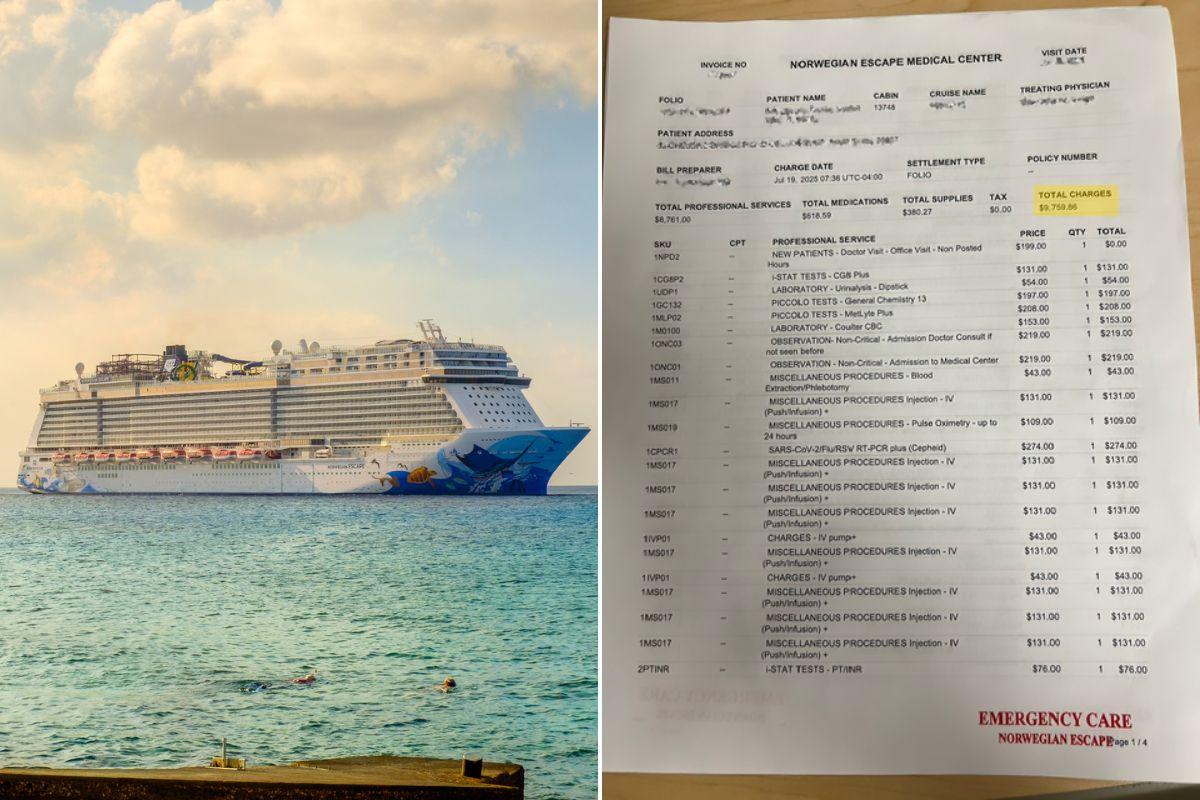
Passengers who become ill on a cruise can face medical bills outside the fare, cabin isolation or a hospital stay abroad while their ship continues its voyage. A serious illness can also leave travelers responsible for accommodation and transport home after discharge.
Large cruise ships have medical centers staffed by doctors and nurses, but their role is to treat routine conditions and stabilize emergencies until more advanced care is available. Insurance benefits, isolation arrangements and compensation for missed activities vary by policy and cruise line.
Medical charges and the limits of insurance
Onboard consultations, tests and medication are generally added to the passenger’s shipboard account and settled with other purchases. Prices differ between operators; the medical center or guest services can provide fee information before treatment. Itemized bills and treatment records are important for subsequent insurance claims.
Domestic health insurance may provide limited coverage, or none, for treatment abroad. Original Medicare Part B has a specific shipboard exception: medically necessary treatment may qualify when the vessel is docked at a U.S. port or within six hours of one, provided its doctor is legally authorized to practice aboard. Care received beyond that distance is not covered.
Some Medicare Advantage plans include additional benefits for emergency or urgently needed treatment abroad. Certain Medigap policies also cover foreign emergency care, subject to deductibles, policy limits and lifetime maximums. Passengers need to check their particular coverage and claims procedures before departure.
Travel insurance separates treatment expenses, emergency evacuation and trip interruption into distinct benefits. A policy may cover one adequately without offering comparable protection for the others. Coverage for pre-existing conditions, including any waiver, depends on the contract and may also depend on when the policy was purchased.
When treatment requires leaving the ship
The ship’s doctor assesses whether a patient can remain under onboard care or needs treatment ashore. The captain controls the vessel’s movements. Depending on the medical assessment and location, an emergency may require a helicopter transfer or a diversion to a port capable of receiving the patient.
Aircraft access depends on proximity to land and operating range. Far offshore, the ship may need to continue caring for the patient while proceeding toward a suitable port. The U.S. Coast Guard can participate in rescues in U.S. waters.
A transfer to a hospital at a scheduled port call can also end a passenger’s cruise. Ships generally maintain their departure schedules, leaving the patient to arrange further treatment, lodging after discharge and onward travel. Rejoining at a later port may be possible if the cruise line permits it.
Hospital facilities and language support vary by destination. Traveling companions must decide whether to remain aboard or disembark, and keeping passports and essential documents accessible can simplify an unexpected departure.
Isolation and gastrointestinal illness reporting
Passengers with vomiting, diarrhea or other contagious symptoms are generally asked to remain in their cabins. There is no uniform isolation duration across cruise lines. Meal delivery and arrangements for cabinmates also depend on the operator’s procedures, as does the process for obtaining further medical help.
The CDC’s Vessel Sanitation Program generally covers ships carrying at least 13 passengers on international voyages that include a U.S. port. Covered vessels must report gastrointestinal illness and are normally subject to two unannounced inspections annually. The program’s requirements include illness surveillance, isolation procedures, outbreak response and enhanced cleaning.
The CDC’s public outbreak threshold is reached when gastrointestinal illness is reported by at least 3% of passengers or 3% of crew; the two groups are assessed separately. Smaller clusters do not appear on the public outbreak list, although illness reporting remains part of the ship’s obligations.
Norovirus spreads through contaminated food, surfaces and contact with infected people. Handwashing with soap and water is more effective against it than alcohol-based sanitizer, particularly before meals and after restroom use. Passengers developing vomiting or diarrhea should notify the medical center.
The CDC has ended its cruise-specific COVID-19 program, and individual operators set their testing, masking and symptomatic-passenger policies. Those requirements can change between booking and embarkation.
Boarding decisions, refunds and medication supplies
Cruise lines typically use pre-boarding health questionnaires and can refuse embarkation to passengers with symptoms. Fare refunds following a refusal depend on the operator’s terms and any applicable insurance coverage.
Once a voyage begins, illness generally does not entitle a passenger to reimbursement for missed excursions or time confined to a cabin. Any credit or compensation is governed by the line’s policy; an insurance claim depends on the relevant interruption benefits. The cruise contract sets out the operator’s health and refund provisions.
Seasickness is not contagious and differs from an infectious stomach illness. Common remedies include over-the-counter meclizine, prescription scopolamine patches and ginger. Meclizine can cause drowsiness, which alcohol can increase; scopolamine can cause dry mouth and drowsiness. Lower-deck cabins near midship reduce the motion passengers experience. Which remedies are available aboard varies.
Shipboard pharmacies carry limited stocks and may not have a passenger’s regular medication. Medicines should travel in carry-on luggage, in their labeled containers, with additional quantities for delays. A written record of drug names, doses, frequency and allergies can help medical staff if bottles are unavailable or the passenger cannot explain their treatment.
Passengers who use refrigerated medication or medical devices should contact the cruise line before sailing to establish what storage and support will be available aboard.