Carnival Pride Tests HullSkater Robot to Boost Efficiency
The robot can be kept aboard in a portable unit with a launch and recovery ramp, and inspection and grooming missions typically run two to eight hours.
Updated August 6, 2026
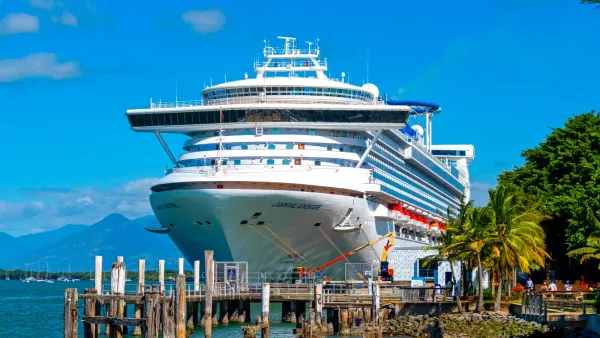
Carnival Cruise Line has signed an agreement with Jotun to implement its Hull Skating Solution, following an initial deployment aboard Carnival Pride. Jotun identified Carnival as the first cruise operator to use the robotic hull-cleaning technology.
Carnival Pride is the first ship in the Carnival fleet to carry the HullSkater system. Carnival is evaluating the technology's effect on hull maintenance, fuel efficiency and ship performance.
"Maintaining a clean hull is essential for efficient ship operations, and the Hull Skating Solutions allow us to take a more proactive approach to hull maintenance," said Jari Oinas, AVP of fuel performance and decarbonization at Carnival Cruise Line. "As we evaluate the technology aboard the Carnival Pride, we see strong potential to support ship performance while advancing our long-term sustainability goals."
What the agreement includes
The agreement covers more than the HullSkater device. It also includes a compatible hull coating, continuous monitoring and hull inspections, digital reporting on hull performance, and an always-clean hull guarantee.
The HullSkater is a remotely operated vehicle that moves along the hull using cameras and sensors to assess underwater conditions and clean the surface before fouling builds up. The system is designed for frequent grooming rather than periodic heavy cleaning. Its non-abrasive brushes are intended to remove early-stage growth without damaging antifouling coatings.
The robot can be kept aboard a ship in a portable unit with a launch and recovery ramp, while operations can be controlled from shore-based hubs. Typical inspection and grooming missions run from two to eight hours, depending on vessel size and hull condition.
Jotun said DNV independently verified that vessels using the system can maintain an always-clean hull with no measurable speed loss. The company also said the technology allows cruise operators to inspect and clean a ship's hull before it sails to its next destination.
Fuel efficiency and biofouling
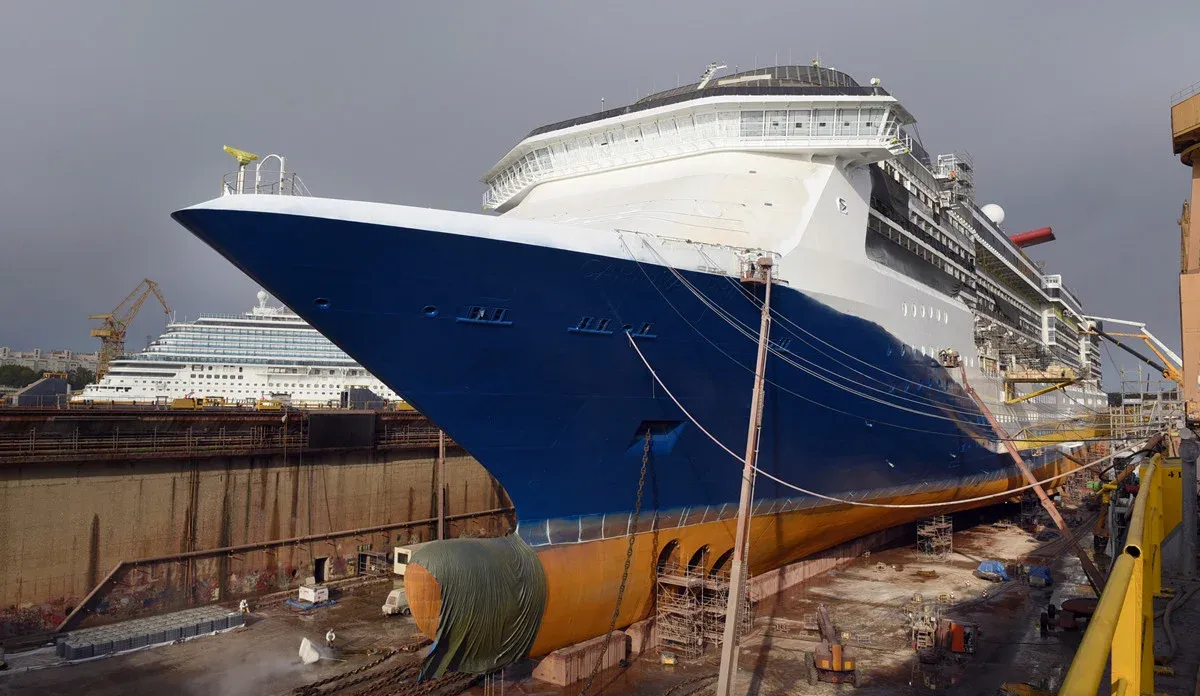
The system targets biofouling below the waterline. Marine growth on underwater surfaces can raise propulsion power demand by 25% to 30%, and propulsion accounts for about 60% of a cruise ship's total energy use.
Carnival said maintaining a clean hull can support fuel efficiency, minimize speed loss and reduce the risk of transferring invasive species between waters and ports. Jotun attributed lower fuel consumption, reduced carbon emissions and biodiversity protection to the proactive cleaning approach.
"Carnival is demonstrating real leadership by embracing new technology that ensures consistently clean hulls and reduced environmental impact," said Stein Kjolberg, regional vice president, Americas, for Jotun. "With our 100-year-long track record in hull performance, and with presence in the US for over 50 years, we are proud to support an American icon that is both ambitious and forward-leaning," Kjolberg added.
The announcement did not identify additional Carnival ships that will receive the system or provide a timetable for deployments beyond Carnival Pride.
See current Carnival Pride fares and itineraries on Cruise Lookup.