Canada Invests Up to $14.3M in Port Charlottetown Shore Power
Transport Minister Steven MacKinnon announced the funding May thirteenth; the port can handle up to four cruise ships, with two alongside and two at anchorage.
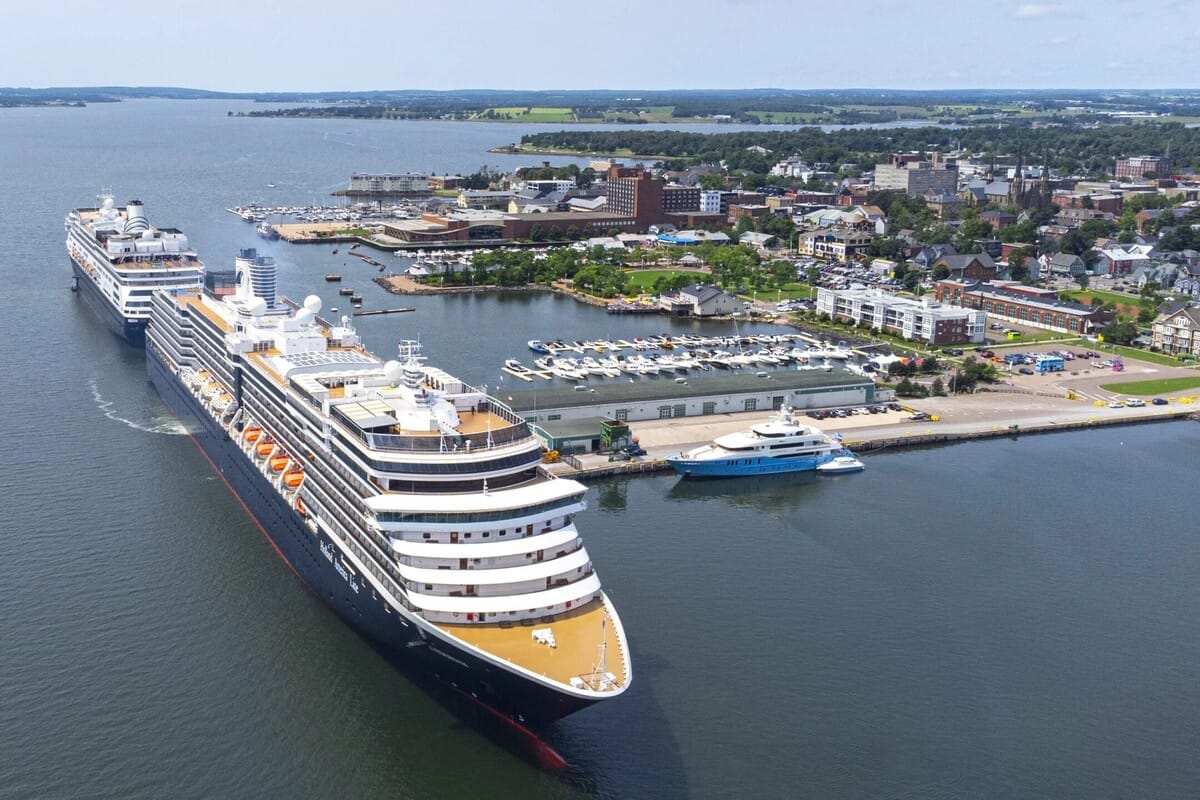
The Government of Canada will invest up to $14.3 million in shore-power infrastructure at Port Charlottetown through the Green Shipping Corridor Program’s Clean Ports stream. The Charlottetown Harbour Authority project will install berth-side systems that allow ocean-going vessels to shut down their engines and connect to Prince Edward Island’s electrical grid while in port.
The funding adds Charlottetown to a planned Canada/New England cruise-route buildout, with more than five marquee ports on the itinerary expected to offer shore power by 2030, the Atlantic Canada Cruise Association said.
Charlottetown joins route-wide shore-power expansion
Transport Minister Steven MacKinnon announced the funding for the harbour authority on May 13. The project is aimed at ocean-going vessels calling at Charlottetown, where the port can handle up to four cruise ships at a time, including two alongside and two at anchorage.
Mike Cochrane, CEO of Port Charlottetown, called the federal support “a transformational step forward for Port Charlottetown and Prince Edward Island.”
For cruise lines, equipped ships will be able to maintain onboard hotel services from shore electricity at berth rather than relying on auxiliary engines. Shore-power systems typically supply loads such as lighting, HVAC, refrigeration and shipboard equipment through heavy-duty connections between the vessel and pier.
Clean Ports funding carries technical requirements
The Green Shipping Corridor Program supports projects tied to lower-emission marine corridors on Canada’s coasts, the Great Lakes and the St. Lawrence Seaway. Its two streams cover clean-port infrastructure and vessel demonstrations, with the Charlottetown project funded through the Clean Ports stream.
Shore power requires more than pier equipment. Cruise ships often draw 5 to 20 megawatts while docked, which can require grid upgrades, specialized connection hardware and compatible ship-side systems. Emissions reductions depend on the electricity mix; the Port of Seattle has reported average cuts of 80% in diesel emissions and 66% in CO2 for ships that plug in.
The Charlottetown announcement did not give a commissioning date or state how many berths will receive shore connections.