Brazil Charters Two Cruise Ships as Floating Hotels for COP30 in Belém
Belém’s housing squeeze is turning logistics into a climate justice issue, testing whether poorer and island nations can afford to show up for the talks.
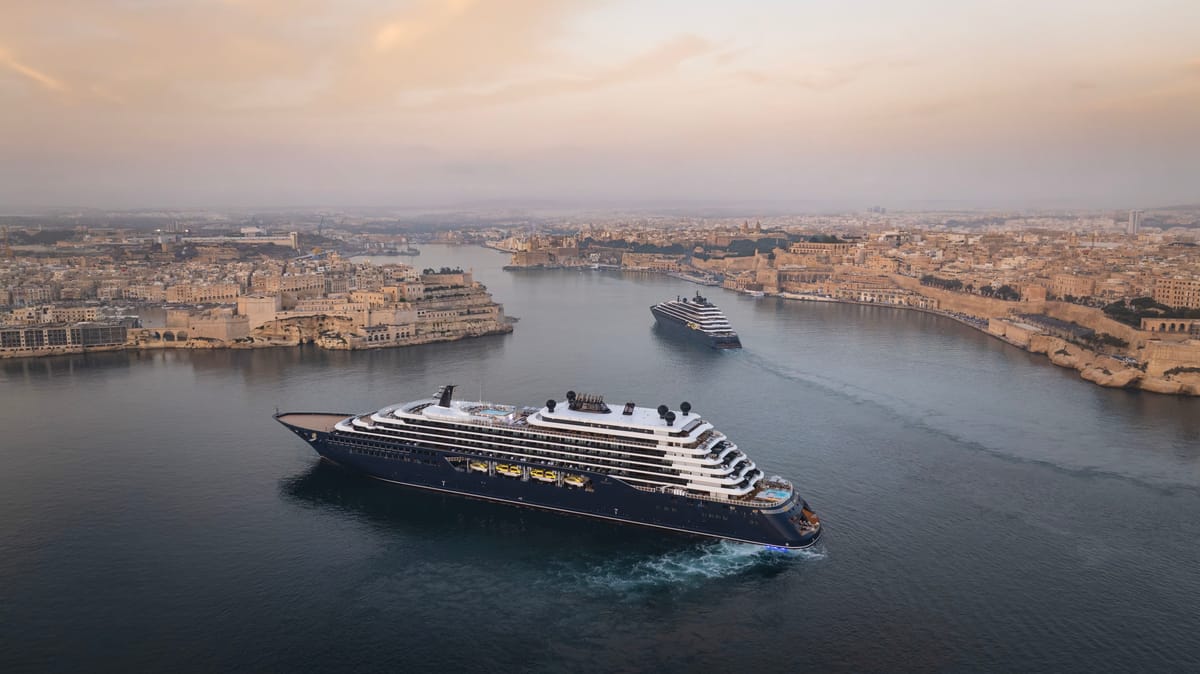
Brazil has chartered two cruise ships to serve as floating hotels in Belém as the city scrambles to house tens of thousands of visitors for the COP30 United Nations climate summit in November 2025.
The summit is scheduled for Nov. 10-21, with about 50,000 delegates expected in the Amazon-region capital, where typical hotel capacity is about 18,000 beds. The shortage has pushed nightly prices for available rooms into the hundreds of dollars and prompted warnings that some countries could be priced out of attending.
Accommodation pressure prompts UN meetings and a late-stage ship plan
Brazil’s government said in an Oct. 31 update that 149 countries had confirmed accommodation, while 37 were still in discussions to secure rooms. The situation triggered emergency meetings convened by the United Nations after African nations and small island states warned that costs were becoming prohibitive, even with attempts to subsidize lodging.
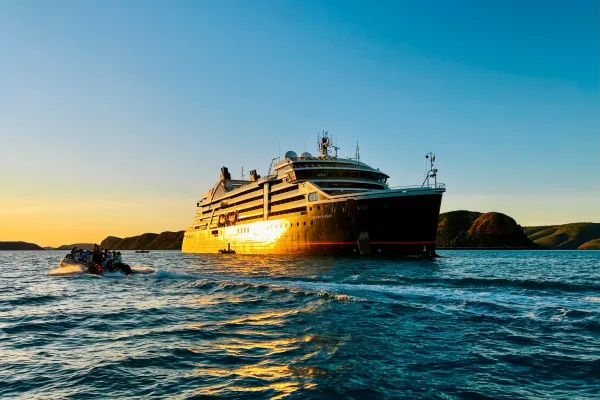
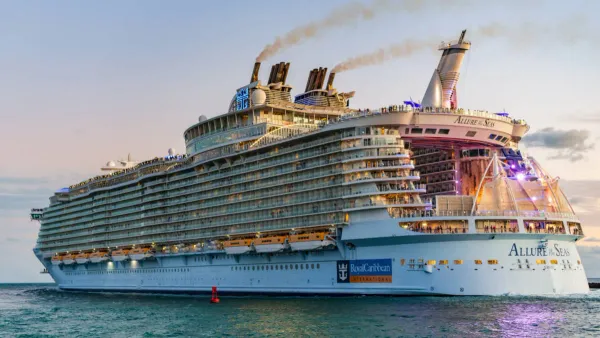
To increase supply quickly, Brazil brought in the Costa Diadema and MSC Seaview from Europe and docked them in Belém to expand options for delegates attending the negotiations, government officials said.
Free cabins offered to support low-income and climate-vulnerable delegations
A leaked email circulated by the UN climate secretariat outlined an offer of three free cruise-ship cabins per eligible delegation for representatives from African countries, small island states, and Least Developed Countries. The email said the cabins were intended to complement other lodging arrangements, not replace them.
The email said the free cabins would be financed through private donors and the Development Bank of Latin America and the Caribbean, with coordination by Brazil’s government in partnership with the United Nations Development Programme (UNDP). The UN climate secretariat and UNDP did not provide comments when asked about the arrangement.
COP30 President Andre Corrêa do Lago said the initiative is designed to help ensure participation by developing countries. “With this, we will have significant support so that all developing countries can be present at the COP,” Corrêa do Lago said. A Reuters calculation put the targeted group at about 96 nations.
Costa Diadema and MSC Seaview docked as floating hotels
The Costa Diadema and MSC Seaview arrived to serve as floating hotels after departing Europe in late October, and are expected to remain in port for around 20 days to cover the summit timeframe. Brazil’s Chief of Staff to the President, Rui Costa, described the ships as a practical solution for a city under intense demand pressure. “These ships offer safety and availability of accommodation for those coming to participate in the conference,” Costa said.
Estimates of how much extra capacity the ships provide vary by source. Some reporting described roughly 4,000 additional rooms, while AFP reported combined capacity for about 6,000 people, reflecting different ways of counting shipboard accommodation.
Key figures behind Belém’s accommodation strategy
- Summit dates: COP30 is scheduled for Nov. 10-21, 2025.
- Expected attendance: About 50,000 delegates are expected for the summit.
- Local hotel capacity: Belém typically has about 18,000 hotel beds.
- Lodging status as of Oct. 31: Brazil said 149 countries had confirmed accommodation, while 37 were still negotiating.
- Free cabin offer: Three cruise-ship cabins per eligible low-income delegation, according to a leaked email cited in reporting.
A new terminal in Outeiro built in months to receive the ships
To berth the vessels, authorities developed the Outeiro Cruise Terminal using infrastructure from a former cargo dock. Local officials and port stakeholders said the project expanded an existing pier from 261 to 716 meters and added new maritime structures to support berthing, along with a dedicated reception area for guests and crew.
The investment was cited at nearly $45 million (about R$230 million), and the construction timeline was described as roughly five to six months. At the opening ceremony, Pará Governor Helder Barbalho tied the work to both COP30 operations and longer-term infrastructure ambitions. “Belém is advancing to, in this final stretch, have all the equipment ready to welcome those who will participate in the COP,” Barbalho said, adding that the works were intended to leave “extraordinary legacies” for the city’s infrastructure.
Jardel Silva, president of Companhia Docas do Pará (CDP), described the first berthings as a milestone for the state. “We delivered a port ready to receive cruise ships,” Silva said.
Daily logistics: transfers, commute times, and onboard conditions
The ships are docked in the Outeiro area, separated from the main conference zone by a commute that delegates described as significant. AFP reported the distance at about 20 kilometers, with bus transfers taking roughly 45 minutes in some cases.
Organizers have pointed to measures aimed at making the arrangement workable, including a reception team with bilingual volunteers, improved signage and maps, and a 24-hour transfer service. Transport options were also expected to connect ship-based guests with the airport and conference venues.
Some delegates described the cruise-ship stay as unusual but acceptable. Lesotho forestry department official Bereng Mokete told AFP, “We wanted something that is different,” adding that he hoped it would be memorable. Jose Santoro, who works in logistics for Brazil during the conference, told AFP, “The room is very comfortable,” while noting that the bathroom felt small for him; he also said internet access was functioning and that hot and cold water were available.
High prices persist, even with added inventory
Despite the extra accommodation capacity, cost remained a recurring complaint as COP30 approached. Delegates told AFP they were seeing quotes in the hundreds of dollars per night, and cruise-ship cabins were also described as expensive for many delegations, with prices cited as high as $600 in some cases. Separately, some European countries have indicated they might skip COP30 after being quoted more than $500 per person per night for accommodations.
Brazilian President Luiz Inácio Lula da Silva defended holding the summit in the Amazon region as symbolically important for climate negotiations. AFP reported that Lula, responding to repeated doubts about logistics, suggested delegates could “sleep under the stars,” though the plan ultimately leaned heavily on expanded lodging options, including the ships as well as other facilities such as private homes and institutions.
Criticism over emissions, and assurances of monitoring
Environmental groups have criticized the use of cruise ships at a climate summit, pointing to emissions and other impacts associated with large vessels. In response, Rosandela Barbosa, a port director for the CDP ports company of Pará state, told AFP the ships have onboard systems to manage fuel use and that agencies were monitoring. “No immediate risk to the environment is observed,” Barbosa said.
What remains after COP30
Local and federal officials have framed the Outeiro terminal and related upgrades as a lasting asset for Belém, aimed at strengthening the city’s position in tourism and logistics beyond COP30. The Costa Diadema and MSC Seaview are scheduled to stay docked through the summit period, and officials have said the terminal is intended to remain in use after the conference.
Frequently Asked Questions (FAQs)
Which cruise ships are being used as hotels for COP30 in Belém?
Brazil is using Costa Diadema and MSC Seaview as floating hotels during the COP30 summit period.
How many free cabins is Brazil offering to low-income delegations?
A leaked email cited in reporting said Brazil is offering three free cabins per eligible delegation, intended to complement other lodging arrangements.
Where are the ships docked, and how long is the trip to the conference area?
The ships are docked in the Outeiro area at the Outeiro Cruise Terminal. AFP reported the distance at about 20 kilometers, with bus transfers taking roughly 45 minutes in some cases.
How much did the Outeiro Cruise Terminal project cost, and how fast was it built?
Local officials cited an investment of nearly $45 million (about R$230 million). The build was described as taking roughly five to six months and included expanding the pier from 261 to 716 meters.
What environmental concerns have been raised about using cruise ships at a climate summit?
Environmental groups have criticized the plan because of emissions and other impacts associated with large cruise ships. Port director Rosandela Barbosa said agencies were monitoring and that “No immediate risk to the environment is observed.”