Baltic Ports Organization Sets Hamburg Shore Power Seminar
Hamburg’s role as a working test bed shows how shore power is moving from climate pledge to infrastructure challenge for ports balancing cleaner berths with costly grid upgrades.
The Baltic Ports Organization will convene a shore power seminar and study visit at the Port of Hamburg on June 26, using Hamburg's operating installations as the case study for ports weighing large-scale berth electrification. Co-hosted with Port Gear, the program is aimed at port and terminal decision-makers working on infrastructure investment, sustainability programs and technology deployment.
The agenda pairs container-terminal shore power with cruise-terminal standardization, placing North and Baltic Sea cruise operations in the same discussion as container hubs. BPO represents more than 50 ports and maritime stakeholders around Baltic Sea countries.
Agenda covers container and cruise shore power
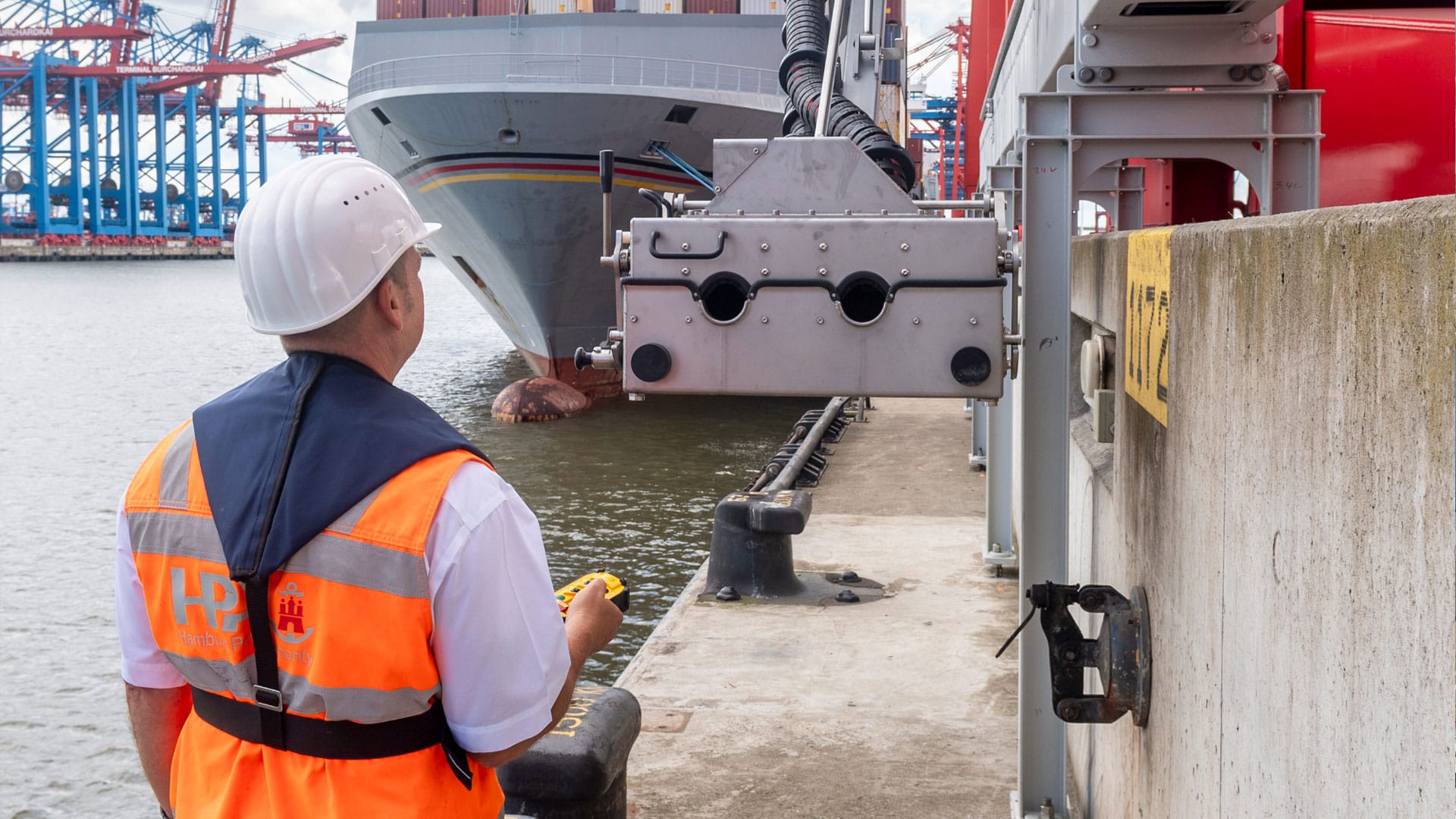
Sessions will address onshore power for container vessels in Hamburg and the technical and operational barriers that container ports face in large-scale implementation. Cruise-focused sessions will examine shore power in the North and Baltic Sea regions, including standardized cable handling and automated interface systems for terminals with multiple cruise berths.
The program also includes a panel on whether shore power will be viewed in five to 10 years as an energy-transition success or an expensive diversion. The event notice named no speakers.
Hamburg provides operating examples
Hamburg has expanded shore power so berthed ships can draw grid electricity instead of running diesel engines alongside. Its installations span major container facilities, including Eurogate Container Terminal Hamburg and HHLA terminals, as well as cruise facilities including Steinwerder and HafenCity; the Altona cruise terminal has had shore power since 2016.
The port describes its shore power electricity as fully renewable. Hamburg's rollout has targeted 11 onshore power supply-equipped berths by 2025, with longer-range goals to equip all major berths by 2030 and full coverage by 2040.
For ports, the emissions case is local as well as carbon-related: shore power can reduce NOx, SOx, PM2.5, CO2 and noise while vessels are berthed.
Cruise terminals face high-voltage standardization issues
Cruise ships typically use high-voltage shore connection systems covered by IEC/ISO/IEEE 80005-1, the standard for ship-to-shore connections, transformers and related equipment. The companion IEC/ISO/IEEE 80005-3 standard covers low-voltage shore connections, generally for smaller vessels and lower-power applications.
At the Hamburg study visit, BPO says the port has advanced cable management and automated interfaces at multi-berth cruise facilities.