Bahamas Moves Forward With Mayaguana Deep-Water Port Plan
If built, Mayaguana could shift cruise growth and freight links toward the Bahamas’ quieter southeast, spreading tourism dollars and easing reliance on Nassau-centric ports.
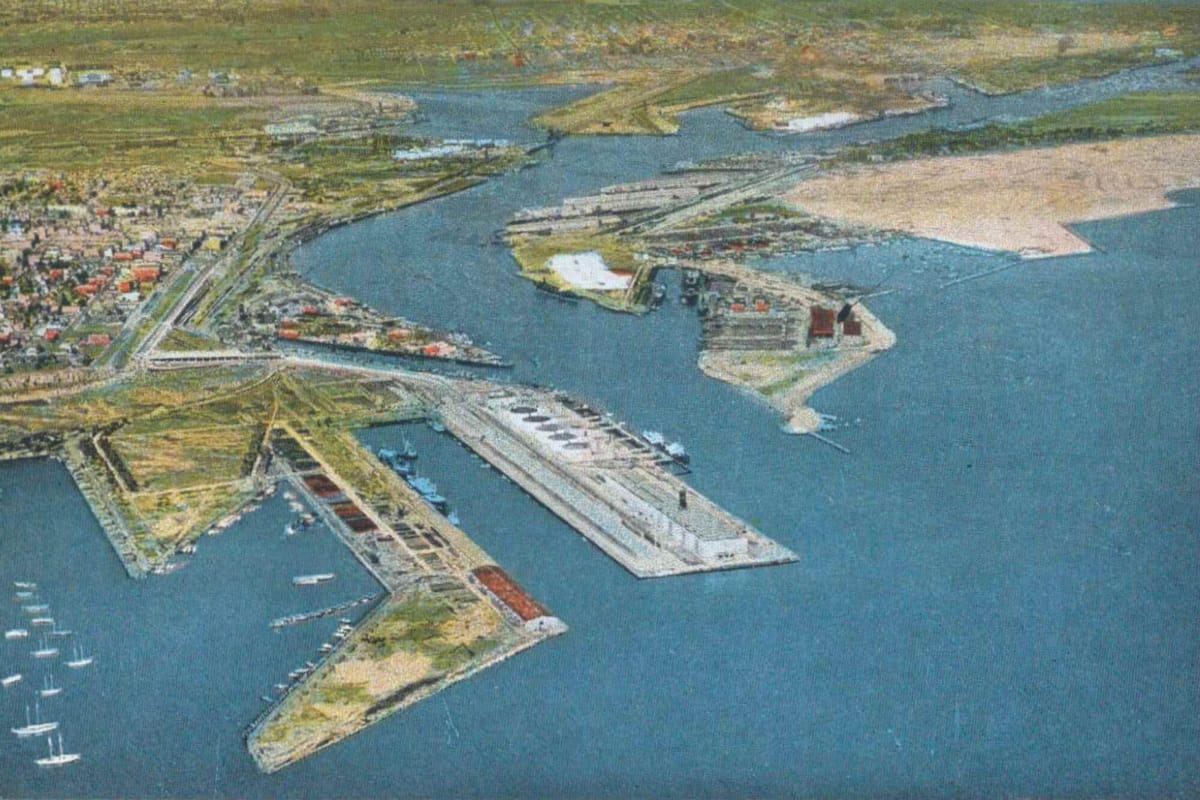
The Government of The Bahamas is moving forward with plans to develop a new port, cruise terminal, and cargo facilities on Mayaguana through a public-private partnership, positioning the southeastern island as a new hub for cruise activity and regional trade.
The Office of the Prime Minister said the initiative, announced earlier this year, is being advanced with Global Lead Consultant Group Limited working alongside the Bahamian government. Officials have described the project as a major infrastructure upgrade intended to expand Mayaguana’s role in cruise calls, cargo activity, and related services in a part of the country that has traditionally seen far less visitation than Nassau and other well-known destinations.
Public-private partnership and planned ownership structure
According to the Office of the Prime Minister, the development is planned to be jointly owned by three parties: the Government of The Bahamas, the Mayaguana Island Development Fund, and Global Lead Consultant Group Limited. The government said the fund’s share is intended for the direct benefit of Mayaguana, and that the partners have indicated they plan to engage the community on how those funds are used.
How the buildout is planned to roll out
The government has outlined a three-phase approach that starts with enabling works and core port infrastructure, adds dedicated cruise facilities, and later expands capacity along with supporting development.
- Phase 1: Construction support facilities, including a temporary marine offloading facility, along with a deep-water port to support further work on the island.
- Phase 2: Development of a new cruise terminal.
- Phase 3: Additional port development, upgrades intended to support larger ships, and adjacent land developments and support facilities.
The Office of the Prime Minister said additional project details are still being finalized and will be announced later as planning progresses.
Why Mayaguana is central to the plan
Officials have pointed to Mayaguana’s location in the southeastern Bahamas and its proximity to major international shipping routes. The government said that positioning makes the island a logical stop for vessels traveling between North America, the Panama Canal, South America, and Europe.
The island sits about 350 miles southeast of Nassau and has been described as a midpoint between Miami and Puerto Rico, a geography the government believes could strengthen Mayaguana’s appeal for Eastern Caribbean itineraries. The proposed port is also framed as an alternate docking location when unfavorable weather affects other parts of the Bahamas.
Beyond cruise calls, the project is intended to function as a cargo port for ships moving along these routes, with the government presenting the cruise-and-cargo concept as a key rationale for new deep-water infrastructure.
Jobs, tourism expectations, and local economic goals
Preliminary forecasts cited in the government’s announcements suggest the development could create roughly 2,000 jobs during construction, with additional employment expected once cruise operations begin. The Office of the Prime Minister said the initial estimates did not specify how many roles would be tied to construction versus port operations, cruise terminal activity, and related services.
Once operational, the port is expected to bring new tourism spending and opportunities for local businesses and artisans. Plans discussed for the visitor experience include eco-tourism activities such as snorkeling and wildlife viewing, along with cultural experiences, shopping, and dining intended to reflect the island’s heritage.
Ship size ambitions and environmental features under discussion
The government and project backers have said the facility is expected to attract some of the largest vessels in the industry, citing Royal Caribbean’s Icon and Oasis class ships, Carnival Cruise Line’s Excel class vessels, and MSC Cruises’ World Class ships as examples.
Environmental resilience has been presented as a core focus alongside the economic goals. Planners have discussed incorporating LNG fueling capabilities, shore power hook-ups, and other advanced technologies, while environmental assessments, design work, regulatory approvals, and collaboration with local entities are expected to take place before construction begins.
Timeline and next steps
No construction start date or opening date has been provided. The Office of the Prime Minister said further steps remain before work can begin, including environmental assessments, stakeholder engagement, regulatory approvals, and design development, with more details to be released as planning is finalized.
Frequently Asked Questions (FAQs)
What is the timeline for the Mayaguana cruise port development?
A specific timeline has not been announced. The government has outlined a three-phase plan, and said more details will be shared once they are confirmed as planning progresses.
Who will own the Mayaguana port and cruise terminal?
The project is planned to be jointly owned by the Government of The Bahamas, the Mayaguana Island Development Fund, and Global Lead Consultant Group Limited.
What will be built first under the three-phase plan?
Phase 1 includes construction support facilities, including a temporary marine offloading facility, along with a deep-water port. The cruise terminal is planned for Phase 2, followed by additional port and adjacent land development in Phase 3.
What types of ships will the new port accommodate?
The port is being planned with the ability to handle large cruise ships, with examples cited including Royal Caribbean’s Icon and Oasis class ships, Carnival Cruise Line’s Excel class vessels, and MSC Cruises’ World Class ships, alongside cargo activity.
What are the plans for environmentally sustainable development?
Planners have discussed incorporating LNG fueling capabilities and shore power hook-ups, and the government has said environmental assessments and regulatory approvals are part of the steps expected to occur before construction begins.