Wrangell Approves 40-Year Lease for American Cruise Lines Dock
As small ship cruising expands in Southeast Alaska, ports are testing how to partner without surrendering the waterfront. Wrangell's model may shape talks from Haines to Petersburg.
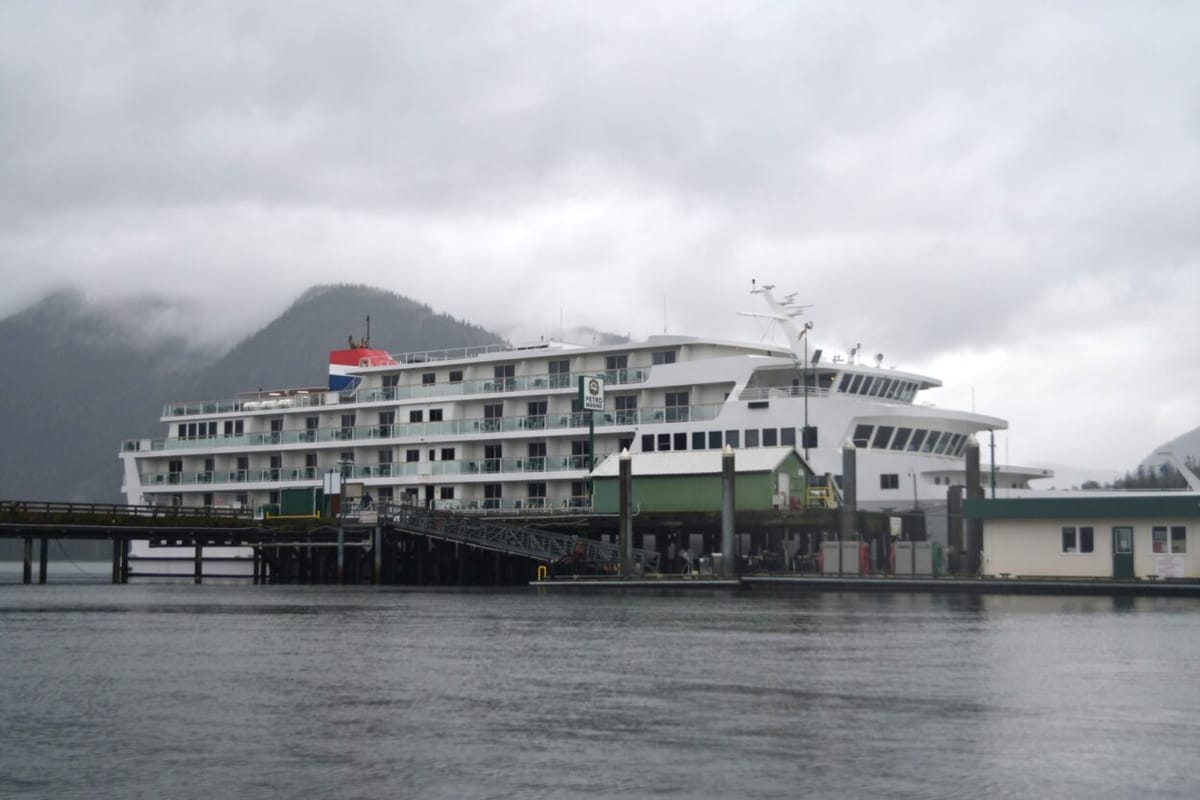
Wrangell’s borough assembly has unanimously approved a 40-year tidelands lease that clears the way for American Cruise Lines to build and operate a new floating dock on the community’s downtown waterfront.
The agreement, approved Jan. 7, is intended to give the small-ship operator a dedicated overnight berth while also expanding public access to the waterfront when cruise ships are not in town, borough officials and company representatives said.
What Wrangell approved, and how public access is structured
The City and Borough of Wrangell’s lease authorizes American Cruise Lines to construct and operate a floating dock along the downtown waterfront after months of negotiations and a public work session. Borough Manager Mason Villarma said discussions about the arrangement have been underway since April 2025.
Villarma described the lease as a “custom fit” for Wrangell. Under the terms outlined by officials, residents would be able to use the dock when American Cruise Lines is not alongside, including during the off-season, with the borough retaining control during those periods.
Wrangell officials have said the community’s existing downtown dock faces competing demands, and the new facility is meant to reduce conflicts when multiple vessels need to tie up. American Cruise Lines’ ships are typically in port overnight, increasing the need for reliable berthing space that is not displaced by other traffic at the larger dock.
A repurposed vessel hull, and a downtown location tied to the fill area
Villarma confirmed Jan. 11 that American Cruise Lines plans to reuse the hull of the American Empress as the basis for the floating dock structure. The vessel is a 23-year-old, 360-foot paddlewheeler that has not operated in recent years.
At Tideline Construction’s 6-Mile work site, crews are removing the ship’s superstructure so the remaining structure can be converted into an approximately 300-foot platform for dock use.
The floating dock is planned for the downtown shoreline near the borough’s waterfront fill area. Villarma said it is expected to sit near the middle of the fill project area, between City Hall and the current barge ramp area.
Officials have also said the facility is expected to function as a drive-down dock for community use when cruise ships are absent, a feature sought by local stakeholders and intended to support fishermen and other users along the downtown waterfront.
Who pays for the dock, and how the access work is expected to be funded
Under the Wrangell arrangement, American Cruise Lines is funding the floating dock itself, including construction and ongoing maintenance. The borough is responsible for the upland work needed to reach the dock, including placing fill in part of the tidelands to create access.
Wrangell officials have estimated the initial fill work at about $2.5 million, tied to a broader fill effort covering roughly two acres. The borough has previously authorized up to $4 million in revenue bonds for waterfront fill projects, with repayment intended to come from ports and harbors revenue rather than local tax dollars.
Villarma said the borough expects to build the fill in stages based on available funding and bid pricing. The first stage is intended to create the access needed for American Cruise Lines’ dock. Later stages would extend the fill farther toward the barge ramp abutment, and then potentially toward the Marine Service Center if resources allow. If bond proceeds are not sufficient, Villarma said the borough is also pursuing additional federal grant funding connected to expanding the Marine Service Center.
The agreement also outlines a division of responsibilities once the dock is in service: American Cruise Lines would handle major maintenance and capital repairs, while the borough would manage day-to-day operations. If the dock is used by other parties, revenue from that third-party use would be divided evenly between the borough and American Cruise Lines.
Revenue expectations, lease terms, and assumptions about ship calls
Wrangell officials have said early projections for a first full year of operations are tied to lease payments, passenger-related revenue, and docking activity. The lease sets an initial base rent of $50,000 per year and includes a minimum of 40 dockings annually, with projections assuming at least two ships call at Wrangell more than 40 times per year.
- The borough projects $50,000 per year in tidelands lease fees under the base rent included in the agreement.
- Property taxes tied to the facility are projected at about $54,000 in early estimates provided by borough officials.
- Passenger fee revenue is projected at roughly $60,000 based on expected cruise calls and volumes cited by the borough.
- Docking fees are projected at about $45,000 in the first-year estimate, with officials noting totals could rise with additional capacity in later seasons.
Villarma said overall port-related revenue could exceed $200,000 annually under the conservative estimate, and could rise if American Cruise Lines adds capacity later, including a planned third vessel expected to enter service in 2028.
American Cruise Lines’ Southeast Alaska growth plans
American Cruise Lines has been engaging with multiple Southeast Alaska communities about long-term partnerships and cruise infrastructure, part of a broader strategy that includes building customized docks for its small-ship fleet.
In Wrangell, the company has two vessels in Southeast Alaska service with capacity of about 170 passengers each, and it is building a third Southeast Alaska ship with capacity of about 100 passengers that is expected to enter service in 2028.
During the Jan. 7 assembly meeting, American Cruise Lines President Charles Robertson tied the Wrangell investment to the company’s broader fleet plans. “At the rate we are planning to add ships, we recognized the need to invest in different ports,” Robertson told assembly members. He described the Wrangell agreement as a “flagship project” for the company in Alaska, and said American Cruise Lines is also in discussions with other communities, including Petersburg and Haines, about potential long-term dock arrangements.
Different reactions across Southeast Alaska, from Haines to Petersburg
While Wrangell’s vote was unanimous, borough officials and residents still raised process concerns ahead of the decision. Wrangell resident James Freeman told the assembly that a town hall meeting focused on waterfront development had been canceled due to winter weather, which he said limited opportunities for some residents to comment before the vote.
Elsewhere in the region, a similar dock proposal in Haines fell through after significant local opposition. American Cruise Lines had offered up to $4 million toward a dock replacement project at Letnikof Cove, contingent on a long-term lease granting the company priority docking. Residents raised concerns about displacing local fishermen and increasing congestion in the narrow inlet.
“We don’t want them cruising around through all our nets and all of our crab pots,” said Haines fisherman Brian O’Riley. American Cruise Lines ultimately withdrew its proposal, and Haines officials have continued seeking funding for the estimated $8 million project.
In Petersburg, officials have been in discussions with American Cruise Lines while pushing for terms that prioritize public control and local benefit. Petersburg Harbormaster Glorianne Wollen said, “The community doesn’t want to give over control. And American Cruise Lines has seemed pretty responsive to that,” as the borough weighs potential partnership terms against other strategies for dock improvements.
With the tidelands lease approved, Wrangell and American Cruise Lines are moving into permitting and construction planning, with borough officials saying construction could begin as early as this year and a target completion date of May 2027, depending on permitting timelines.
Frequently Asked Questions (FAQs)
When is Wrangell’s new American Cruise Lines dock expected to be finished?
The borough and American Cruise Lines are targeting completion by May 2027, though officials have said the schedule depends on permitting and approvals.
Who is paying for the floating dock and who is paying for the waterfront fill?
American Cruise Lines is funding construction and ongoing maintenance of the floating dock. The City and Borough of Wrangell is responsible for the upland access work, including placing fill to reach the dock, with the initial fill work estimated at about $2.5 million.
What is the American Empress, and how will it be used in this project?
The American Empress is a 23-year-old, 360-foot paddlewheeler owned by American Cruise Lines that has not operated in recent years. Borough Manager Mason Villarma has said its hull is being repurposed as the floating platform after the superstructure is removed, creating an approximately 300-foot platform for dock use.
What are the expected economic benefits of the Wrangell dock project?
Wrangell officials have projected port-related revenues that could exceed $200,000 annually, based on a mix of tidelands lease fees, property taxes, passenger fees, and docking fees, assuming at least two ships call at Wrangell more than 40 times per year.
Why did Haines reject the American Cruise Lines proposal?
In Haines, residents opposed a proposed arrangement at Letnikof Cove over concerns that it could disrupt local fishing activity and increase congestion in the inlet. After the opposition, American Cruise Lines withdrew its proposal, and local officials have continued looking for funding for an estimated $8 million dock replacement project.