Versori Uses AI to Link HX Expeditions’ Salesforce and Seaware
Cruise operators are learning that the hardest artificial intelligence wins are behind the scenes, where legacy booking systems block clean data flows. Guardrailed automation is the workaround.
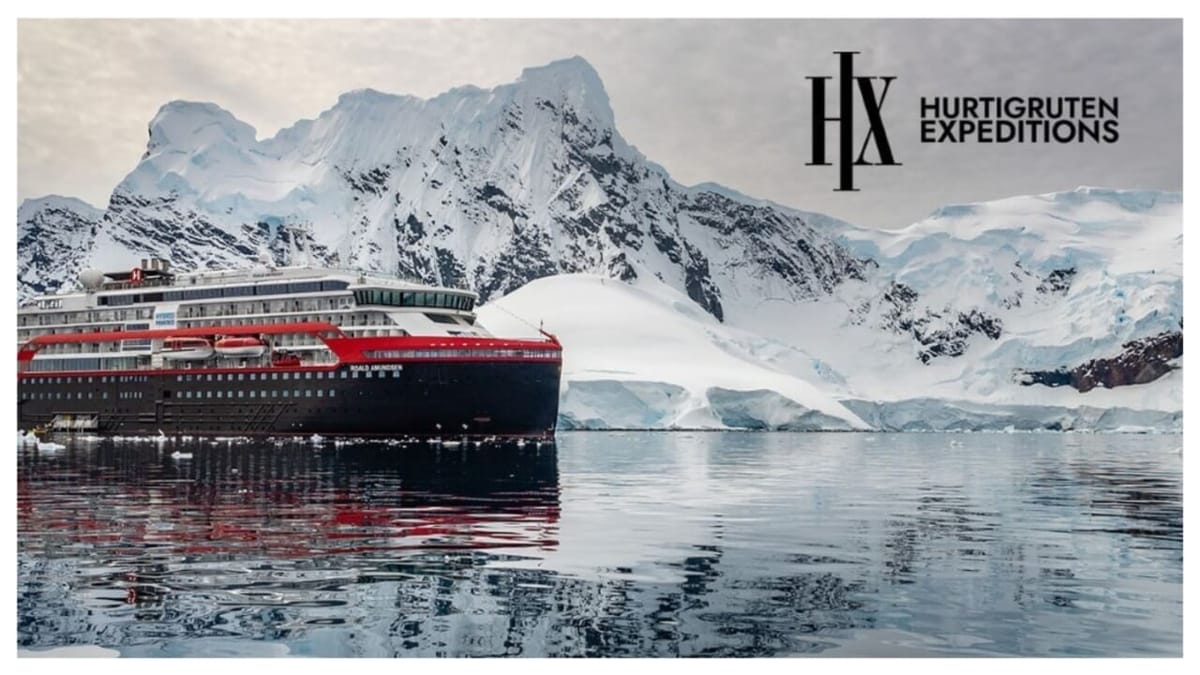
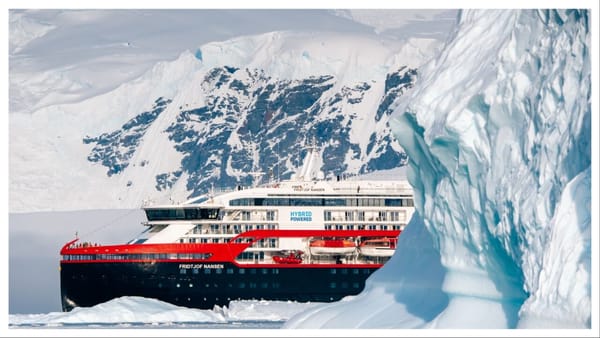
Versori has delivered a new integration connecting HX Expeditions’ Salesforce customer relationship management system with its Seaware booking platform, using AI-driven automation to move customer and operational data between the two systems without extensive manual entry.
Connecting Salesforce and Seaware inside HX Expeditions’ technology overhaul
HX Expeditions is in the midst of a wider digital transformation built around a modern technology stack that includes Salesforce CRM and the Seaware booking platform. Versori said its work focused on building integration flows that let data move between the systems in a more unified way, supporting a redesigned booking experience and reducing operational friction.
Versori also said the integration consolidates information from complex and disconnected sources into a centralized, cleaner data foundation, framing the delivery as a way to modernize legacy processes while keeping implementation time and cost under control.
Why the migration became a high-effort problem without automation
A core issue for HX was transferring existing bookings and related records from Seaware into Salesforce-linked workflows. Because of constraints tied to the Seaware platform, HX could not rely on a straightforward API-enabled transfer for the migration work.
That limitation raised the prospect of re-entering large volumes of records manually. Versori instead built an AI-enabled robotic process automation approach designed to interpret the legacy data and enter it correctly into the destination system.
What the project changed for build time and staffing
Versori said its engineering and delivery teams worked alongside HX Expeditions’ digital and IT stakeholders to co-develop the integration components, and that it used AI to speed up the build process. The companies said the overall delivery achieved a 70% reduction in time compared with traditional approaches.
In an interview, Will Jackson, COO at Versori, said the integration helped maintain continuity of information across both environments without the burden of duplicate entry. He said the approach avoided the need for “five or six staff for around six months” who otherwise would have been needed to re-key records manually.
Oliver Pirozek, program director of digital and IT at HX Expeditions, described the work as a joint effort: “This set of integration flows is a testament to what’s possible when teams align around a shared vision,” Pirozek said.
Guardrails aimed at limiting AI-driven data mistakes
Jackson said Versori built controls intended to reduce the risk of AI-generated mistakes during data handling. “If we get an error we’ll retry,” he said, adding that if a repeat attempt fails, the migration is paused and investigated rather than continuing automatically.
Jackson characterized the approach as constrained automation with human accountability. “It’s on rails,” he said.
Next step under evaluation: an AI-powered booking migration tool
Beyond the completed integration flows, Versori said it is supporting HX Expeditions as the cruise line explores an AI-powered booking migration tool intended to automate parts of the transition process. The concept is aimed at moving historical and in-flight booking data while reducing manual effort and preserving accuracy controls.
AI use cases spreading across cruise companies, from marketing to onboard spend
The HX integration arrives as cruise companies test AI across a wider set of commercial and operational scenarios, including marketing automation and guest-facing personalization.
Virgin Voyages, for example, has partnered with Google Cloud and deployed a fleet of 50 AI agents for marketing and customer engagement initiatives. One tool, “Email Ellie,” is trained to align with Virgin Voyages’ brand voice and generate hyper-personalized campaigns. Virgin Voyages said it reduced time spent on campaign creation by 40% and contributed to a 28% year-over-year increase in sales during July.
“Email Ellie is just the beginning,” said Nirmal Saverimuttu, CEO of Virgin Voyages. “AI agents scale our impact and amplify our human touches, giving our team back time to create joy and connect with our guests.”
Royal Caribbean Group has also placed AI at the center of its digital transformation push. During the company’s 2025 third-quarter earnings call, CEO Jason Liberty said, “Our technology and AI tools are getting smarter, helping us curate what’s relevant to consumers and attracting more first-time cruisers.” Royal Caribbean reported that nearly 90% of guests made pre-cruise purchases via digital channels, and an independent analysis by Klover.ai characterized the company’s AI strategy as focused on reducing friction, deepening loyalty, and driving ancillary revenue, alongside new records in onboard revenue and loyalty program flexibility.
Where AI may help most, and why some executives still warn about accuracy
Sefton Monk, CEO of My Kind of Cruise, said AI’s strongest potential is in operational efficiency after the booking is made. “Cleaning up efficiencies is where I think AI will truly make a difference,” Monk said, while also pointing to possible onboard uses such as an AI concierge providing real-time itinerary information or directions to onboard amenities.
Monk also warned about the risk of “AI hallucinations,” arguing that human oversight remains important to keep guest interactions accurate and reliable. He said human involvement is still essential for booking and itinerary planning to ensure customers receive service tailored to their needs, describing a hybrid model that combines AI efficiency with human expertise.
Frequently Asked Questions (FAQs)
What systems did Versori integrate for HX Expeditions?
Versori delivered an integration connecting HX Expeditions’ Salesforce CRM environment with its Seaware booking platform, enabling data to flow between the two systems.
Why did HX Expeditions need AI-driven automation for the migration?
Because of constraints tied to the Seaware platform, HX could not rely on a straightforward API-enabled transfer. Versori said it used AI-enabled robotic process automation to interpret legacy data and enter it into the destination system, avoiding large-scale manual re-entry.
How did Versori describe its controls for limiting AI errors during migration?
Will Jackson said Versori uses guardrails, including retry logic, and that if repeated attempts fail, the migration is paused and investigated rather than continuing automatically. “If we get an error we’ll retry,” he said, adding that the automation approach is controlled. “It’s on rails,” he said.
What is “Email Ellie,” and what results did Virgin Voyages report?
Virgin Voyages said “Email Ellie” is an AI marketing assistant trained to match the company’s brand voice and produce hyper-personalized marketing campaigns. The cruise line said it reduced time spent on campaign creation by 40% and contributed to a 28% year-over-year increase in sales during July.
For HX, the Salesforce-Seaware work is positioned as an operational integration project aimed at reducing manual processing and keeping data consistent across systems, while Versori said additional automation, including a potential AI-based booking migration tool, is now being explored as the cruise line continues its modernization.