Three Die in Suspected Hantavirus Outbreak Aboard MV Hondius
The Andes strain was later identified in patients tied to the voyage, and Spain planned evaluations in Tenerife before repatriating asymptomatic passengers.
Updated May 25, 2026
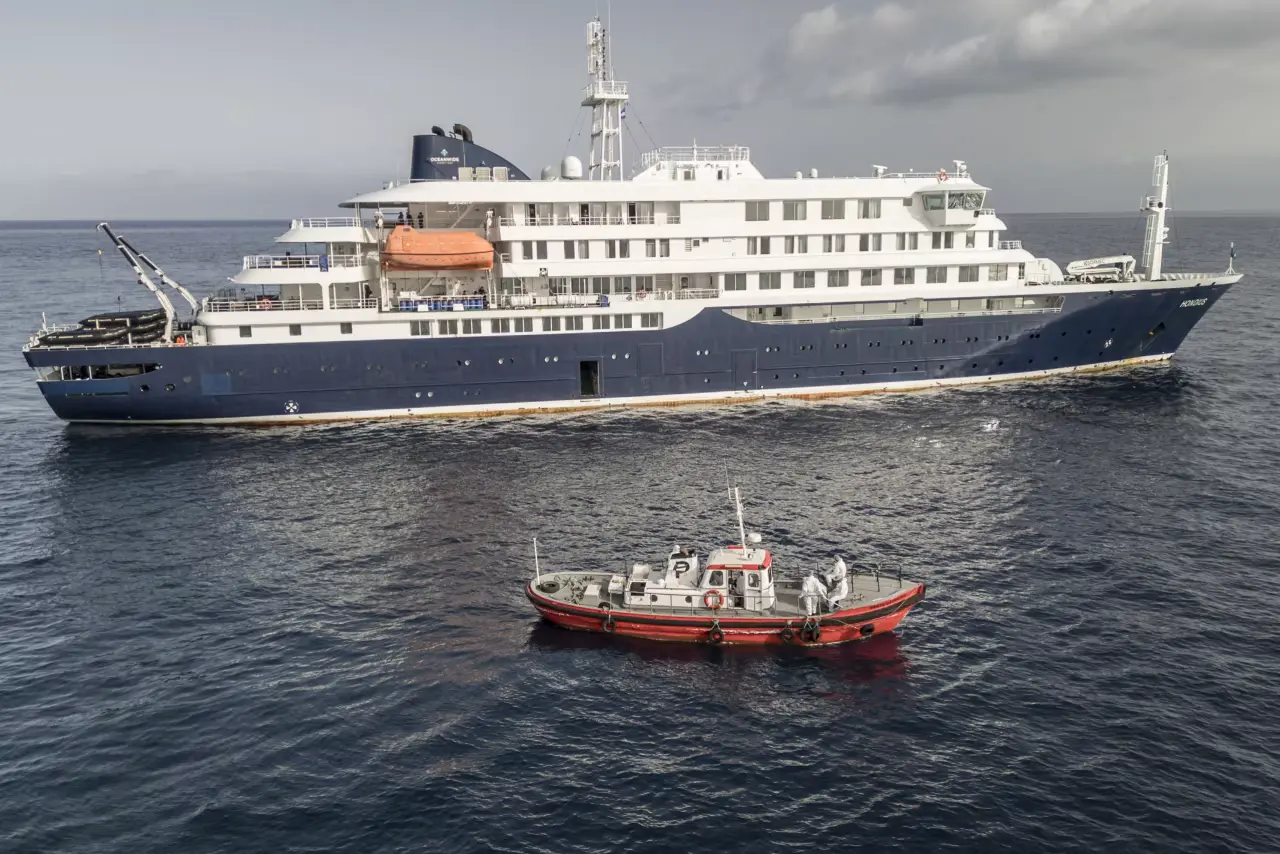
Oceanwide Expeditions' MV Hondius has arrived in Rotterdam for extended cleaning and disinfection after a deadly Andes hantavirus outbreak linked to its South Atlantic voyage left three passengers dead and raised the confirmed case count to nine, with two suspected cases. More than 120 passengers and crew disembarked in Spain's Canary Islands earlier in May and are isolating or under medical monitoring in several countries.
Oceanwide has canceled two voyages to allow the cleaning process. Hondius is scheduled to resume operations June 13 from Longyearbyen, Svalbard. Oceanwide CEO Remi Bouysset said indications point away from the ship itself as the source of infection. “At this stage, there is no indication that the source of infection was linked to the vessel's condition or to Oceanwide Expeditions' onboard operations,” he said.
Passengers disembarked in the Canary Islands
The vessel had been held offshore at Cape Verde after local authorities declined to allow passengers to disembark because of public-health concerns. Medical teams boarded the ship there, and Oceanwide considered the Canary Islands as the gateway for disembarkation and further medical screening.
Passengers and some crew were later evacuated in Spain's Canary Islands on Sunday and Monday in a tightly controlled operation. Oceanwide said 87 guests and 35 crew members from 22 countries had left the ship, while Hondius continued toward the Netherlands with 25 crew members, two medical professionals and the body of one passenger who died onboard. None of those remaining on the ship was showing symptoms when the vessel arrived in Rotterdam, according to Oceanwide.
Several affected individuals remained hospitalized, including some in critical condition, and many guests and crew members remained under quarantine and medical monitoring, Oceanwide said. Earlier in the response, passengers included U.S., U.K. and Spanish nationals, and health authorities in multiple countries began monitoring people who had left the voyage.
How the outbreak unfolded
Hondius departed Ushuaia, Argentina, on April 1 for a South Atlantic itinerary that included Antarctica, South Georgia, Nightingale Island, Tristan da Cunha, St Helena and Ascension Island before reaching Cape Verde.
The first known patient, a 70-year-old Dutch man, became ill aboard the ship in early April and died on April 11. His body was later taken off the vessel at St Helena, where his 69-year-old wife also disembarked. She collapsed in South Africa while trying to continue home and later died in hospital. South African Health Minister Aaron Motsoaledi said the woman's blood tested positive posthumously for hantavirus.
A 69-year-old British passenger who fell ill after the ship left St Helena was evacuated from Ascension Island to South Africa on April 27 and remained in intensive care in Johannesburg after testing positive. A German passenger died onboard on May 2. Oceanwide previously said the causes of death for the Dutch man and the German passenger had not been established and were being investigated.
On May 6, three people were evacuated from Hondius to specialist hospitals in Europe. By the time passengers and crew disembarked in the Canary Islands, authorities had counted nine confirmed cases and two suspected cases linked to the outbreak.
Cleaning and schedule changes
After arriving in Rotterdam, Hondius began an extended cleaning and disinfection process. Oceanwide said the vessel would undergo the process in cooperation with health authorities, and the company canceled two voyages to allow that work to take place.
Bouysset called the outbreak “one of the most difficult situations in our company's history.” He said: “First and foremost, this was and remains a human tragedy. Three individuals have lost their lives. Several others have become seriously ill after contracting the virus, with some requiring urgent medical intervention and evacuation under extremely challenging circumstances.”
Oceanwide said it maintains strict pest-control and biosecurity procedures onboard its vessels, including regular inspections and monitoring. The company has said it has no indication of rodents onboard Hondius.
Andes strain and public-health risk
Hantaviruses are usually transmitted through contact with urine, feces or saliva from infected rodents, including by inhaling contaminated particles. Symptoms can take one to eight weeks to appear and may begin with fever, fatigue, muscle aches, headache or gastrointestinal illness before progressing to cough, shortness of breath and severe respiratory disease.
The Andes virus identified in patients tied to the Hondius voyage is the only hantavirus strain known to have previously spread from person to person, though that transmission is rare and generally associated with prolonged close contact. WHO officials have said the wider public risk remains low. WHO Director-General Tedros Adhanom Ghebreyesus later said there was “no sign that we are seeing the start of a larger outbreak.”
The European Centre for Disease Prevention and Control said the virus genome had been fully sequenced. Andreas Hoefer, who oversees operational coordination of the European Union's reference laboratories for public health, said: “There is no data to suggest that this virus is behaving differently in terms of transmissibility or severity from any of the known virus circulating in certain regions of the world.” He added: “Based on that data, I would say that currently we have no reason to suspect that this is a new virus.”
Origin remains under investigation
The source of exposure has not been established. Argentina's Health Ministry previously said it was reconstructing the Dutch couple's travel history through southern Argentina and Chile and planned rodent capture and analysis in Ushuaia, where Hondius departed. Health authorities have continued contact tracing and monitoring because the Andes virus can have a long incubation period.