State Department Charters Yacht to Evacuate American From Pitcairn
With Tahiti unavailable, officials arranged passage to Easter Island, about 1,400 miles from Pitcairn, where onward air service to Santiago is available.
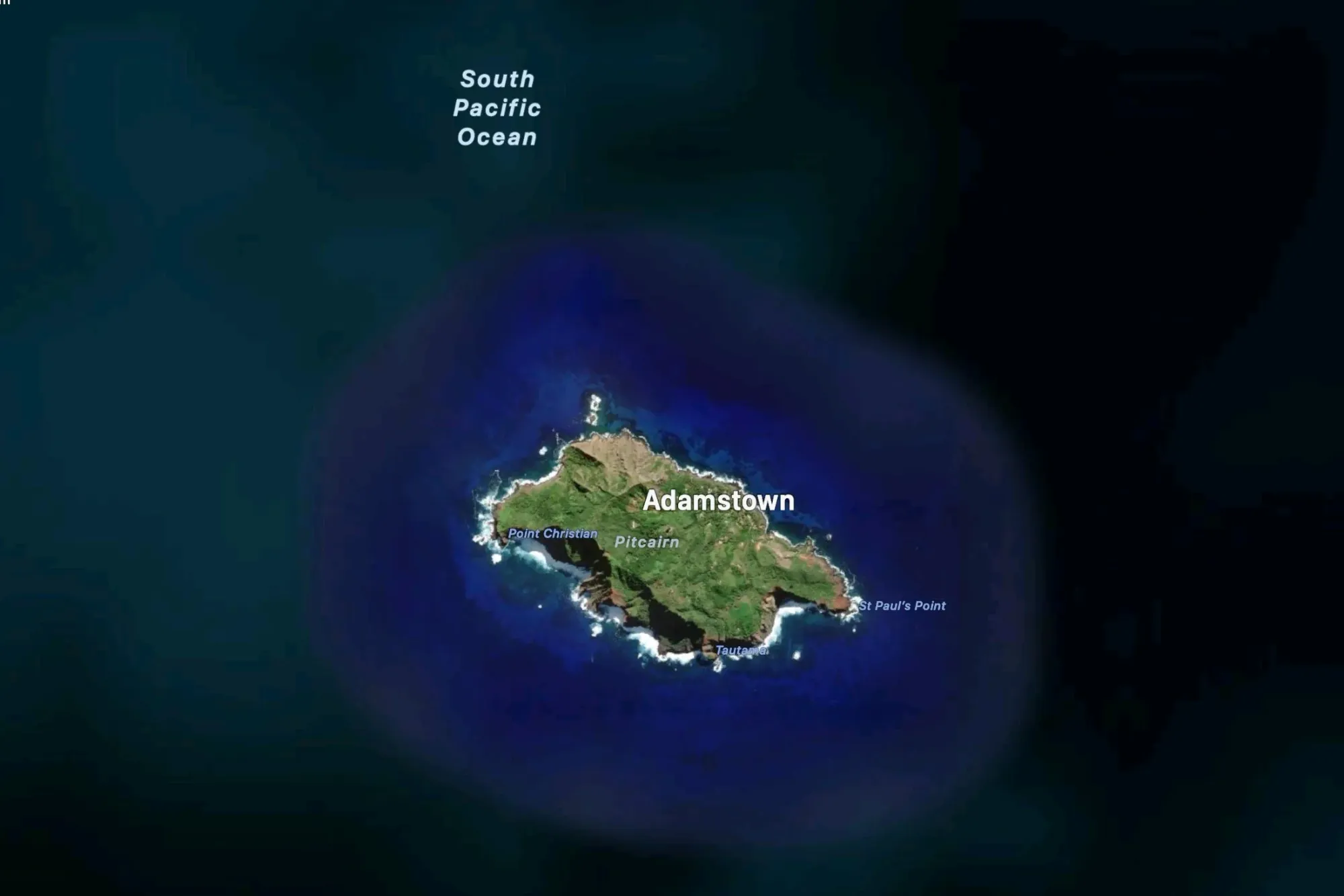
The State Department has committed $750,000 to charter the trimaran Titaina Explorer to evacuate one American from Pitcairn Island after possible exposure to hantavirus aboard the MV Hondius, a Dutch-flagged polar expedition ship operated by Oceanwide Expeditions, in April. The operation, arranged because the British territory has no airport and few departure options, has added a cruise-linked medical evacuation to a U.S. emergency account already being used for Middle East departures and Ebola-contingency planning.
The logistical challenge centers on Pitcairn’s isolation: the inhabited island has about 50 residents, boat-only access through Bounty Bay and no airstrip or seaport. U.S. officials said the woman was not symptomatic, but commercial transportation was not available.
The woman left Hondius, flew to San Francisco and then traveled to Pitcairn through Tahiti. British authorities sought urgent U.S. help to get her off the island, but French Polynesian authorities rejected an initial plan to move her to Tahiti, about 1,350 miles away by sea, because she had not disclosed the possible exposure while transiting there.
The U.S. instead arranged to take her to Easter Island, a Chilean territory about 1,400 miles from Pitcairn with onward air service to Santiago. Two U.S. officials discussed the case on condition of anonymity because it involves medical privacy, and a government document confirmed the charter arrangement.
The State Department declined to discuss the woman’s case in detail, but said that “when an American is at risk abroad and unable to access commercial transportation,” the department seeks appropriate assistance to move that person to the United States or another safe location.
The evacuation is being paid from the department’s emergency account known as the K Fund, formally the Emergencies in the Diplomatic and Consular Service appropriation. The account is used for urgent and confidential foreign affairs needs and is reported quarterly to Congress.
The Pitcairn charter comes as the fund’s balance has fallen to its lowest level in seven years. An internal document said the department is considering shifting up to $50 million into the account, including $35 million from embassy security, construction and maintenance funds and $15 million from broader diplomatic programming. No decision on those transfers has been made, and one official did not disclose the size of any potential shortfall.
The outbreak aboard Hondius was linked in later public-health accounts to the Andes strain of hantavirus, the only hantavirus strain known to spread from person to person. After the woman left the vessel, Hondius continued through the South Atlantic. Some passengers became ill, and at least three died.
Oceanwide has said two scheduled voyages were canceled and that the ship would undergo disinfection before resuming charter operations, with a Svalbard sailing identified as the next planned trip. Other passengers from the vessel were moved into medical supervision or quarantine arrangements after disembarking in the Canary Islands and returning to their home countries.
Health officials have emphasized that wider public risk remains low. Dr. Erica Pan, head of California’s Department of Public Health, said there is “no concern that a contact of a contact without symptoms could infect other people.” World Health Organization Director Tedros Adhanom Ghebreyesus also said there was “no sign” of a larger outbreak beginning.
Titaina Explorer departed Pitcairn on June 5, and officials said they did not know when the woman would return to the United States. The passage to Easter Island can take up to 10 days depending on the yacht’s speed and weather, and the total evacuation payment remains unresolved while the operation continues.