Some Cruise Lines Step Up Health Protocols Amid Record Year of Shipboard Illnesses
Cruise lines are strengthening sanitation practices in response to a surge in shipboard illnesses, reflecting wider concerns about health risks as cruise travel continues to rebound globally.
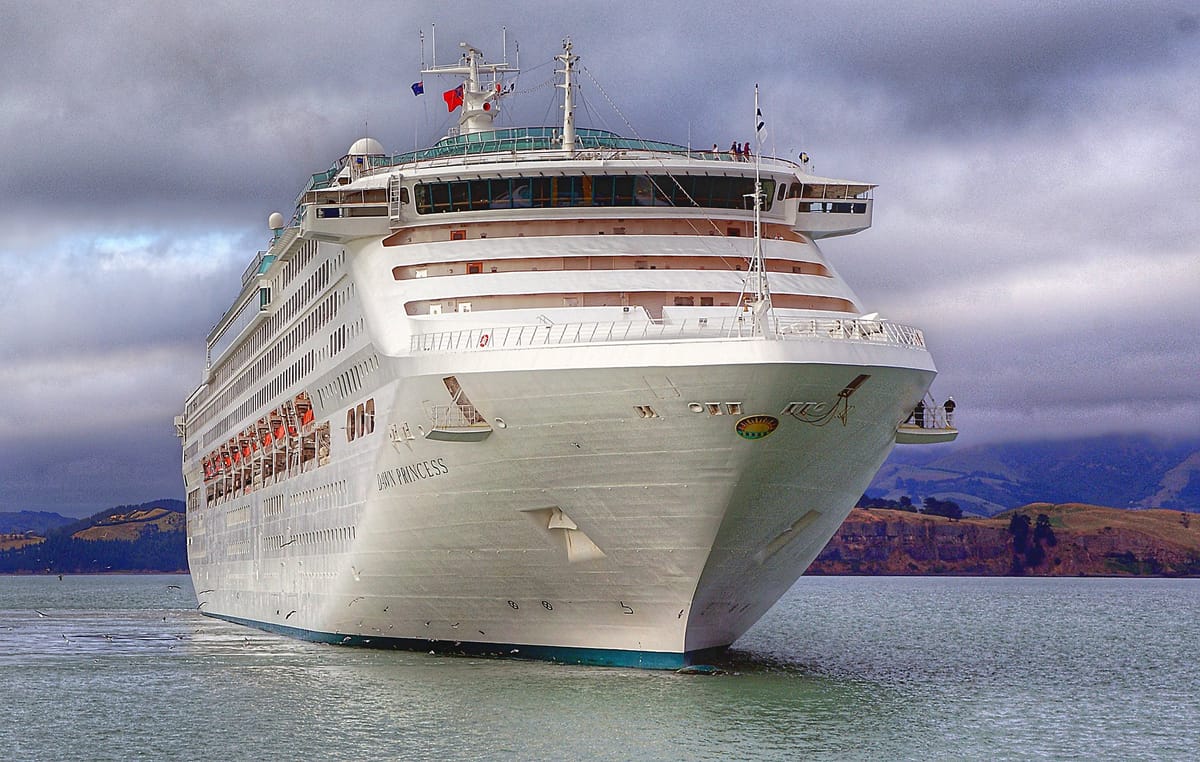
The cruise industry is grappling with public health challenges as 2025 marks a record-breaking year for gastrointestinal illness outbreaks, primarily due to norovirus, alongside isolated incidents of Legionnaires disease. These developments highlight the need for enhanced sanitation protocols and transparent communication to safeguard passenger and crew health.
Norovirus Outbreak Aboard Oceania Insignia
The Centers for Disease Control and Prevention (CDC) confirmed the 20th gastrointestinal outbreak of 2025, reported aboard Oceania Cruises’ Insignia. The ship, currently on an 11-day itinerary from Montreal to Boston, reported on October 20 that 11.6% of its 637 passengers (74 individuals) and one crew member displayed symptoms consistent with norovirus, including vomiting and diarrhea. This outbreak is part of a growing trend, with 15 of the 20 reported outbreaks this year linked to the highly contagious virus.
To manage the outbreak, Oceania Cruises implemented CDC-approved protocols, such as enhanced disinfection of public areas and cabins, isolated affected passengers, and collected stool samples for further testing. "The health and safety of our guests is the number one priority," the cruise line stated in an email, emphasizing its commitment to CDC guidelines. The vessel is expected to finish the voyage as scheduled, docking in Boston on October 27 without delays or itinerary changes.
Legionnaires Disease Cases on Norwegian Epic
In a separate incident, Norwegian Cruise Line issued health alerts to passengers aboard the Norwegian Epic after two individuals previously sailing on the vessel were diagnosed with Legionnaires disease, a severe bacterial pneumonia caused by Legionella bacteria. The 4,100-passenger ship is currently on a 12-night Mediterranean cruise from Rome to Lisbon. Norwegian Cruise Line emphasized that it is collaborating with the CDC to identify potential contamination sources, including water systems such as hot tubs and showers.
Legionnaires disease, which does not spread person-to-person, emerges via water droplets contaminated with Legionella bacteria. Passengers have been advised to monitor for symptoms, such as fever, cough, and shortness of breath, and to seek medical attention immediately if they fall ill. In response, sanitation protocols have been enhanced to include intensified cleaning of water fixtures. The investigation into the sources of contamination is ongoing.
Public Health Oversight and Cruise Industry Challenges
Both norovirus and Legionnaires disease outbreaks underscore the challenges of maintaining stringent health standards aboard large ships with high passenger volumes. The CDC manages outbreaks under its Vessel Sanitation Program (VSP), which mandates notification when 3% or more of passengers or crew report illness. In the case of norovirus, environmental factors such as shared dining spaces and close quarters facilitate the virus's rapid spread.
Norwegian Cruise Line and Oceania Cruises are among several lines that have pledged compliance with VSP standards, which include thorough sanitation training for crew, routine inspections, and preventive maintenance of water and air systems. However, critics argue the industry must invest in further public health measures to counter what they call an "unavoidable" aspect of cruise travel.
The rise in outbreaks comes as cruise travel experiences significant growth; 2025 is expected to see 20.7 million Americans cruising, up from 19.1 million in 2024. Despite these outbreaks, officials note illnesses remain rare compared to the millions who sail each year. Nevertheless, concerns persist about the adequacy of current prevention measures, particularly for more vulnerable passengers such as seniors or those with weakened immune systems.
Frequently Asked Questions (FAQs)
How many gastrointestinal outbreaks have occurred on cruise ships in 2025?
As of October 2025, the CDC has recorded 20 gastrointestinal outbreaks aboard cruise ships, surpassing the previous record of 18 outbreaks in 2024.
What measures do cruise lines implement during norovirus outbreaks?
Cruise lines follow CDC-approved procedures, including increased cleaning of public areas, isolation of symptomatic individuals, collection of samples for testing, and regular consultations with public health authorities.
What is Legionnaires disease and how does it spread?
Legionnaires disease is a severe pneumonia caused by Legionella bacteria, spreading via water droplets from sources such as hot tubs, showers, or fountains. It cannot be transmitted person-to-person.
Are cruise ships safe despite these outbreaks?
The risk of illness aboard cruise ships remains relatively low, with thorough sanitation protocols and CDC oversight in place. Passengers are encouraged to practice good hygiene and report symptoms promptly.
What should passengers do if they fall sick during a cruise?
Travelers should report symptoms immediately to the ship’s medical center, follow isolation guidelines, and maintain stringent hand hygiene to limit the spread of illness.