Royal Caribbean Debuts Star of the Seas as Efficiency Testbed
As cruise lines race to prove cleaner cruising can scale, Royal Caribbean is treating Star of the Seas as a floating lab to turn real performance data into fleetwide upgrades.
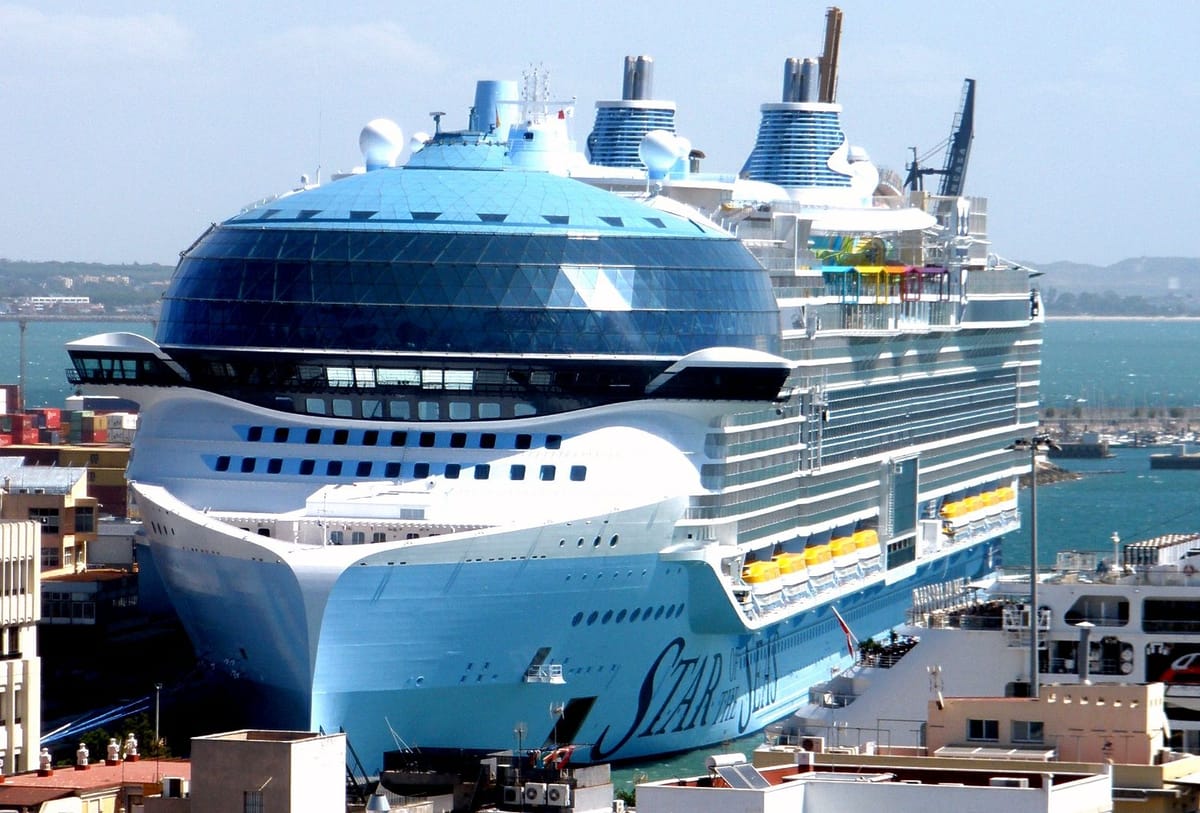
Royal Caribbean International has placed its second Icon-class ship, Star of the Seas, into service, positioning the newbuild as a test case for energy-efficiency measures the company says can be scaled across future ships and retrofits. Nick Rose, Royal Caribbean’s associate vice president of environmental programs, said the vessel is about 24 percent more efficient than the line’s earlier Oasis-class ships.
Star of the Seas entered service in August 2025 from Port Canaveral, Florida, after being built at the Meyer Turku shipyard in Finland. The ship is nearly 250,000 gross tons, measures 364 meters and is designed to carry 5,600 passengers across 2,805 staterooms, supported by 2,350 crew members.
How Royal Caribbean is framing the ship’s efficiency gains
Rose attributed the ship’s improved energy performance to a combination of design and operational changes, including a newly streamlined hull, liquefied natural gas (LNG) propulsion and upgraded waste heat recovery. He said Star of the Seas builds on lessons from its sister ship, Icon of the Seas, which debuted in 2024.
While the year-over-year changes between sister ships can look incremental, Rose said the accumulated improvements across a ship class can become meaningful over time. He added that Royal Caribbean is using those gains to shape both new construction and fleet upgrades.
LNG propulsion and energy recovery systems
Rose described LNG as “a significant game changer,” arguing it supports stronger energy performance even though LNG storage requires additional space. He said LNG used on these ships is chilled to about minus 260 degrees Fahrenheit.
He also tied LNG operations to energy-recovery opportunities onboard. In his remarks, Icon of the Seas and Star of the Seas are designed not only to capture waste heat, but also to make use of energy associated with the cooling process required for LNG.
Waste-to-energy, hotel-load controls and onboard automation
Because the ship is designed around gaseous fuel operations, Rose said it also incorporates systems intended to convert waste into usable energy, including Microwave-Assisted Pyrolysis and Micro Auto Gasification. He framed those technologies as one component of a broader efficiency package rather than a standalone answer to shipboard energy demand.
On the operational side, Rose highlighted Star of the Seas’ “low port-mode energy” capability, which targets energy use when guests are off the ship. He said the system can adjust stateroom lighting and HVAC settings, and that Royal Caribbean is using machine learning to help determine when someone has left the vessel so conditions can be managed without relying solely on manual controls.
Using performance data to inform retrofits and future ships
Rose said Royal Caribbean is working with external experts, the shipyard and third-party vendors to review performance information and feed it into analytical models. He described a retrofit program intended to apply that data-driven work to existing vessels, alongside the same approach informing decisions on new builds.
After establishing data collection, Rose said the next step was teaching an AI tool to interpret the information and generate recommendations, with the system spanning energy, air and water.
Water systems designed for full onboard supply
In addition to energy-focused changes, Rose pointed to water production as an area where Star of the Seas is designed to operate efficiently. He said the ship can produce 100 percent of its own water using an efficient reverse osmosis system, with an emphasis on optimized production and reduced consumption, although he did not provide daily output figures.
A wider wave of new ship deliveries across cruise segments
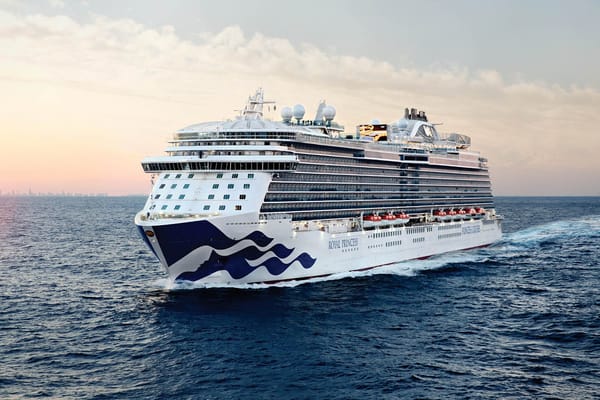
Star of the Seas is arriving as multiple brands take delivery of new ships, with LNG and energy-management upgrades appearing across several programs. Princess Cruises launched Star Princess in September 2025 following a two-month delay, expanding its LNG-powered Sphere-class series with a ship built by Fincantieri that includes features such as a geodesic dome and a multi-functional sports court. Disney Cruise Line is also adding LNG-powered capacity with Wish-class ships Disney Destiny and Disney Adventure, both built by Meyer Werft and each designed to carry 6,000 passengers.
Elsewhere in the ocean market, Celebrity Cruises is preparing for the arrival of Celebrity Xcel, the fifth ship in its Edge Series, which is slated to start itineraries from Fort Lauderdale in November 2025.
Newbuild activity is also extending beyond large resort-style ships. American Cruise Lines has launched American Patriot, the first Patriot-class vessel, with design changes that include deeper drafts and advanced stabilizations for smoother coastal voyages, and the company expects sister ship American Pioneer to join later in 2025. Viking River Cruises has taken delivery of Viking Tonle for the Mekong River, with design elements that include a 360-degree view pool and an open-air Sky Bar.
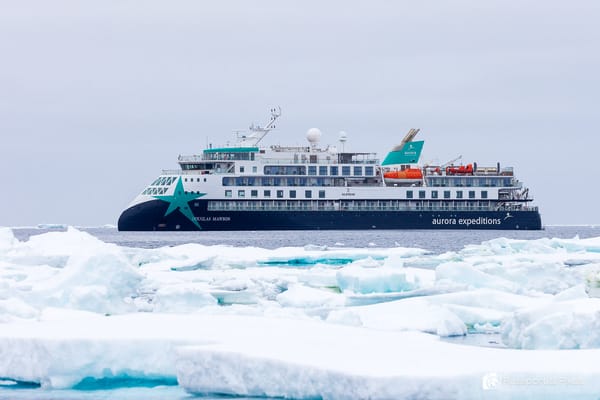
In expedition cruising, SunStone Maritime Group has launched Douglas Mawson, the seventh and final ship in its Infinity-class series. The vessel uses Ulstein’s X-Bow design and meets Ice Class 1A and Polar Class 6 certifications. In the luxury segment, Windstar Cruises is set to debut the Star Seeker yacht in December 2025, while Four Seasons Yachts plans to launch Four Seasons I, a 34,000-gross-ton newbuild built by Fincantieri, in January 2026.
With Star of the Seas already operating from Port Canaveral, Rose framed the next phase as turning early performance data into practical operational adjustments, then applying those lessons to retrofits and upcoming ships across the fleet.
Frequently Asked Questions (FAQs)
How much more efficient is Star of the Seas expected to be?
Nick Rose, Royal Caribbean’s associate vice president of environmental programs, said Star of the Seas is about 24 percent more efficient than the line’s earlier Oasis-class ships.
Can Star of the Seas make all of its own fresh water?
Yes. Rose said the ship can produce 100 percent of its own water using an efficient reverse osmosis system designed to optimize production and reduce consumption.
When did Star Princess launch after its delay?
Princess Cruises’ Star Princess debuted in September 2025 after a two-month delay, expanding the line’s LNG-powered Sphere-class series.
When will Four Seasons I begin operations?
Four Seasons I is scheduled to enter service in January 2026 as the first newbuild for Four Seasons Yachts, with the 34,000-gross-ton ship built by Fincantieri.