PortMiami Faces Fuel Supply Uncertainty After Fisher Island Depot Sale
As PortMiami navigates the loss of its main fuel depot, county leaders balance urgent supply concerns with calls to modernize infrastructure and safeguard billions in economic activity.
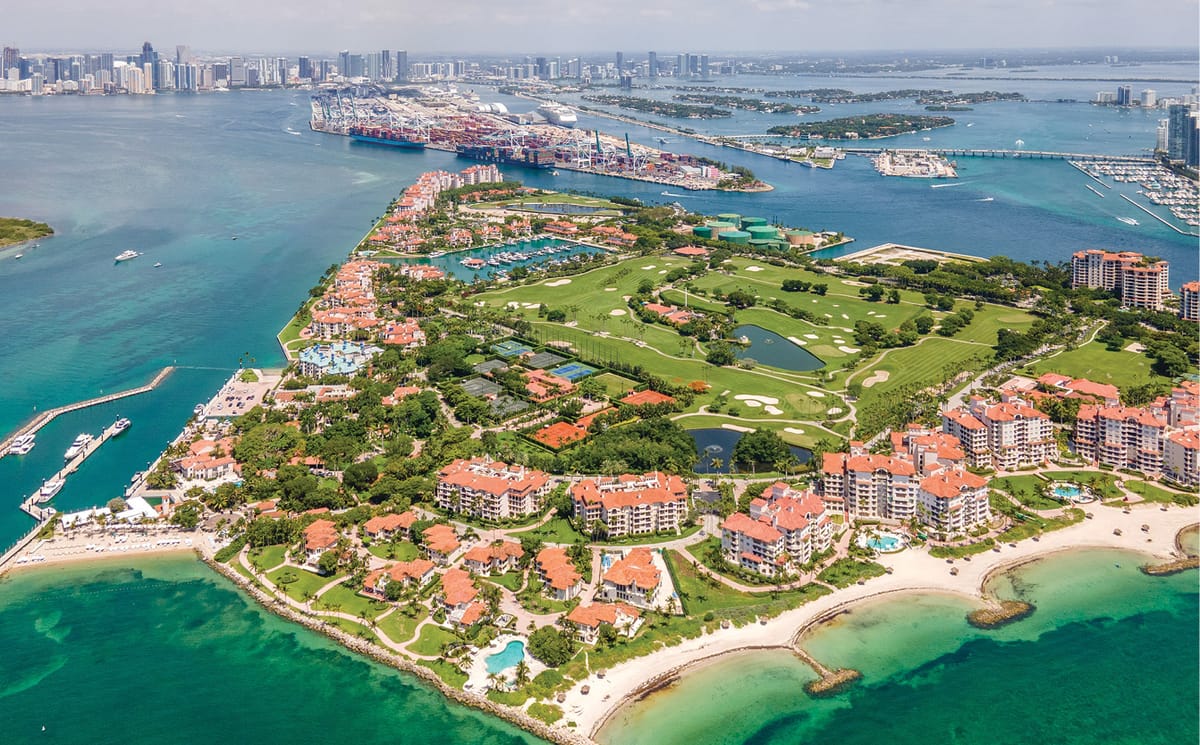
PortMiami, widely recognized as the "Cruise Capital of the World," is grappling with a pivotal challenge to secure its fuel supply following the recent sale of its sole bunker fuel depot on Fisher Island. The facility's acquisition by real estate investor HRP Group, which plans to convert the site into luxury housing, has ignited significant concern among Miami-Dade County officials, cruise industry leaders, and related stakeholders. Ensuring the continuous operation of cruise and cargo activities remains the top priority as decision-makers explore both immediate and long-term solutions.
Fuel Supply Crisis Sparked by Fisher Island Sale
The Fisher Island terminal, previously owned and operated by TransMontaigne, serves as PortMiami's exclusive source of bunker fuel, with a storage capacity of up to 700,000 barrels. TransMontaigne completed the $180 million sale of the site on October 13, entering into a leaseback contract to maintain operational control temporarily. However, the duration of this arrangement remains unclear, casting doubt over the long-term viability of the port’s fuel supply.
In the wake of the sale, HRP proposed a $200 million investment to construct a new fuel depot on the port for TransMontaigne. This marks an improvement over earlier long-term lease proposals, which would have cost the county over $1 billion over several decades. Despite the updated offer, county officials, including Mayor Daniella Levine Cava, have expressed caution, citing the absence of guarantees and the high stakes involved for the local economy and global cruise operations.
Proposed Solutions to Safeguard Fuel Access
During a Miami-Dade County Board of Commissioners meeting on October 9, Mayor Levine Cava underscored the "critical importance" of addressing the fuel supply challenge. She outlined three primary options under consideration:
- Negotiating the purchase of the Fisher Island depot from HRP Group or acquiring it through eminent domain.
- Constructing a new on-port fuel facility at Dodge Island, though this faces logistical and operational constraints.
- Identifying an off-port alternative that meets cost, timeline, and operational reliability criteria.
A comprehensive report evaluating these alternatives was requested by the Board and is due within 15 days of the October 9 meeting. Additionally, mediation between the county and HRP Group is scheduled for October 21 to explore potential agreements.
Industry Voices Call for Reliability and Speed
The sale has raised alarms throughout the cruise industry, with leaders advocating for decisive action to ensure their operations remain unimpeded. Jason Liberty, President and CEO of Royal Caribbean Group, emphasized the critical need for "certainty and affordability" in fuel access, noting that deployment planning for cruise itineraries occurs 18 to 24 months in advance. Liberty warned that constructing a new facility could take up to a decade, complicating immediate needs and necessitating an interim solution.
"The issue for us at hand is the certainty element. Without that fuel farm, it’s tough to certify that fuel will be available to us," Liberty told Miami-Dade commissioners. Other prominent cruise industry figures, including executives from Carnival Corporation, MSC Cruises, Norwegian Cruise Line Holdings, and Virgin Voyages, echoed similar concerns during recent meetings.
Balancing Modernization and Environmental Stewardship
While the sale of the Fisher Island terminal has created operational uncertainty, some officials view the crisis as an opportunity to modernize PortMiami's infrastructure. Commissioner Raquel Regalado has championed the development of a resilient, environmentally responsible fuel supply system. She has advocated for an on-port fuel facility that aligns with energy independence and environmental goals, citing Dodge Island's existing designation for logistics and infrastructure as a suitable location for such a project.
"The next chapter of PortMiami's growth should not be about buying an old fuel farm; it should be about building modern infrastructure, creating green jobs, and protecting Biscayne Bay," Regalado stated. She also pointed out that Biscayne Bay's ecosystem demands stricter environmental safeguards for any new infrastructure developments, highlighting the importance of aligning efforts with the county’s previous investments in sustainable shore power systems.
Economic Stakes for PortMiami
The potential fallout from the fuel supply crisis extends beyond operational disruptions. PortMiami’s cruise and cargo sectors collectively contribute $61.4 billion annually, support over 340,000 jobs, and generate $2.2 billion in tax revenue. Cruise lines, which serve as a gateway to the Caribbean for millions of passengers, fear that interruptions in fuel availability could lead to lost itineraries, scheduling complications, and increased logistical costs, threats that could undermine PortMiami's competitiveness globally.
Amid mounting pressure, Mayor Levine Cava urged expedited action to mitigate mid- and long-term risks to Miami-Dade County's economy. "We must have a long-term solution in which the port can own and control its fuel supply to support its continued growth," she emphasized.
Frequently Asked Questions (FAQs)
Why is the Fisher Island fuel depot essential for PortMiami?
The depot serves as PortMiami’s only source of bunker fuel, storing up to 700,000 barrels to support cruise and cargo operations. Its secure fuel supply is vital for sustaining the port’s global status and local economic impact.
What led to the sale of the fuel terminal?
TransMontaigne sold the facility for $180 million to HRP Group, which plans to redevelop the site into luxury housing. The sale was part of efforts by TransMontaigne to settle debt obligations.
What are Miami-Dade County's proposed solutions?
Options include purchasing the Fisher Island terminal, acquiring it through eminent domain, or building a new on-port or off-port fuel facility. Mediation with HRP Group on October 21 will play a key role in determining a path forward.
What are the immediate and long-term challenges for cruise lines?
Cruise lines require certainty and affordability in accessing fuel. While they are open to various solutions, the potential decade-long development of a new fuel facility poses challenges for immediate operational planning.
How does this issue align with environmental goals?
Miami-Dade County officials are emphasizing the integration of sustainable practices, including resilient infrastructure and cleaner energy sources, to balance economic growth with environmental stewardship in sensitive areas like Biscayne Bay.