Portland to Raise Cruise Ship Passenger Fees Starting Jan. 2027
Portland is joining a growing list of United States ports using cruise pricing to pay for waterfront wear and nudge cleaner operations, raising the bar for big-ship calls.
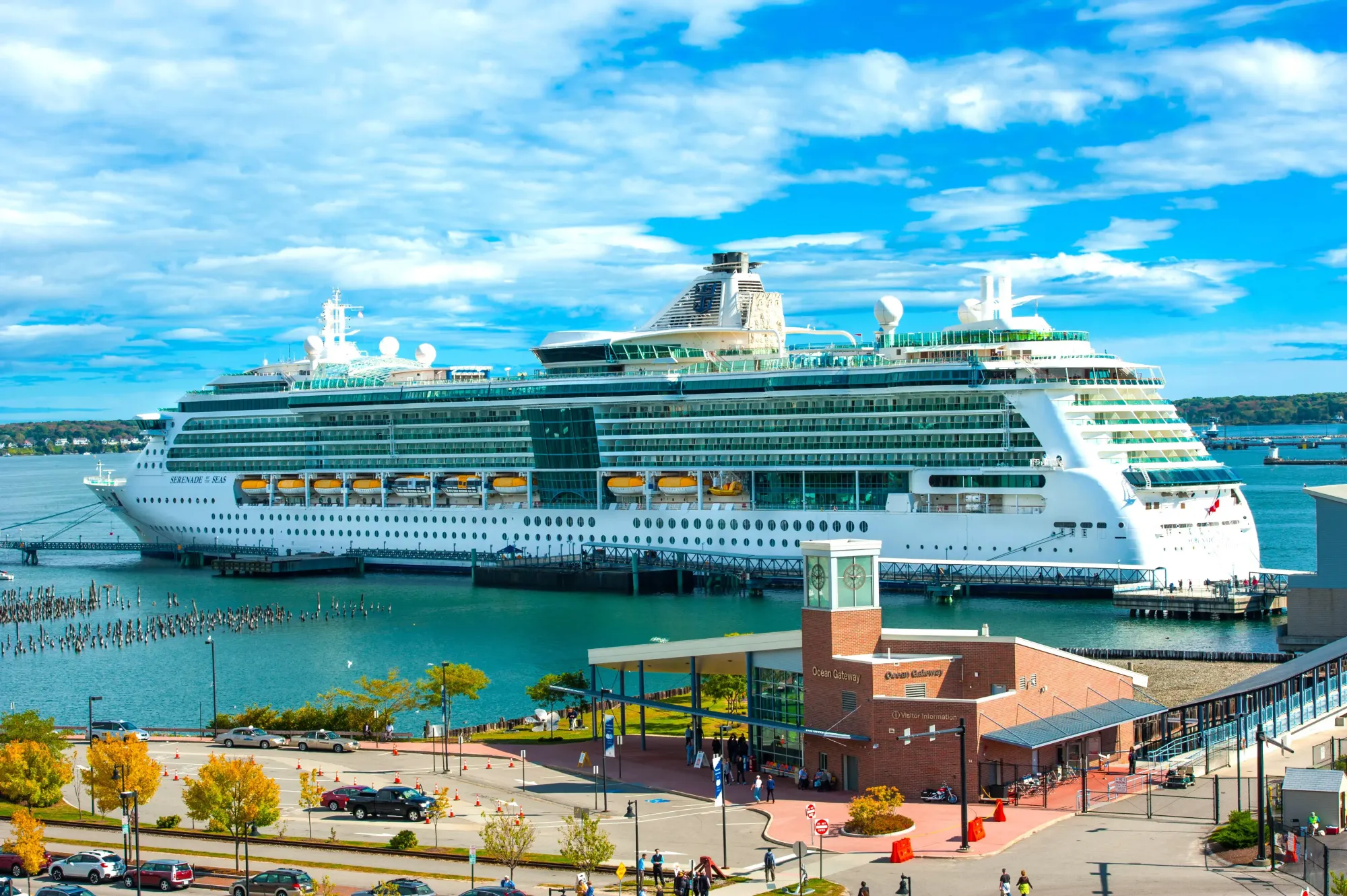
Portland, Maine, will begin charging cruise ships higher per-passenger fees on Jan. 1, 2027, under an updated port tariff schedule known as Tariff 11, while offering a per-passenger discount to ships that use qualifying low-sulfur fuel at berth.
Tariff 11 approval and where it applies
The Portland City Council approved Tariff 11 on Feb. 19, 2026. The new schedule replaces the city’s current Tariff 10 and sets updated rates, rules, and regulations for cruise ships using City of Portland-owned facilities at the Portland Ocean Terminal at the Maine State Pier and the Ocean Gateway Terminal.
City leaders have framed the changes as a way to support waterfront infrastructure needs as Portland continues to see heavy cruise demand, while also responding to concerns about emissions and other environmental impacts in Portland Harbor and Casco Bay.
How the per-passenger charges will rise through 2030
Under Tariff 11, Portland will increase two key passenger-based charges with annual increases planned through 2030, including provisions that apply to ships carrying more than 1,000 passengers. City officials have said the higher infrastructure fee is tied to funding needs for current projects and future waterfront improvements.
- Per-passenger cruise ship tariff: Increasing from $18 per passenger to $24 per passenger by 2030, with gradual annual increases during the period.
- Annual per-passenger infrastructure fee: Increasing from $3 per passenger to $7 per passenger by 2030, with the city tying the added revenue to support for waterfront facilities.
Officials have projected that the new schedule could bring in several million dollars more each year in port revenue as higher-capacity ships continue to call in Portland.
A $2 per-passenger discount aimed at cleaner fuel use in port
A central element of Tariff 11 is an environmental incentive designed to reduce the use of heavy fuel oil while ships are docked or anchored in Portland Harbor. Ships that use low-sulfur fuels that meet International Maritime Organization standards, including Marine Gas Oil, will receive a $2 discount per passenger.
City Manager Danielle West said the discount was added after input from the City Council’s Sustainability & Transportation Committee and the public. “We took seriously the feedback… that it was important to find a way to encourage ships to use low sulphur fuels while they’re at berth,” West said. “We’re optimistic that adding these discounted rates will help us move toward that goal.”
Shore power is not available, and scrubber discharge remains on the city’s agenda
Portland does not currently offer shore power for cruise ships, meaning vessels calling at the port generally must run engines or generators to produce onboard electricity while in port. As a result, the city’s incentive focuses on the type of fuel used at berth rather than plugging into shoreside electrical power.
Separately, the Sustainability & Transportation Committee has been reviewing options related to exhaust gas cleaning systems (EGCS), commonly referred to as scrubbers. Committee members have raised concerns about the discharge of “washer water” associated with these systems into Portland Harbor, and the issue is included on the committee’s 2026 work plan.
District 3 City Councilor Regina Phillips, chair of the Sustainability & Transportation Committee, said the committee has discussed eliminating scrubber washwater discharge into Casco Bay. “I’m thankful these discounted rates have been added to help encourage the use of cleaner fuels,” Phillips said.
Local advocacy groups, including Portland Cruise Control, have also pushed for stricter measures related to scrubber wastewater discharge, citing potential risks to marine ecosystems.
Cruise traffic and what higher tariffs could mean for port revenue and passenger costs
Portland hosted about 100 cruise ship visits in 2025, with calls typically spanning from spring through late fall. Larger vessels visiting the port have carried more than 4,000 passengers.
Among the larger ships cited as calling in Portland are MSC Cruises’ MSC Meraviglia (4,488 passengers at double capacity), Norwegian Cruise Line’s Norwegian Breakaway (3,903), and Princess Cruises’ Majestic Princess (3,560). With passenger volumes at that scale, even incremental per-passenger increases can translate into meaningful additional revenue for port operations.
District 2 City Councilor Wes Pelletier said the city is trying to pair waterfront funding with an environmental incentive. “These changes will help fund our working waterfront while incentivizing cruise ships to keep Casco Bay clean,” Pelletier said.
As with other port charges, the increased tariffs are typically folded into the taxes and fees cruise passengers pay as part of their booking, which can contribute to higher overall cruise costs for guests on itineraries that include Portland.
Portland’s move alongside broader shifts in cruise port policy
Portland’s updated cruise fees follow a broader pattern among U.S. ports and destinations weighing the infrastructure and environmental impacts of cruise tourism. Juneau, Alaska, has recently increased passenger fees to fund environmental mitigation and services, and Hawaii lawmakers have proposed a “Green Fee” aimed at cruise guests for climate resilience initiatives.
Elsewhere in Maine, Bar Harbor voters approved limits capping daily passenger disembarkations at 1,000, a policy that has faced ongoing legal challenges tied to its impact on tourism and local businesses.
Tariff 11 is scheduled to take effect Jan. 1, 2027, with annual increases planned through 2030 and a standing discount for ships that use qualifying low-sulfur fuel while docked or anchored in Portland Harbor. In the meantime, the Sustainability & Transportation Committee is set to continue its work on scrubber-related discharge issues as part of its 2026 agenda.
Frequently Asked Questions (FAQs)
What is Tariff 11, and when does it take effect?
Tariff 11 is Portland, Maine’s updated port fee schedule for cruise ships. The Portland City Council approved it on Feb. 19, 2026, and it is set to take effect on Jan. 1, 2027, replacing the current Tariff 10.
How much will cruise ship fees increase?
Under Tariff 11, Portland’s per-passenger tariff is scheduled to rise from $18 to $24 by 2030. The city’s annual per-passenger infrastructure fee is set to increase from $3 to $7 by 2030.
How can a cruise ship qualify for Portland’s $2 per-passenger discount?
Ships can receive the discount by using low-sulfur fuels that comply with International Maritime Organization standards, including Marine Gas Oil, while docked or anchored in Portland Harbor.
Will cruise lines pass these fees on to passengers?
Port charges like these are typically incorporated into the taxes and fees paid by cruise passengers as part of their booking, meaning higher tariffs can contribute to higher overall cruise costs for guests on itineraries that call on Portland starting in 2027.