Ponant Unveils Swap2Zero: Next-Gen Near-Zero Emissions Cruise Ship by 2030
Ponant’s Swap2Zero project brings together major EU-backed partnerships and pioneering decarbonization technology, signaling wider shifts toward sustainability across the maritime industry.
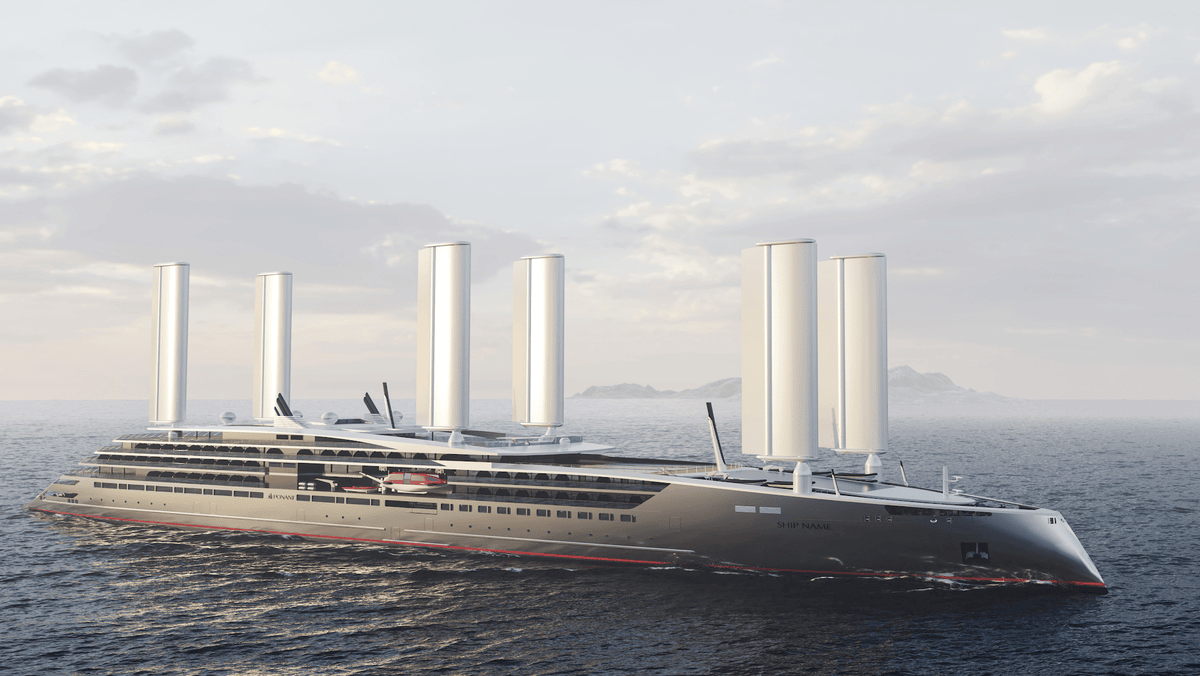
France-based luxury cruise operator Ponant has unveiled its ambitious vision for sustainable maritime travel with the announcement of the Swap2Zero project, a next-generation cruise ship designed to achieve near-zero emissions. This groundbreaking initiative, co-funded by the European Union's Innovation Fund and the France 2030 program, is set to redefine the cruise industry with cutting-edge technologies and a strong commitment to environmental responsibility. The vessel is expected to set sail by 2030, offering an intimate, high-end experience for 400 passengers while pioneering unparalleled advancements in decarbonization.
Integrated Technologies Powering Swap2Zero
The Swap2Zero project is centered around the integration of six advanced decarbonization technologies, creating a comprehensive energy system aimed at minimizing greenhouse gas emissions. Key components include:
- Wind-Assisted Propulsion: A sail-based system designed to supply approximately 50% of the vessel's propulsion energy using wind power.
- Solid Oxide Fuel Cells (SOFC): Provided by U.S.-based Bloom Energy, these high-efficiency fuel cells generate electricity from liquefied natural gas (LNG), emitting significantly less CO2 than traditional systems.
- Proton Exchange Membrane (PEM) Fuel Cells: Operating on liquid hydrogen, these fuel cells provide zero-emission propulsion, with heat and water byproducts recycled for onboard use.
- Marine Carbon Capture (MCC): Developed by French engineering firm GTT, this technology captures CO2 from exhaust gases for onboard storage or reuse.
- Integrated Solar Panels: More than 1,000 square meters of photovoltaic panels, including eco-designed organic solar devices, are embedded into the ship's structures and sails.
- Energy Management System: A bespoke system optimizes onboard power distribution, eliminating the need for auxiliary generators and increasing efficiency through cryogenic LNG energy recovery.
This multifaceted approach is expected to reduce greenhouse gas emissions by 80%, with a target of achieving carbon-neutral operations during navigation, maneuvering, docking, and anchoring, all dependent on fuel availability and routing conditions. Across the ship’s lifecycle, the Swap2Zero initiative aims to avoid approximately 105,000 tonnes of CO2.
Sustainability and Research Initiatives
As part of Ponant's broader decarbonization efforts, the 2024 Sustainability Report highlights progress made so far, including a 14% reduction in CO2 emissions per cruise day compared to 2018 levels. This achievement is a stepping stone toward Ponant's climate objectives of a 30% reduction by 2030 and Net Zero emissions by 2050. Other notable efforts include:
- The elimination of single-use plastics onboard, preventing 20 tonnes of waste annually.
- 100% onboard waste sorting, with collaborative port initiatives aiming to recover 50% of waste by 2026.
- An increase in water self-sufficiency through onboard systems that produce drinking water from seawater.
Complementing its environmental focus, Ponant’s ships also function as floating research platforms through the Ponant Science program, launched in 2021. With over 230 researchers hosted and 10 studies published, the program has supported projects focusing on climate change, biodiversity, and pollution research in remote ecosystems. Notable missions have included arctic environmental surveys and the study of seagrass habitats in Polynesia.
"With four additional ships hosting scientific missions, we have increased the number of research projects and broadened our geographical reach; 2024 marked a real turning point," said Dr. Megan Clampitt, Ponant's head of science.
Public-Private Collaboration and Industry Impacts
The Swap2Zero project is being developed in partnership with innovative firms, including Bloom Energy and GTT. These collaborations highlight the growing trend of public and private entities coming together to advance sustainability in the maritime sector. The €40 million grant secured from the European Union Innovation Fund marks a significant investment in fostering carbon neutrality.
Mathieu Petiteau, Ponant’s Director of New Constructions and R&D, emphasized the importance of partnerships in decarbonization. "This partnership is a key milestone in developing innovative and efficient ways to capture CO2 and embodies our commitment to finding new solutions to decarbonizing the maritime industry."
Bloom Energy's Chief Commercial Officer Aman Joshi added, "This initiative exemplifies how innovation and collaboration can accelerate the transition to cleaner, more sustainable shipping."
The hybrid technologies deployed on the Swap2Zero vessel are expected to establish a new benchmark for the global cruise industry. Industry experts predict that these systems could be adapted for use beyond cruising, potentially transforming cargo shipping, scientific vessels, and luxury yachts.
Frequently Asked Questions (FAQs)
What is Swap2Zero?
Swap2Zero is Ponant's revolutionary cruise ship project integrating six decarbonization technologies, including wind-assisted propulsion, PEM and SOFC fuel cells, marine carbon capture, and solar power, to achieve near-zero emissions.
When will the ship launch?
The Swap2Zero vessel is expected to enter service by 2030, following comprehensive development, prototype validation, and regulatory approvals.
How does Swap2Zero reduce emissions?
The project combines wind propulsion, high-efficiency fuel cells, on-board carbon capture, and advanced energy management to reduce greenhouse gas emissions by approximately 80%, targeting near-zero emissions during voyage operations.
What sustainability goals has Ponant achieved?
The company has reduced CO2 emissions per cruise day by 14% compared to 2018, eliminated single-use plastics across its fleet, achieved 100% onboard waste sorting, and expanded drinking water production systems.
How does the Ponant Science Program contribute to environmental research?
The program hosts researchers aboard Ponant ships, providing access to remote ecosystems for studies in climate change, biodiversity, and pollution. It has contributed to 10 scientific publications and supports long-term environmental monitoring efforts.