Passenger Overboard From Norwegian Jewel Spurs Search, Safety Discussions
The overboard incident aboard Norwegian Jewel has renewed debate over cruise ship safety protocols and highlighted difficulties of maritime rescues far from shore on transatlantic voyages.
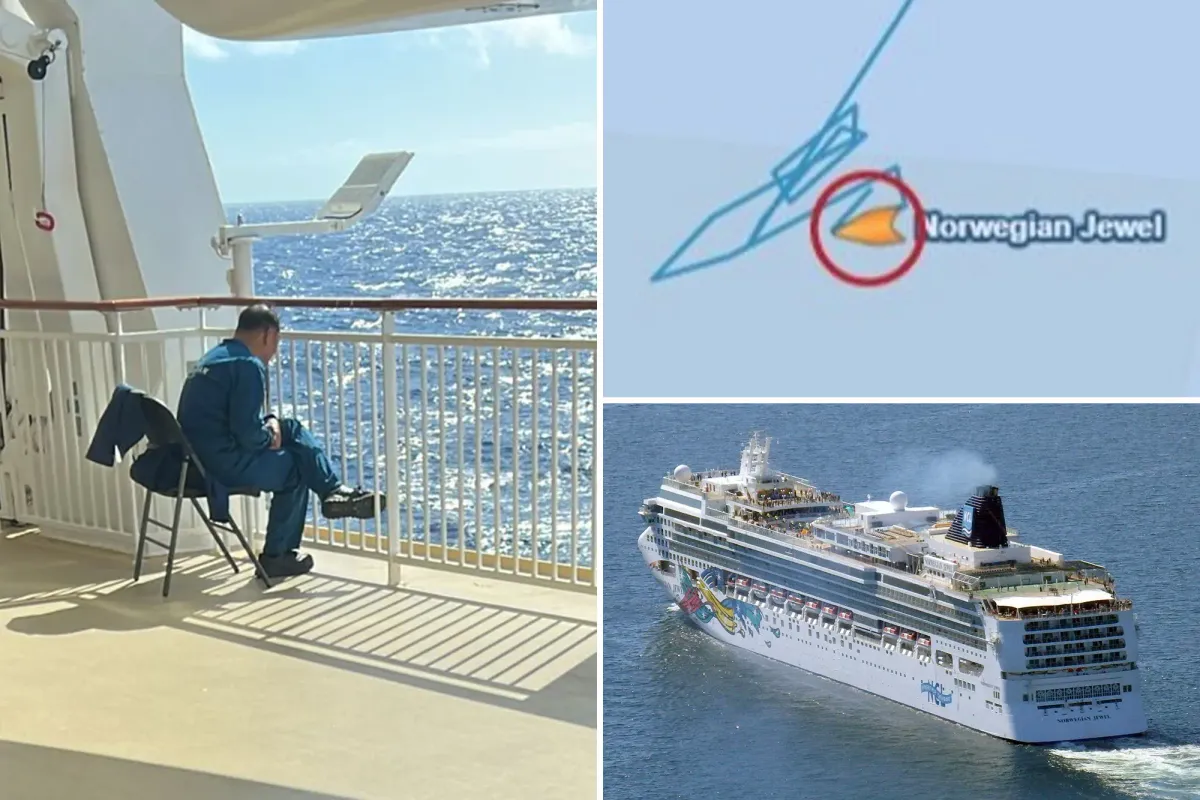
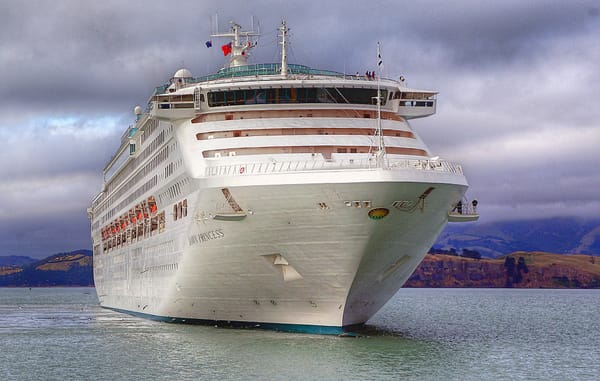
An extensive search and rescue operation was launched after a passenger aboard Norwegian Cruise Line's Norwegian Jewel went overboard in the early hours of October 21, 2025. The incident occurred during the ship's transatlantic voyage from Ponta Delgada, Portugal to Miami, prompting an emergency response coordinated between the ship's crew, nearby vessels, and Portuguese authorities. After more than 10 hours of efforts, the search was suspended, and the ship resumed its voyage.
Emergency Declaration: Code Oscar Activated
The emergency began at roughly 2:00 a.m. local time when passengers aboard the Norwegian Jewel were awakened by an announcement of "Code Oscar starboard," the maritime signal for a person overboard. The 93,502-gross-ton ship, carrying 2,368 passengers and 1,069 crew members on a 12-night repositioning cruise from Barcelona to Miami, immediately initiated search-and-rescue protocols. The crew informed passengers to remain indoors and calm as the ship began circling the location approximately 188 miles off the Azores in international waters.
Challenges in Search and Rescue
The incident's timing and remote location significantly complicated rescue efforts. According to satellite tracking, Norwegian Jewel executed zig-zag search patterns throughout the night and into daylight hours. Darkness, potential rough seas, and the lack of automatic man-overboard detection (MOB) technology on the aging vessel posed additional challenges.
Portuguese maritime authorities and the National Maritime Authority deployed aerial assets and maritime units to assist, while cargo ships in the vicinity joined the search. However, after over 10 hours of combing the area, the search was called off, and the vessel resumed its course toward Miami at its usual cruising speed of over 20 knots.
Spotlight on Cruise Ship Safety
The incident has reignited discussions about passenger safety measures aboard cruise ships, especially older vessels like Norwegian Jewel, which was launched in 2005. While many modern cruise ships are equipped with MOB technology that uses cameras and sensors to immediately alert crew members of an overboard event, older vessels often rely on traditional visual observation and eyewitness reports. These gaps underscore the importance of upgrading safety systems, particularly for ships routinely sailing remote routes such as transatlantic crossings.
According to the Cruise Lines International Association (CLIA), the cruising industry operates under stringent international safety standards, encompassing railing height, anti-climb barriers, and regular safety drills. From 2009 to 2019, only 212 man-overboard incidents were recorded compared to the millions of passengers who sail each year. However, survival rates are low, as only 28% of overboard incidents lead to successful rescues, per industry data. Factors such as water temperature, time of rescue, and the immediate response of other vessels heavily influence outcomes.
Cruise Itinerary and Passenger Reaction
The Norwegian Jewel, which departed Barcelona on October 15, had already completed stops in Cadiz, Spain, and Ponta Delgada in Portugal before continuing its journey westward. Despite the extended search effort, the ship remains on schedule to arrive in Miami on October 27, 2025. Passengers onboard shared their somber reflections, with one commenting, "It’s a devastating thing to have happen, and I can’t even imagine what the family of the individual must be feeling." While Norwegian Cruise Line has reportedly provided support to the impacted family, more details about the incident remain pending as investigations continue.
Frequently Asked Questions (FAQs)
What happened on the Norwegian Jewel?
In the early hours of October 21, 2025, a passenger was reported overboard from the Norwegian Jewel while it sailed approximately 188 miles off the Azores in the North East Atlantic. The ship initiated search-and-rescue operations that lasted over 10 hours, with assistance from Portuguese authorities and nearby vessels. The search was ultimately unsuccessful, and the ship resumed its transatlantic itinerary.
Why was the search called off?
A search is typically suspended after authorities and the ship’s captain determine that the likelihood of locating the individual alive is extremely low, factoring in conditions such as time elapsed and water temperature. In this case, the search continued for over 10 hours before being discontinued.
Do cruise ships have systems to detect overboard incidents?
Some modern cruise ships are equipped with man-overboard detection (MOB) systems that use sensors and cameras to detect falls and immediately alert crew members. However, older vessels, such as the 20-year-old Norwegian Jewel, may lack such technology, relying instead on visual observation or reports from witnesses.
How common are overboard incidents on cruise ships?
Overboard incidents are rare. According to CLIA data, fewer than 20 man-overboard events occur annually, a negligible number compared to the millions of passengers who sail each year. Most incidents are attributed to intentional or reckless actions rather than accidents.
What should passengers do if they witness someone going overboard?
Passengers are urged to immediately notify the crew by shouting "Man overboard" and alerting nearby staff. Throwing a flotation device into the water, if accessible, can provide additional support to the person in distress. However, individuals are advised not to jump into the water themselves, as this could escalate the emergency.