Officials Confirm Chelan Hantavirus Case Unrelated to Cruise Outbreak
Officials said the patient was likely exposed in or near a residence where mice may have been present; Washington typically records one to five cases a year.
Chelan-Douglas Health District has confirmed a hantavirus case in Chelan County, Washington, while saying it found no correlation with the Andes hantavirus outbreak tied to Oceanwide Expeditions’ expedition ship MV Hondius. District officials said the person was likely exposed in or near a residence where mice may have been present.
Dr. James Wallace, public health officer for the Chelan-Douglas Health District, said Washington typically records one to five hantavirus cases a year. The local case is separate from the ship-linked investigation that has led to international isolation, quarantine and monitoring measures following a South Atlantic voyage.
Cruise-linked investigation remains separate
The separate Washington case reported by Chelan-Douglas involved Sin Nombre hantavirus, which the Centers for Disease Control and Prevention identifies as the most common cause of hantavirus cardiopulmonary syndrome in North America. It is associated with deer mice and exposure to rodent saliva, urine or droppings.
The Hondius outbreak has been associated with Andes virus, the only hantavirus with documented person-to-person transmission, though that spread is considered rare. Most hantaviruses are not known to spread between people.
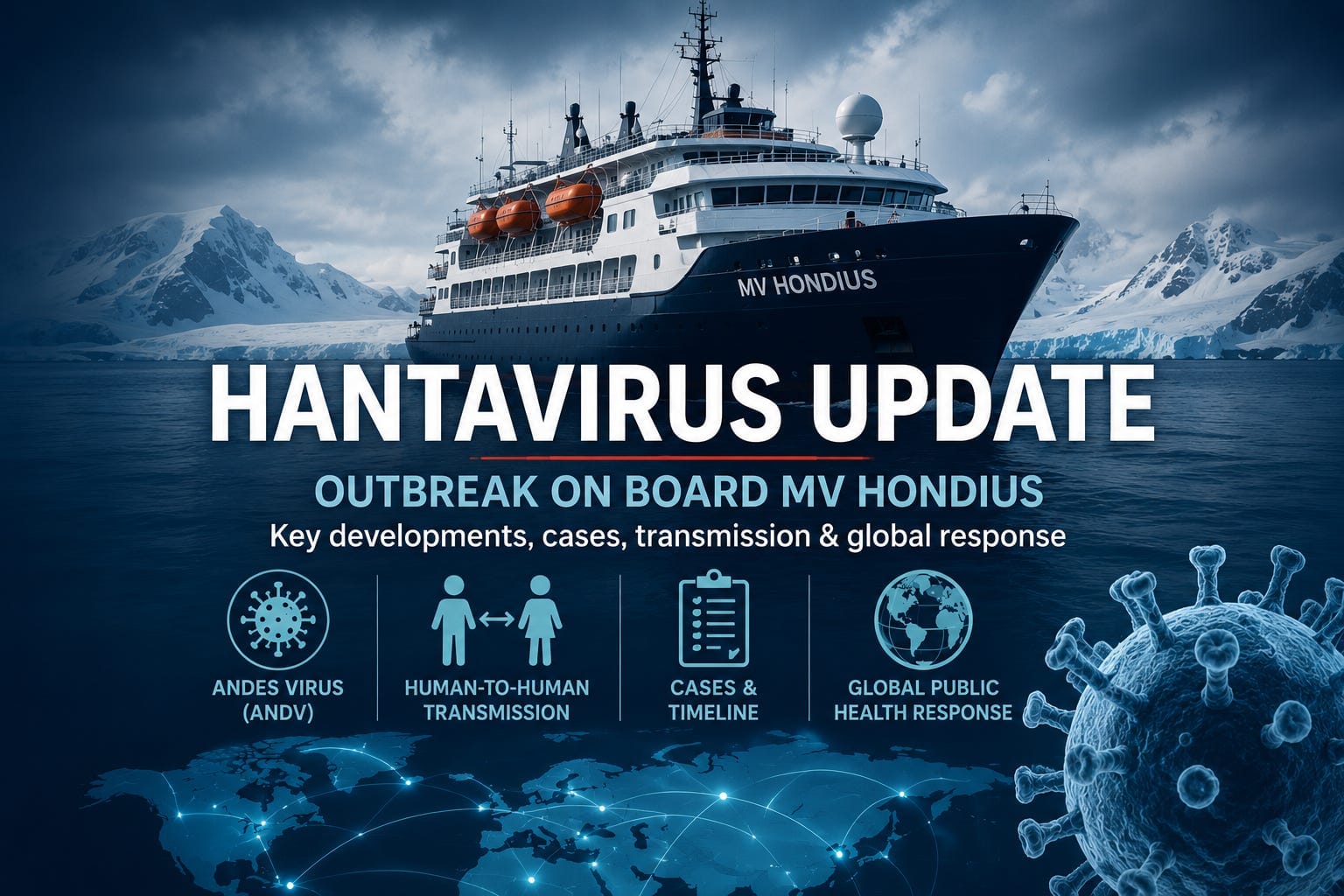
The outbreak linked to Hondius began after the Dutch cruise ship, carrying 147 passengers and crew, departed Argentina on April 1 for a South Atlantic voyage. As of May 13, the World Health Organization had identified 11 ship-associated cases, including eight confirmed cases, two probable cases and one inconclusive case; three people connected to the outbreak had died.
Canadian health officials confirmed that one of four Canadians who returned from Hondius tested positive for hantavirus. The Public Health Agency of Canada said “the overall risk to the general population in Canada” from the ship-linked Andes outbreak remained low, while WHO assessed the risk to the global population as low and noted evidence suggesting further transmission may have occurred onboard.
Fox News senior medical analyst Dr. Marc Siegel contrasted hantavirus with coronavirus transmission, saying, “It’s not airborne ... in terms of respiratory droplets hanging in the air,” and adding that it is “very difficult to transmit.”
In the May public-health updates, agencies had not announced any confirmed U.S. cases tied to the ship. U.S. citizens from Hondius were being sent to containment units in Nebraska and Georgia, while Georgia health officials said two returning residents were in good health and following CDC procedures; the department did not specify their locations or whether they were quarantined.
Chelan guidance focuses on rodent exposure
Chelan-Douglas Health District advised residents to watch for fever, fatigue, headache, chills, dizziness, gastrointestinal symptoms and muscle pain, including pain in the thighs, hips, back and shoulders. More severe symptoms can include coughing, shortness of breath, chest tightness and difficulty breathing.
The district’s prevention guidance centered on safe cleanup of rodent-contaminated spaces: ventilate enclosed areas before cleaning, use gloves and respiratory and eye protection, wet droppings and nesting material with disinfectant or a fresh bleach solution before removal, and avoid stirring contaminated dust into the air. Residents were also advised to seal gaps around buildings, store food and pet food in rodent-proof containers, use snap traps where rodents are present and contact pest control if an infestation is suspected.
WHO said a U.S.-repatriated passenger had inconclusive laboratory results as of May 13 and was undergoing retesting. Washington health officials were also monitoring six potential Andes exposures, five linked to an international flight with a diagnosed Hondius passenger and one to the ship itself.