Oceania Cruises Sets Adults-Only Rule for New Bookings in 2026
Oceania is betting that luxury cruisers want calm, grown-up ships as the industry splits between family megaships and quieter boutique brands competing for affluent travelers.
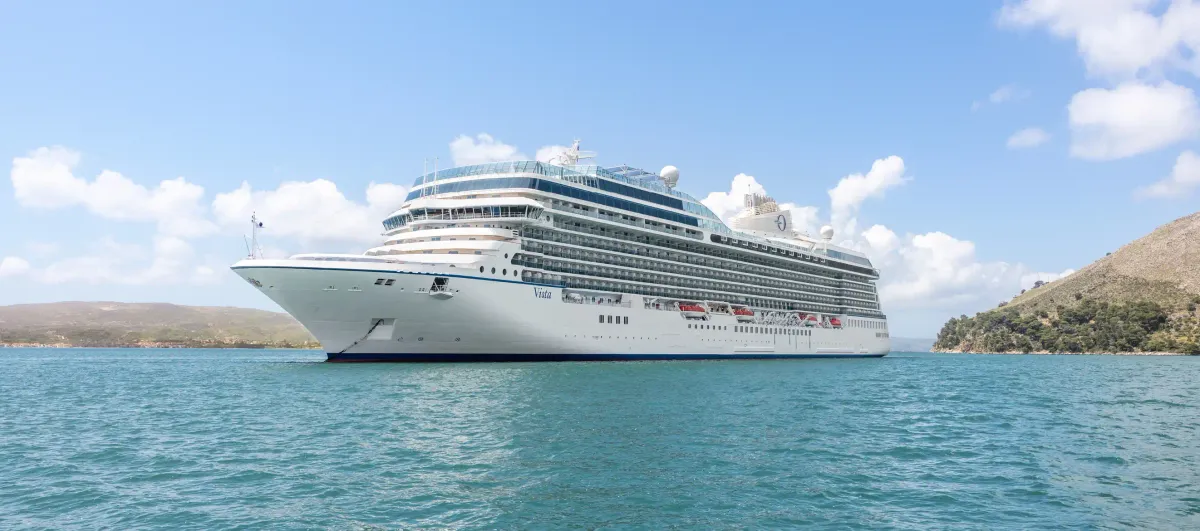
Oceania Cruises will move to an adults-only booking policy for all new reservations starting Jan. 7, 2026, limiting future bookings to guests ages 18 and older across its fleet and itineraries.
The luxury cruise line, which is part of Norwegian Cruise Line Holdings Ltd., said existing reservations made before the cutoff date, including those with travelers under 18, will be honored.
How the new booking rule will work
Oceania framed the update as a prospective change aimed at aligning new sales with the onboard experience it says guests expect, while avoiding disruption for travelers who already booked under prior terms.
- For new bookings made on or after Jan. 7, 2026, only guests ages 18 and older will be permitted to reserve voyages, and the policy applies across the brand’s eight-ship fleet and all itineraries.
- For reservations created before Jan. 7, 2026, Oceania said it will keep those bookings intact, even if a party includes travelers under 18, so customers are not forced to modify trips planned under earlier rules.
- For families considering future travel, the cutoff date becomes the key dividing line, since multigenerational parties that include minors would need to book before Jan. 7, 2026, or choose another cruise brand afterward.
What Oceania says is driving the shift
Company leadership said the decision followed guest research and feedback from repeat passengers, travel partners, and travelers new to the brand. Oceania said the consistent theme was demand for a quiet onboard environment, refined service, and a more unhurried pace.
“Our guests have consistently shared that the tranquil environment aboard our ships is one of the primary reasons they return time and time again,” said Jason Montague, Chief Luxury Officer of Oceania Cruises. He said the change is intended to reinforce “the very essence of the Oceania Cruises journey,” which he described as “defined by sophistication, serenity and discovery.”
What the policy means for onboard life
Oceania said guests should not expect major changes to what is offered onboard because the line has not positioned itself as family-focused and has not been known for dedicated youth programming or children’s facilities. The company also said children have historically represented a very small share of passengers.
Chief Commercial Officer Nathan Hickman said some guests already assumed the line was adults-only. “I’ll be honest with you, a good segment of our guests already thought we were adult-only,” he told USA TODAY, adding that children tended to be more noticeable on certain itineraries where more families travel. He said the share of guests under 18 was “so small it’s almost a rounding error.”
Hickman also described the move as a way to clarify who the brand is for. “We’re not trying to be all things to all people,” he said. He also noted Oceania’s average passenger age is in the mid-60s.
Oceania has long emphasized culinary-focused and destination-oriented cruising, with activities such as wine tastings, cooking classes, and educational programming that align with mature, adult traveler preferences.
How Oceania fits into the adults-only cruise landscape
Oceania’s move puts it in a relatively limited group of cruise brands that restrict sailings to adults. Virgin Voyages operates with an 18-plus model, and Viking has long maintained adults-only policies across its ocean and river itineraries.
Other major cruise lines continue to cater to families while still carving out adult-focused spaces or experiences onboard. Carnival Cruise Line, for example, has an adults-only Serenity retreat area and has also operated certain sailings with higher age minimums. Royal Caribbean and other large brands commonly designate adult-only zones even when children are welcome elsewhere on the ship.
Colleen McDaniel, editor-in-chief of Cruise Critic, said adult-focused cruising reflects a broader demand trend. “Sailing with families is a wonderful part of cruising,” McDaniel said, “but our cruisers tell us sometimes, they’re just looking for a break.”
Fleet growth and where Oceania sails
Oceania’s smaller-ship approach is built around destination coverage and port variety, with the line calling on more than 600 ports across seven continents and over 100 countries, according to the company. It has also highlighted newer ships such as Oceania Allura as part of its luxury positioning, centered on gourmet dining and excursions.
Looking ahead, Oceania is also preparing to introduce newbuild ships, including Oceania Sonata, the first in its Sonata Class, scheduled to debut in August 2027. The company has said the ship will feature luxury accommodations with an unprecedented proportion of suites, along with elevated dining options that include two new culinary concepts, Nikkei Kitchen and La Table par Maîtres Cuisiniers de France.
Frequently Asked Questions (FAQs)
When does Oceania Cruises’ adults-only booking policy take effect?
The policy applies to all new reservations made on or after Jan. 7, 2026, with a minimum booking age of 18.
Does the adults-only policy cancel trips already booked with children?
No. Oceania Cruises said reservations made before Jan. 7, 2026 will be honored as booked, even if they include guests under 18.
Is Oceania Cruises becoming 21+ like some adults-only sailings on other brands?
No. Oceania’s policy sets the minimum age at 18 for new reservations made on or after Jan. 7, 2026.
What new ships are planned for Oceania Cruises?
Oceania Cruises has said it will debut Oceania Sonata, the first in its Sonata Class, in August 2027. The ship is expected to include a high proportion of suites and new dining concepts, including Nikkei Kitchen and La Table par Maîtres Cuisiniers de France.
With the cutoff date now set, Oceania’s near-term sailings will continue under existing booking terms, while reservations made from Jan. 7, 2026 forward will begin reflecting the line’s shift to an adults-only model.