Norwegian Cruise Line Orders Three New Ships From Fincantieri
By locking in Italian shipyard space well into the next decade, Norwegian signals how the cruise comeback is turning into a capacity scramble where build slots are the real prize.
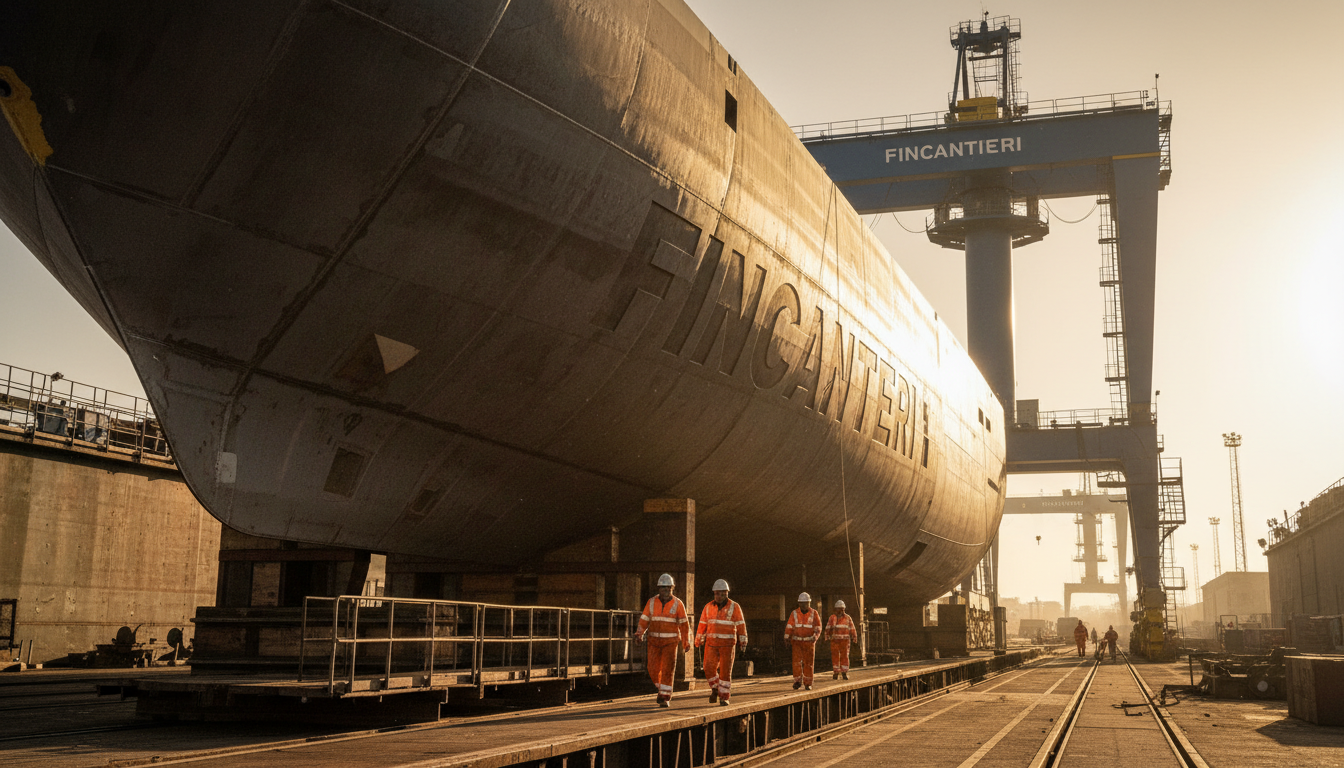
Norwegian Cruise Line Holdings Ltd. has reached an agreement with Italian shipbuilder Fincantieri to design and build three new cruise ships, with one vessel planned for each of its brands, Norwegian Cruise Line, Oceania Cruises and Regent Seven Seas Cruises. The ships are scheduled for delivery in 2036 and 2037.
Three-brand order extends long-range fleet planning
The agreement calls for sister ships that align with each brand’s most recently announced newbuild programs. Under the plan, Norwegian Cruise Line Holdings will add a ship aligned with its previously announced Norwegian Cruise Line newbuilds, Oceania Cruises will receive a sister ship to Oceania Sonata, and Regent Seven Seas Cruises will receive a sister ship to Seven Seas Prestige.
All three ships are set to be built at Fincantieri shipyards in Italy. Norwegian Cruise Line Holdings President and CEO John W. Chidsey said the agreement is designed to keep fleet growth measured while securing scarce construction capacity. “Together with Fincantieri, a trusted partner for decades, we continue to advance a disciplined approach to fleet growth that builds on the strength of our brands, defines the future of cruising, and elevates the guest experience for years to come. This agreement secures access to valuable shipyard capacity through the end of 2037 while maintaining financial discipline and driving sustainable shareholder value,” Chidsey said.
Preliminary ship specifications span mass market to ultra-luxury
Fincantieri and Norwegian Cruise Line Holdings disclosed preliminary specifications for the three ships, noting that figures can be refined as design work progresses closer to delivery. The vessels are positioned across the company’s portfolio, from a large Norwegian Cruise Line ship to smaller, higher-end ships for Oceania and Regent.
- Norwegian Cruise Line: approximately 227,000 gross tons and more than 5,000 passenger berths, described by the company as incorporating the latest megaship design approach.
- Oceania Cruises: approximately 86,000 gross tons and about 1,390 berths, set within the Sonata-class and framed around upscale, destination-immersive travel.
- Regent Seven Seas Cruises: approximately 77,000 gross tons and about 822 berths, aligned with the Prestige-class and targeted at the ultra-luxury segment.
How the agreement fits into the company’s broader orderbook
With the latest agreement included, Norwegian Cruise Line Holdings has 17 newbuilds on order scheduled through 2037. The company has said the pipeline supports an expected 4% compound annual growth rate in capacity from 2026 through 2037.
Norwegian Cruise Line Holdings has also outlined brand-level totals for ships planned through the long-range window:
- Norwegian Cruise Line: eight newbuilds planned through 2037.
- Oceania Cruises: five newbuilds planned through 2037.
- Regent Seven Seas Cruises: four newbuilds planned through 2036, within the company’s broader forward plan running through 2037.
The company currently operates a combined fleet of 34 ships with more than 71,000 berths. Across the same long-term horizon, it expects to add 17 ships through 2037 totaling roughly 46,600 berths.
Near-term deliveries and methanol-ready design work
Although the newly announced ships are scheduled for 2036 and 2037, the agreement adds to an orderbook that includes multiple nearer-term deliveries beginning in 2026.
Norwegian Cruise Line Holdings’ existing schedule includes Norwegian Luna (about 156,000 gross tons and roughly 3,565 berths) expected in the first quarter of 2026 and Seven Seas Prestige (about 77,000 gross tons and roughly 822 berths) expected in the fourth quarter of 2026. The timeline also includes Norwegian Aura (about 170,000 gross tons and roughly 3,880 berths) and Oceania Sonata (about 86,000 gross tons and roughly 1,390 berths), both planned for 2027.
On the design side, the company has flagged methanol-readiness as part of its longer-term newbuild strategy. It said a next-generation, methanol-ready Prima-class ship is planned for 2028, and it has also described design changes for its final two Prima-class ships, saying the designs have been lengthened and reconfigured to accommodate the use of green methanol as a future fuel source, while noting that additional modifications would be required to fully enable green methanol use. In addition, Fincantieri has committed to integrating advanced sustainability practices into the new designs, including plans for Norwegian Cruise Line’s ships to be methanol-ready.
Financing approach and the value of shipyard slots through 2037
Norwegian Cruise Line Holdings said the agreement is structured as a long-dated commitment with limited near-term cash impact, because pre-delivery payments are expected to remain immaterial until delivery. For funding at delivery, the company expects to rely heavily on Export Credit Agency financing to fund most of each vessel’s cost, consistent with its previous financing practices for fleet expansion.
The company also noted that the contract is effective while financing is still being arranged, reflecting a typical structure for cruise ship newbuild agreements signed years ahead of delivery.
Fincantieri CEO and Managing Director Pierroberto Folgiero linked the order to both ship design and long-term workload planning for the builder’s Italian yards. “This milestone reflects our shared commitment to delivering future-ready ships that combine technological innovation, energy efficiency, and an enhanced guest experience,” Folgiero said. He also described the agreement as supporting long-term visibility for Fincantieri’s shipyards through 2037, enabling planning for future investments in capacity, digitalization and sustainable shipbuilding.
The deal comes as shipyard capacity has been in high demand as cruise operators move from the pandemic-era lull to long-cycle fleet planning. Norwegian Cruise Line Holdings’ decision to secure construction slots through 2037 also follows continued fleet activity among major competitors including Royal Caribbean Group and Carnival Corporation.
The three ships will now move through design and contracting milestones with Fincantieri ahead of their 2036 and 2037 deliveries, while Norwegian Cruise Line Holdings’ nearer-term fleet plan proceeds with ships scheduled from 2026 onward.
Frequently Asked Questions (FAQs)
When will the three newly announced ships be delivered, and where will they be built?
The ships are scheduled for delivery between 2036 and 2037, and all three are set to be built at Fincantieri shipyards in Italy.
Which brands are included in the agreement, and what programs are the ships tied to?
Norwegian Cruise Line, Oceania Cruises and Regent Seven Seas Cruises will each receive one ship. The vessels are planned as sister ships aligned with each brand’s most recently announced newbuild programs, including sister ships to Oceania Sonata and Seven Seas Prestige.
How large are the ships expected to be?
Norwegian Cruise Line’s ship is expected to be about 227,000 gross tons with more than 5,000 berths, Oceania’s ship about 86,000 gross tons with roughly 1,390 berths, and Regent’s ship about 77,000 gross tons with roughly 822 berths. The company and Fincantieri described these specifications as preliminary.
How does this agreement affect Norwegian Cruise Line Holdings’ overall newbuild pipeline?
The addition of the three ships brings Norwegian Cruise Line Holdings’ total newbuild portfolio to 17 vessels scheduled through 2037. The company has said the pipeline supports an expected 4% compound annual growth rate in capacity from 2026 through 2037.
How does Norwegian Cruise Line Holdings plan to finance the new ships?
The company said it expects pre-delivery payments to remain immaterial until delivery, limiting near-term impact on leverage and cash flow. It expects to fund most of each ship’s cost at delivery using Export Credit Agency financing, and noted that the contract takes effect while financing is still being arranged.