Norwegian Adds Hawaii Taxes to Cruise Bills Despite Court Injunction
The episode underscores Hawaiʻi’s effort to make cruise tourism pay more toward environmental protection, while legal limbo leaves travelers unsure what charges will stick.
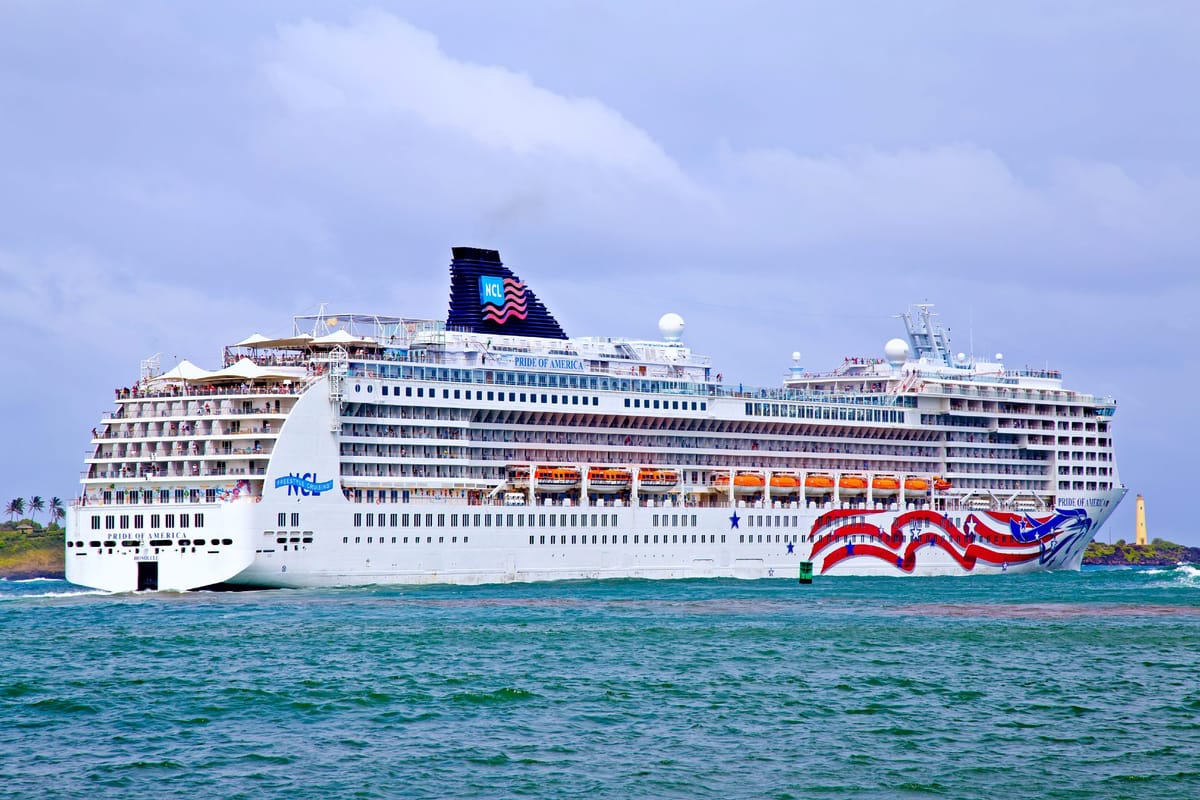
Norwegian Cruise Line has begun adding Hawaiʻi’s transient accommodations tax (TAT) and the state’s new “green fee” to some passenger bills even as a federal court order temporarily blocks Hawaiʻi tax officials from collecting those charges from cruise stays. Guests aboard Pride of America reported seeing the amounts appear on onboard invoices during the current interisland voyage.
How Hawaiʻi’s green fee is tied to the transient accommodations tax
The green fee is funded through a 0.75 percentage point increase to Hawaiʻi’s existing TAT. The result is an 11% state tax plus an additional 3% imposed by counties, for a combined 14% rate described to some travelers.
Act 96, the law that created the green fee, also extends the TAT to cruise ships in a way Hawaiʻi had not previously applied, requiring ships that disembark passengers in the islands to pay the full transient accommodations tax, including the portion tied to the green fee, in a manner comparable to hotels and vacation rentals.
A court injunction paused state collections, but not all onboard billing
Federal appellate judges issued an injunction on New Year’s Eve, just hours before the cruise-ship collections were scheduled to take effect. The order currently bars Hawaiʻi tax officials from collecting the taxes on cruise stays while litigation continues.
Even with the injunction in place, passengers have questioned why the tax appears on their bills at all. The Cruise Line Industry Association said, “Decisions about how to handle potential charges during ongoing litigation are individual commercial decisions made by each cruise line.”
Passenger complaints aboard Pride of America
Dallas resident Don Yonce, traveling with his family aboard Pride of America, said Norwegian notified him by email in October that the cruise would add Hawaiʻi’s combined 14% state and county transient accommodations taxes for time spent in port. Yonce said the email estimated his family would be charged $1,035 in TAT based on the weeklong cost of their cabin suite.
He said he was surprised when the charge later appeared on an onboard invoice. “We were under the impression that the injunction stopped this,” Yonce said from the ship.
Yonce also said guest service managers told him and other passengers that the injunction prevents the state from collecting the tax for now, but that they were instructed by corporate leadership to charge it anyway. He described other passengers as similarly upset after seeing the added amounts on their bills.
Norwegian’s position and how other lines are responding
Norwegian representatives have said the company will refund passengers if the cruise industry ultimately prevails in court. The legal dispute is being pursued by the cruise industry’s main trade group, which is challenging parts of the new law that apply the transient accommodations tax to cruise ships.
Yonce criticized charging the tax while the industry argues in court that it causes significant harm. “They’ve argued in court this (tax) does irreparable harm to their passengers and their suppliers and themselves, but then they’re collecting it anyway,” he said. “You can’t have it both ways.”
How widely the practice is being used across operators calling on Hawaiʻi has not been fully confirmed publicly. Other cruise companies have indicated different approaches on upcoming sailings.
- Oceania Cruises said it does not have the taxes attached to its next Hawaiʻi cruises, which are scheduled for October.
- A Royal Caribbean spokesperson referred questions about whether the company is charging passengers to the Cruise Line Industry Association, describing the matter as an industrywide issue.
What Hawaiʻi says the green fee will fund
State officials estimate the 0.75 percentage point TAT increase that created the green fee will generate about $100 million per year. The funding is intended to support efforts to protect Hawaiʻi’s environment and respond to challenges linked to overtourism, wildfires, natural disasters, and climate impacts.
Gov. Josh Green has said the cruise industry’s portion represents about 10% of the green-fee dollars.
Separate tax confusion on European itineraries
Norwegian has also faced passenger confusion over value added tax (VAT) on certain European sailings. The cruise line has said various taxes are applied based on local laws, depending on the itinerary and departure ports, and that passengers are informed through signage aboard its ships and through the Freestyle Daily onboard bulletin.
For cruises starting in Spain and visiting ports outside the European Union, Norwegian has said a 10% VAT is applied to food and beverage purchases while in Spanish ports and territorial waters. When a cruise remains entirely within the EU, the company has said a 21% VAT applies to onboard retail purchases, along with a 10% VAT on food and beverage items.
For cruises departing from Italy but remaining within EU countries, Norwegian has said a 22% VAT applies to retail purchases, while dining and beverage purchases are subject to 10% VAT. The company has said the 10% food-and-beverage VAT applies even when items are consumed as part of beverage or dining packages, with taxes applied to individual items consumed when required by local law.
What happens next
The lawsuit challenging Hawaiʻi’s application of the transient accommodations tax to cruise stays remains in federal court, and the injunction keeps state collection on hold while the case proceeds. A scheduling conference is set for Jan. 26, while passengers booked on Hawaiʻi itineraries may continue to see different approaches across cruise lines during the litigation.
Frequently Asked Questions (FAQs)
What tax rate are travelers being told to expect in Hawaiʻi?
The combined transient accommodations taxes described to some passengers total 14%, reflecting an 11% state tax plus an additional 3% charged by counties.
Why are some passengers being charged the tax even though there is an injunction?
The injunction bars Hawaiʻi tax officials from collecting the tax on cruise stays while litigation continues. The Cruise Line Industry Association has said whether potential charges are added during the case is an individual commercial decision made by each cruise line.
Will Norwegian refund passengers who were charged the Hawaiʻi tax?
Norwegian representatives have said the company will refund passengers if the cruise industry ultimately prevails in court.
When do VAT charges apply to Norwegian cruises in Europe?
Norwegian has said VAT is added to certain onboard purchases based on the itinerary and ports. Examples provided by the cruise line include a 10% VAT on food and beverages while in Spanish ports and territorial waters on some Spain departures that include non-EU ports, and VAT rates on onboard retail purchases that vary by route, including 21% on some cruises that remain entirely within the EU and 22% on some Italy departures within EU countries.
Is VAT charged on pre-purchased dining or beverage packages?
Norwegian has said VAT or sales tax is not charged on the full price of a pre-purchased package. Instead, taxes are applied to individual items consumed onboard when required by local tax laws.