Ninth Circuit Pauses Hawaii’s New Cruise Passenger Tax
The pause underscores a growing push to fund climate resilience by charging visitors, and how federal maritime rules can limit what states demand from cruise lines.
A two-judge panel of the U.S. Court of Appeals for the Ninth Circuit has temporarily blocked Hawaii from enforcing a new cruise-visitor tax that was scheduled to begin Jan. 1, 2026, pausing the cruise-related portion of the state’s so-called “Green Fee” law while an expedited appeal proceeds.
The New Year’s Eve injunction halts enforcement of the cruise provisions in Act 96, signed by Gov. Josh Green in May 2025, after the Cruise Lines International Association (CLIA) and other plaintiffs challenged the measure in federal court.
What the injunction blocks, and what remains in effect
The Ninth Circuit’s order stops Hawaii from collecting the transient accommodations tax on cruise ship passengers for now. Hawaii Department of Taxation Director Gary S. Suganuma said the state will pause cruise enforcement during the injunction: “Accordingly, and until further notice, the Department of Taxation will refrain from enforcing Act 96 as it relates and applies to cruise ships.”
The court order does not stop the law’s lodging-related change. Separate from the cruise provision, Act 96 increased the state transient accommodations tax rate paid by hotel guests and short-term rental visitors by 0.75 percentage points, bringing the state rate to 11%.
How Act 96 would tax cruise passengers
The cruise provision expands Hawaii’s Transient Accommodations Tax to cruise ship passengers for the first time, applying an 11% charge to the gross fare paid by a cruise passenger, prorated based on the number of days a vessel spends in Hawaii.
The law also authorizes Hawaii’s counties to add an additional surcharge of up to 3%, which could bring the total to 14% of prorated cruise fares in some cases. State officials have said the broader package could raise close to $100 million a year for projects tied to climate resilience and environmental needs, including work connected to shoreline erosion and wildfire risks. Hawaii has estimated that about 10% of the total would come from cruise ship passengers.
- The cruise passenger charge in Act 96 is set at 11% on gross passenger fares, prorated based on the number of days the ship is in Hawaii.
- Counties are authorized to add up to a 3% surcharge, potentially bringing the total to 14% on the prorated amount.
- State officials have estimated the overall law could raise close to $100 million annually for climate and environmental priorities, including shoreline erosion and wildfire-related needs.
- The injunction blocks enforcement against cruise ships pending appeal, while the lodging-related tax increase remains in effect.
The lawsuit and the legal arguments now before the appeals court
CLIA sued Hawaii in federal court in August 2025, joined by local businesses including operators that supply cruise ships and tour companies that depend on cruise visitors. Plaintiffs argued the tax could raise prices and reduce demand.
In court coverage, CLIA and aligned plaintiffs argued the tax conflicts with federal protections that limit state charges on vessels and maritime commerce. Among the legal theories cited were the U.S. Constitution’s Tonnage Clause and the Rivers and Harbors Appropriation Act of 1884, with challengers asserting the tax functions as a charge for the privilege of entering Hawaii ports. Plaintiffs also argued the tax is unfair because it applies to the entire cruise fare, which can include meals, entertainment, and transportation, rather than isolating an accommodation portion.
Before the appeals court intervened, U.S. District Judge Jill A. Otake declined on Dec. 23, 2025, to grant an injunction that would have blocked the cruise provisions ahead of the Jan. 1 start date. Otake said the case raised complex issues involving federal authority over maritime commerce and a state’s ability to raise revenue, and she declined at that stage to stop the tax from taking effect. The challengers appealed, and the Ninth Circuit then issued the injunction pending appeal. The panel was identified in court coverage as Judges Andrew Hurwitz and Daniel Bress.
The U.S. Department of Justice also participated in the case and supported blocking the cruise tax, calling it a “scheme to extort American citizens and businesses solely to benefit Hawaii.”
How Hawaii and the cruise industry are framing the stakes
State officials and supporters have argued the law is intended to raise money for climate-related and environmental resilience work, and that visitors, including cruise passengers, should share the financial responsibility of protecting Hawaii’s resources.
After the injunction was granted, Toni Schwartz, a spokesperson for the Hawaii Attorney General’s office, said: “We remain confident that Act 96 is lawful and will be vindicated when the appeal is heard on the merits.”
Earlier in the litigation, Hawaii Attorney General Anne Lopez said the state planned to continue defending the measure and characterized the district court decision as rejecting most of the cruise industry’s claims. “While the litigation is not over, we are confident in the legality of this law and will continue to vigorously defend it on behalf of the people of Hawaii,” Lopez said.
State Rep. Sean Quinlan criticized the lawsuit and tied the debate to environmental responsibility. “I want to characterize this as if people are operating in Hawaii, they should have a shared kuleana along with the state to protect our environment,” he said.
CLIA has emphasized both legal objections and economic impact. CLIA spokesperson Jim McCarthy said, “Cruise tourism generates nearly $1 billion in total economic impact for Hawaii and supports thousands of local jobs, and we remain focused on ensuring that success continues on a lawful, sustainable foundation.”
In filings and public arguments summarized in coverage, the industry has also contended it already contributes through port fees, head taxes, and general excise taxes. Hawaii’s supporters, meanwhile, have pointed to rising costs tied to shoreline erosion and wildfire risks.
What the pause could mean for booked passengers and onboard billing
While the injunction prevents Hawaii from enforcing and collecting the cruise-related tax during the appeal, it does not automatically determine how cruise lines handle line-item charges during the legal uncertainty. Cruise lines had already begun notifying some booked guests about the potential fee before the injunction was issued.
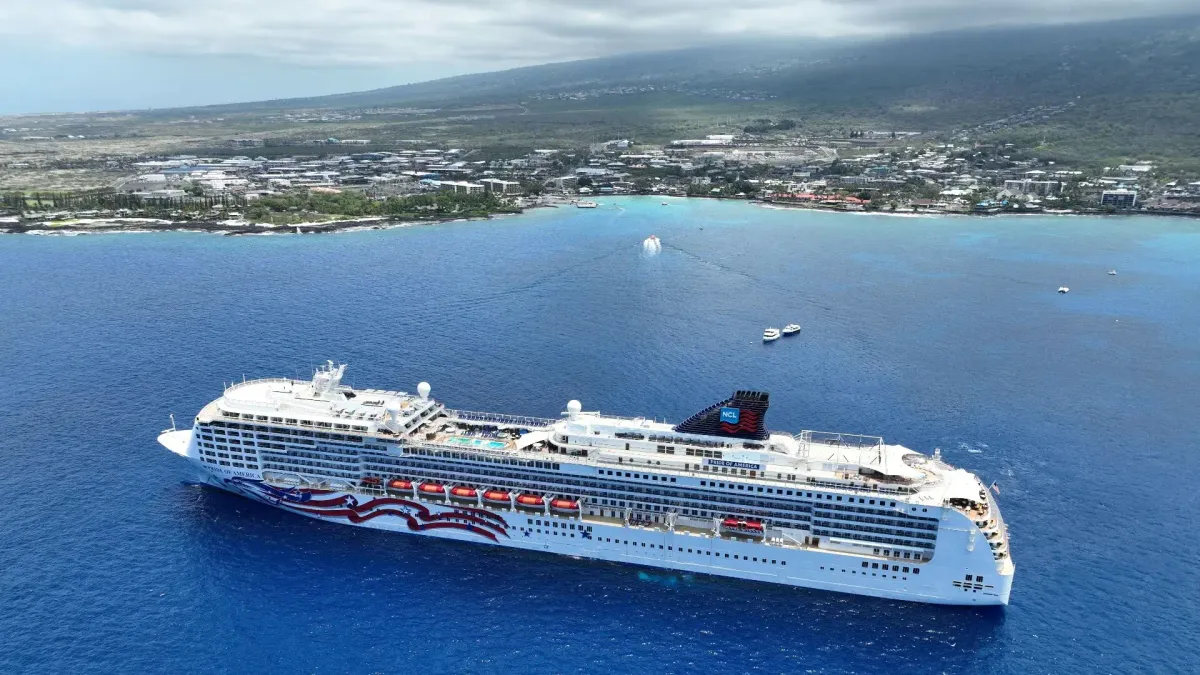
One example of confusion cited in coverage involved a passenger aboard Norwegian Cruise Line’s Pride of America who said the tax still appeared on an onboard invoice despite the injunction. Dallas resident Don Yonce said, “We were under the impression that the injunction stopped this.” Norwegian representatives told passengers the company would refund the amounts if the cruise industry ultimately prevails in court, according to coverage of the onboard billing dispute.
CLIA has said interim billing approaches are left to each cruise line. In a statement cited in coverage, the association said: “Decisions about how to handle potential charges during ongoing litigation are individual commercial decisions made by each cruise line.”
What to watch next
The Ninth Circuit indicated the appeal will be handled on an expedited basis, with the injunction keeping the cruise provisions on hold while the case is heard on its merits. Separately, state lawmakers have been considering potential amendments aimed at making the cruise provision more acceptable to the industry, including applying the charge only to the cabin portion of fares.
Frequently Asked Questions (FAQs)
Is Hawaii collecting the new cruise passenger tax right now?
No. The Ninth Circuit granted an injunction pending appeal, and Hawaii’s Department of Taxation said it will refrain from enforcing Act 96 as it applies to cruise ships until further notice.
How would the cruise passenger tax be calculated if it ultimately takes effect?
Act 96 would apply an 11% transient accommodations tax to a cruise passenger’s gross fare, prorated based on the number of days a vessel spends in Hawaii. Counties are authorized to add an additional surcharge of up to 3%, potentially bringing the total to 14% on the prorated amount.
Why did the Ninth Circuit block the tax?
The Ninth Circuit issued an injunction pending appeal while it considers legal challenges brought by CLIA and other plaintiffs. The challengers argue the tax violates federal protections affecting maritime commerce, including claims under the Constitution’s Tonnage Clause and arguments tied to the Rivers and Harbors Appropriation Act of 1884.
Does the court order affect hotel and vacation rental taxes in Hawaii?
No. The injunction addressed the cruise ship provisions. The law’s 0.75 percentage point increase to the transient accommodations tax paid by hotel guests and short-term rental visitors took effect as scheduled, bringing the state rate to 11%.
Can cruise lines still show the charge on guest invoices during the injunction?
The injunction stops Hawaii from enforcing and collecting the cruise-related tax, but billing decisions during ongoing litigation may vary by cruise line. In one reported example involving Norwegian Cruise Line’s Pride of America, passengers were told the company would refund amounts if the cruise industry ultimately prevails, and CLIA said, “Decisions about how to handle potential charges during ongoing litigation are individual commercial decisions made by each cruise line.”