Liverpool Cruise Port, Fred. Olsen Launch 2026 Community Program
As European ports face tougher scrutiny over cruise impacts, Liverpool is betting that visible, yearlong community work can help secure a social license for growth.
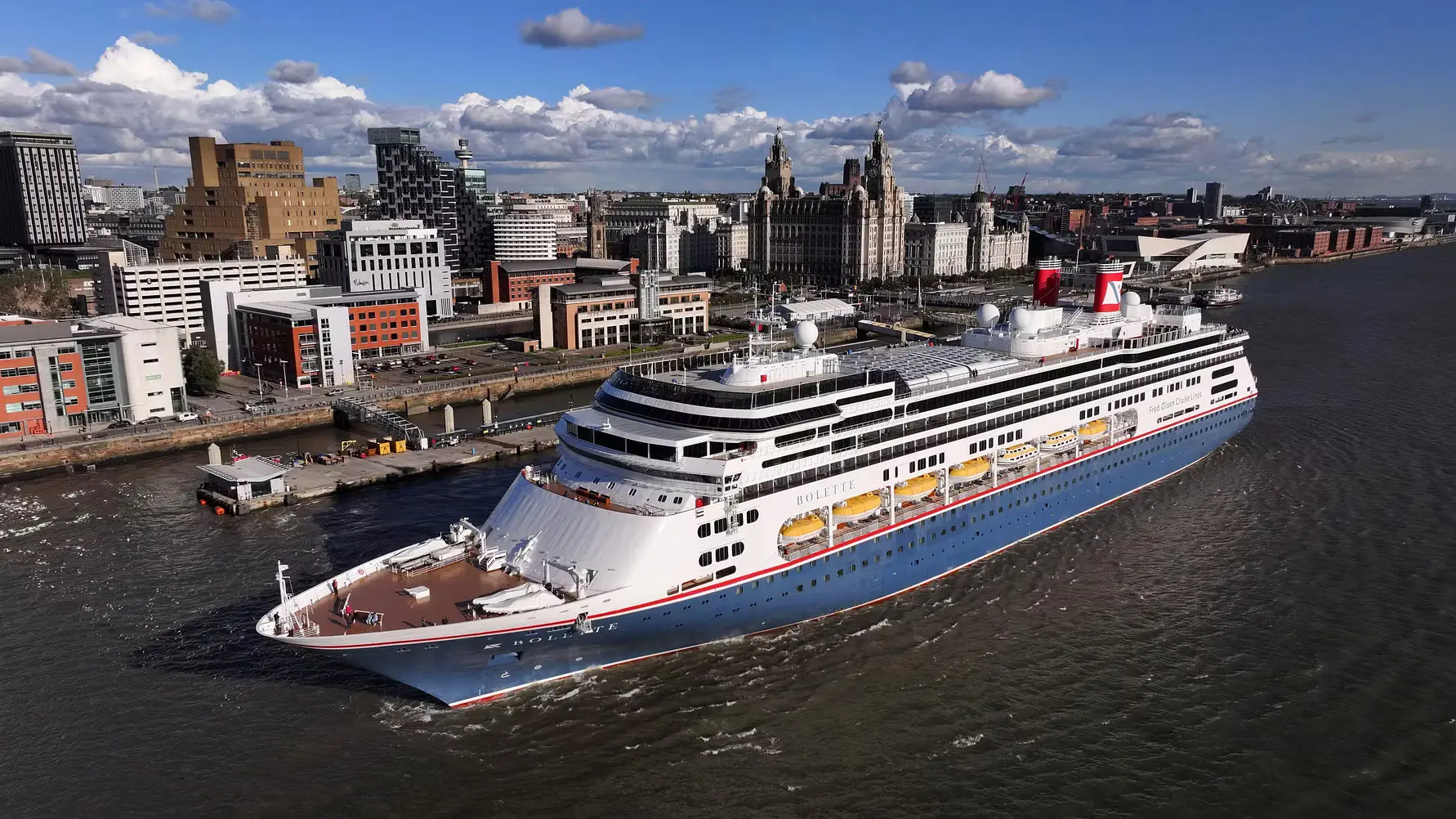
Liverpool Cruise Port and Fred. Olsen Cruise Lines have agreed to run a program of community engagement and sustainability initiatives throughout the 2026 cruise season, combining waterfront activity with projects the partners say are designed to deliver measurable local benefit.
Liverpool’s 2026 calendar blends awareness days with community projects
The partners describe the agreement as a season-long collaboration, built around a year-long calendar tied to recognized awareness days and a set of community-focused commitments linked to health, safety and wellbeing. The work is expected to be delivered with local stakeholders across the city and waterfront.
- Awareness-day initiatives: Liverpool Cruise Port and Fred. Olsen plan to coordinate activity around Women in Maritime Day, the International Day of the Seafarer, and International Coastal Clean-Up Day, with an emphasis on pairing education and visibility with practical action.
- Health, safety and wellbeing projects: The partners also listed support for Alder Hey Children’s Hospital, provision of community defibrillators, and additional projects intended to enhance health, safety and wellbeing across the port estate.
Executives frame the partnership around heritage and local impact
Samantha Stimpson, CEO of Fred. Olsen Cruise Lines, said: “We are delighted to join Liverpool Cruise Port in delivering this ambitious programme of community and sustainability initiatives throughout 2026. Liverpool has been a key homeport for more than twenty years, and our connection with the city and its people is both long-standing and deeply valued.”
John Mawer, general manager, GPH UK Cruise Ports, said the plans reflect the responsibilities that come with a busy waterfront: “Liverpool Cruise Port has a proud maritime heritage, and with that comes a responsibility to lead on sustainability, inclusion and community engagement.” He added: “Our partnership with Fred. Olsen Cruise Lines allows us to deliver ESG-led community initiatives that are authentic, practical and rooted in Liverpool.”
How Liverpool’s plans fit into wider port-city sustainability efforts
Across Europe, cruise and port-city stakeholders have been highlighting initiatives intended to balance tourism growth with environmental, social, and cultural sustainability, ranging from collaborative planning to policy restrictions that manage passenger flows.
In Taranto, Italy, MedCruise and the International Association of Cities and Ports (AIVP) held the first in-person meeting of their joint Cruises & Port Cities Working Group from February 19-20, 2026, bringing together around 30 experts from Italy, Spain, France, Greece, and Portugal. The group, launched in 2021, is focused on governance, mobility, and community engagement in port-city relationships, with the meeting presenting a second phase of its Cruise Port City Compass strategic document that focuses on citizen engagement and passenger flow management.
Theodora Riga, MedCruise President and President of the Corfu Port Authority, said during the opening session: “Cruise development is seen differently depending on perception, and our role is to work towards a shared and balanced vision of sustainability.”
Amsterdam discussion highlights river cruising as a managed-tourism tool
In Amsterdam, a policy breakfast hosted by IG RiverCruise and River Cruise Europe earlier this month focused on approaches to rising tourism pressure, with proponents pointing to smaller river cruise vessels carrying around 200 passengers as less likely to overwhelm historic sites than larger ships. River cruises were cited as contributing €221 million to Amsterdam’s economy, supporting 365,000 hotel nights and 2,000 local jobs.
Monic van der Heyden of River Cruise Europe said: “Amsterdam stands at a crossroads. We believe the city can reimagine tourism as a force that strengthens communities and provides value rather than strains them.”
Capacity limits and access restrictions expand across major destinations
Alongside partnership-led initiatives, some destinations have moved toward caps and routing changes intended to reduce congestion and protect sensitive environments. Venice has banned large ocean-going vessels from the San Marco Basin and Giudecca Canal since 2021, redirecting ships to alternative berths in a measure aimed at reducing overcrowding and environmental degradation while protecting the Venetian Lagoon.
In Greece, the Cyclades have introduced caps of 8,000 cruise passenger landings per day and seasonal per-person fees beginning in 2025. Barcelona, another major cruise hub, is reducing port terminals and limiting passenger numbers handled at any given time, measures described as part of efforts to address overtourism while promoting longer stays.
For Liverpool, the first public milestones of its 2026 program with Fred. Olsen are expected to appear as the scheduled awareness days and community activities take place across the season.
Frequently Asked Questions (FAQs)
When will the Liverpool Cruise Port and Fred. Olsen initiatives take place?
The partners have scheduled the activities to run throughout the 2026 cruise season, with elements tied to specific awareness days during the year.
What kinds of projects are included in the Liverpool 2026 program?
Plans include activities linked to Women in Maritime Day, the International Day of the Seafarer and International Coastal Clean-Up Day, as well as community projects such as support for Alder Hey Children’s Hospital and community defibrillator provision, alongside other work intended to enhance health, safety and wellbeing across the port estate.
What is the Cruises & Port Cities Working Group?
The Cruises & Port Cities Working Group is a collaborative initiative between MedCruise and AIVP, focused on sustainable and inclusive destination management for ports and cities affected by cruise tourism.
Why are capacity caps being introduced in Mediterranean ports?
The measures described are intended to address overtourism, manage peak-time congestion, and reduce environmental impacts in highly visited areas, while preserving cultural and natural assets.
What steps has Venice taken to manage tourism impacts from cruise ships?
Since 2021, Venice has barred large ocean-going ships from entering the San Marco Basin and the Giudecca Canal, redirecting ships to alternative berths as part of efforts to reduce congestion and protect the Venetian Lagoon.