Jamaica Lands 23,000 Room Nights as Advisors Drive Post-Storm Recovery
Jamaica’s rebound underscores how travel advisors can steady Caribbean tourism after extreme weather, turning early demand into a bridge for jobs now and a push toward a more resilient rebuild.
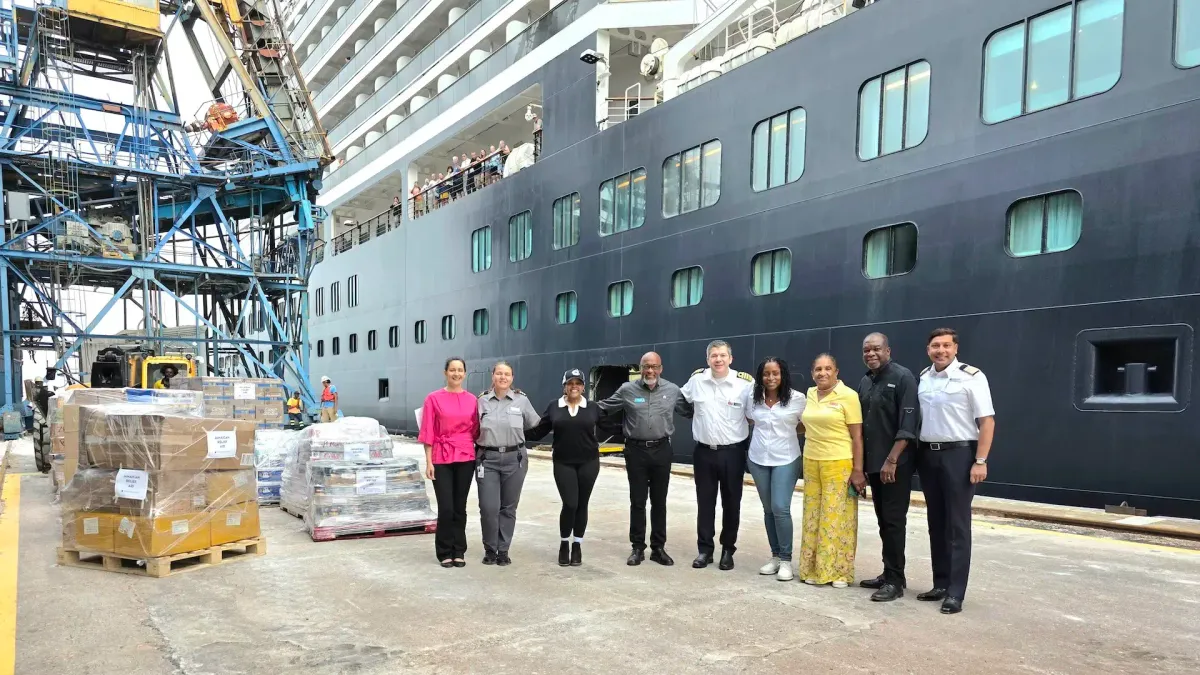
Jamaica has secured more than 23,000 post-storm room nights worth about $8 million as travel advisors help rebuild demand following Category 5 Hurricane Melissa, Tourism Minister Hon. Edmund Bartlett said during a reception in New York.
Bartlett framed the bookings, cited by the Jamaica Tourist Board (JTB), as an early signal of recovery for workers and businesses affected by the hurricane. “The 23,000 room nights you’ve secured represent not just numbers on a page, but livelihoods restored and businesses revitalized,” he told attendees.
Room-night gains spotlight travel advisors’ role in restoring demand
Speaking to more than 100 travel specialists in New York, Bartlett credited advisors with helping rebuild traveler confidence during what he described as an unusually difficult recovery period. “Without you, tourism couldn’t happen,” he said, adding that travel professionals remain essential even when their work happens outside the destination.
He also said the pace of recovery business exceeded expectations. “In the face of unprecedented challenges brought by Hurricane Melissa, you have worked tirelessly to restore confidence in our destination and deliver results that exceed our most optimistic projections,” Bartlett said.
Hurricane Melissa’s impact and the status of key visitor infrastructure
The JTB said Hurricane Melissa struck as a Category 5 system, with sustained winds of 185 miles per hour and gusts up to 252 miles per hour, causing widespread damage in parts of the country.
Officials say much of the tourism system is operating even as rebuilding continues in the hardest-hit areas. More than 70% of hotels are open, and Jamaica’s airports and cruise ports are fully operational. Attractions and tour operators are also open and receiving visitors.
- Hotels: More than 70% of properties are open, according to the Jamaica Tourist Board, as repairs and restoration continue in affected areas.
- Air and cruise access: Jamaica’s airports and cruise ports are fully operational, supporting continued arrivals while reconstruction work proceeds.
- Visitor activities: Attractions and tour operators are open and welcoming guests, helping maintain on-island experiences as the sector rebuilds.
Messaging to travelers: keep the experience “seamless” during disruptions
At the New York reception, Bartlett emphasized that Jamaica intends to protect the visitor experience even during major disruptions. “When we have mega disruptions of whatever type, whether weather-related or otherwise, the world recognizes that Jamaica is somewhere to visit, that Jamaica is a safe destination, that Jamaica is secure, and that Jamaica will give them a seamless experience,” he said.
He pointed to what he described as Jamaica’s competitive strengths, including accommodations, ambiance, and hospitality, while arguing that the recovery effort is designed to go beyond restoring pre-storm conditions.
“As we chart the course forward for Jamaica’s tourism sector, we are not simply seeking to return to where we were,” Bartlett said. “We are reimagining what our industry can be: stronger, more sustainable and better equipped to weather any storm that may come our way.”
“Build back better” plans: rebuilding, new townships, and workforce priorities
Bartlett said the government’s recovery strategy is centered on resilience, sustainability, and innovation, with an emphasis on improving how vulnerable areas are rebuilt and how resort zones are developed. The approach includes rebuilding with improved design and planning, reimagining resort offerings, and expanding the mix of visitor experiences.
He also cited plans to develop new tourist townships in coastal locations, including areas such as Black River, alongside environmental sustainability and workforce development initiatives intended to support longer-term growth.
“This reimagining is about future-proofing Jamaica’s most vital economic sector,” Bartlett said. “We are rebuilding tourism to sustain our people’s livelihoods for generations to come, while preserving the natural beauty and cultural richness that make Jamaica truly special.”
- Rebuild in vulnerable areas: The framework focuses on rebuilding with improved design and planning, aiming to make key tourism zones more resilient to future disruptions.
- New coastal townships: Plans include developing new tourist townships in locations such as Black River as part of a broader reset of the visitor experience mix.
- Sustainability and workforce development: Environmental sustainability and workforce development are described as pillars of the longer-term approach, intended to strengthen the sector beyond immediate reopening efforts.
Why Bartlett says tourism’s footprint extends beyond GDP headlines
Bartlett argued that tourism’s economic impact in Jamaica is often underestimated when measured only by top-line figures, describing a wider network of jobs and services activated by a single visitor’s trip.
“Each tourist engages over 175 skill sets and touch points, from airport operations to hotel services, from transportation to attractions, and at each point, income flows to Jamaicans,” he said.
He also challenged how tourism is reflected in national statistics. “While tourism may appear as 10 percent of GDP in statistics, it really represents 34 percent or more of our economic activity,” Bartlett said, characterizing tourism as an interconnected web of activity rather than a single line item.
Diversification: targeting Latin America and the GCC for growth
Alongside physical rebuilding and operational recovery, Bartlett said Jamaica is pursuing diversification to broaden demand sources. He pointed to a strategic focus on new and emerging markets, including Latin America and the Gulf Cooperation Council (GCC), as part of the effort to strengthen the sector.
How the Jamaica Tourist Board is supporting the trade during recovery
With travel advisors positioned as a key channel for turning intent into bookings, the JTB has been working with the trade through familiarization trips, infrastructure restoration updates, and collaborative marketing initiatives tied to what is open and ready for visitors.
Bartlett described advisors as the trigger for the broader chain of economic activity tied to a trip. “It starts when the idea is born that someone wants to travel,” he said. “Without you making that one tourist come to Jamaica, none of the economic multiplication happens. You are the catalyst for everything that follows.”
With most hotels open and airports and cruise ports operating, Bartlett said Jamaica’s near-term focus is maintaining a steady flow of visitors while rebuilding continues in impacted areas, with ongoing coordination among industry stakeholders, international partners, and local communities.
Frequently Asked Questions (FAQs)
How many bookings have travel advisors generated since Hurricane Melissa?
Bartlett said travel specialists secured more than 23,000 room nights valued at about $8 million, describing the bookings as a meaningful boost for workers and businesses affected by the hurricane.
What is the current status of Jamaica’s tourism infrastructure after the storm?
According to the Jamaica Tourist Board, more than 70% of hotels are open. Jamaica’s airports and cruise ports are fully operational, and attractions and tour operators are open and receiving visitors.
What does Jamaica’s “build back better” tourism plan include?
Bartlett said the strategy centers on resilience, sustainability, and innovation, including rebuilding in vulnerable areas with improved design and planning, reimagining resort offerings, developing new tourist townships in coastal locations such as Black River, and prioritizing environmental sustainability and workforce development.
Which new markets are part of Jamaica’s diversification strategy?
Bartlett pointed to a strategic push to expand demand in emerging markets, including Latin America and the GCC.