Illinois Probes Potential Hantavirus Case Tied to Rodent Droppings
The resident had mild symptoms and did not need hospitalization; Illinois has recorded seven hantavirus cases since surveillance began in 1993.
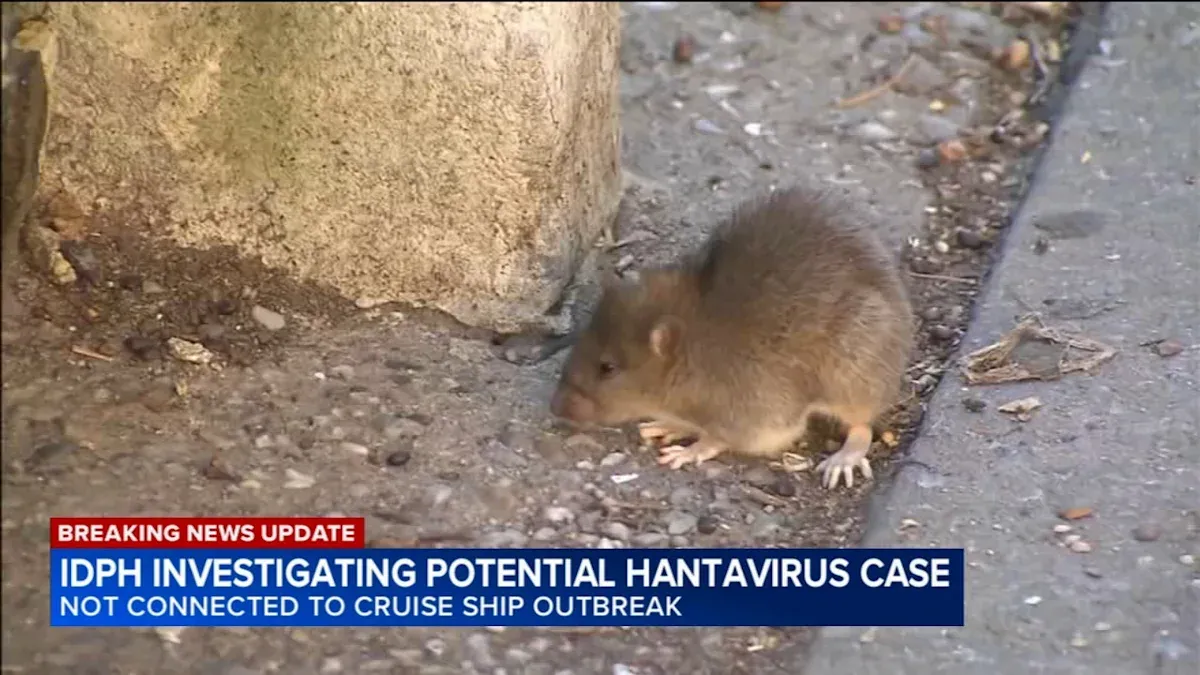
Illinois public health officials are investigating a potential hantavirus case in Winnebago County, Ill., and said Tuesday it is not connected to the outbreak associated with Oceanwide Expeditions’ 170-passenger MV Hondius. The Illinois resident likely acquired the virus while cleaning a home where rodent droppings were present, experienced mild symptoms, did not require hospitalization and is recovering while the CDC conducts additional testing.
IDPH said North American hantavirus strains are not spread person to person, while the Andes strain associated with the MV Hondius can rarely transmit between people; the agency said the risk to Illinois residents remains very low.
Illinois case points to rodent-dropping exposure
IDPH said the Winnebago County resident did not travel abroad, and the agency has not been notified of any Illinois residents who were passengers on the MV Hondius during the outbreak. Winnebago County includes Rockford.
“Typically, we see it in cases like this one, where someone was cleaning an area where rats may have dwelled,” said Dr. Alfredo Mena Lora, an infectious disease specialist at Saint Anthony Hospital. He said disturbing contaminated urine or feces can aerosolize the virus.
Dr. Lora said the strain distinction is central to the response. “The South American strain of this virus, very rarely, but still possible, does have human-to-human transmission,” he said. North American strains do not have that person-to-person transmission pattern, he said.
Excluding the Winnebago County investigation, Illinois has recorded seven positive hantavirus cases since surveillance began in 1993, with the most recent in March 2025. Nationally, U.S. surveillance recorded 890 cases from 1993 through 2023, IDPH said.
Pest-control specialists advise wetting rodent droppings with disinfectant before removal, rather than dry sweeping, because dry material can become airborne. Shannon Sked, Orkin’s entomologist and national technical director, said the rodents of concern in Midwest settings include Norway rats and roof rats, not “your typical house mouse.”
MV Hondius contacts are being monitored separately
At least three deaths and several illnesses linked to Andes hantavirus aboard the MV Hondius led to a multinational repatriation and monitoring effort. U.S. authorities received 18 people evacuated from the ship: 16 were sent to the National Quarantine Unit in Nebraska, and two were monitored in Atlanta, including one symptomatic passenger who tested negative for the Andes strain, according to the Department of Health and Human Services.
Health officials are monitoring potential ship contacts for 42 days, the incubation period cited by the CDC. Oceanwide Expeditions said 87 guests and 35 crew members from 22 countries disembarked and returned home, and the vessel departed for the Netherlands with 25 crew members and two medical professionals aboard.
WHO Director-General Dr. Tedros Ghebreyesus said there was “no sign we are seeing the start of a larger outbreak,” while cautioning that more cases could emerge during the weeks-long incubation period. Health officials have said Andes-virus transmission between people is associated with prolonged, close contact during early illness, and no rodents have been found aboard the ship.
The CDC’s additional testing on the Illinois case could take up to 10 days. IDPH said it is coordinating with health care providers, local public health departments and emergency management partners, and will “proactively update the public should there be any changes,” including any change involving Illinois residents and the MV Hondius passenger list.