HX Expeditions Cuts Direct CO2 Emissions 12% in 2025
HX provided one thousand six hundred fifty-two complimentary cabin nights for researchers, and guests submitted forty-six thousand four hundred sixty-six citizen-science observations.
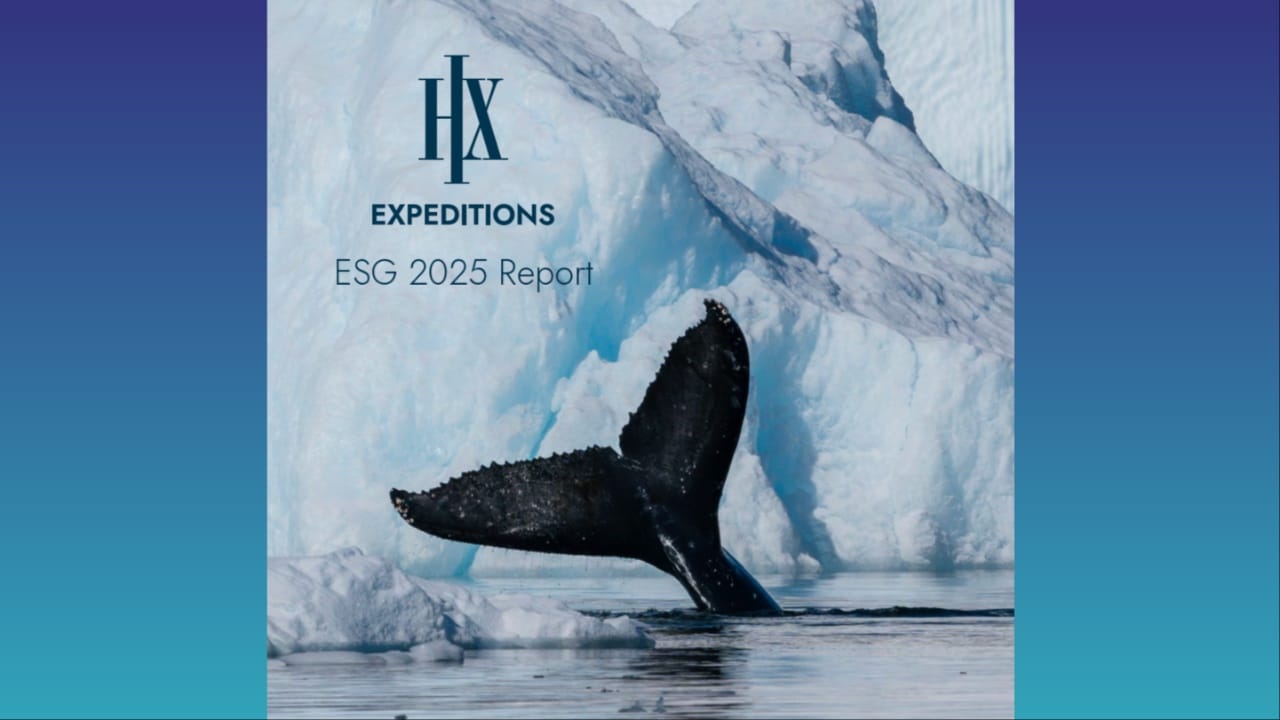
HX Expeditions reported a 12 percent year-over-year reduction in direct CO2 emissions to 64,630 metric tons in 2025 and launched its first long-term sustainability strategy, with measurable targets running through 2030. The company published its 2025 ESG Report on June 8, World Oceans Day, alongside new environmental, science and community metrics.
HX said the report is the first in the expedition cruise sector developed in line with the European Sustainability Reporting Standards, which apply to companies covered by the EU’s Corporate Sustainability Reporting Directive.
Emission reductions came with fleet and fuel changes
HX attributed part of the CO2 reduction to the removal of Maud from its fleet. The 2003-built ship, formerly MS Midnatsol before its 2021 rename as Maud and later return to the Midnatsol name in 2024, carries roughly 500 to 570 passengers depending on configuration.
HX’s main expedition fleet currently consists of five vessels: MS Fridtjof Nansen, MS Roald Amundsen, MS Spitsbergen, MS Fram and MV Santa Cruz II Galapagos. IAATO lists a broader seven-vessel HX expedition fleet.
Air-emission indicators also improved in 2025. Sulphur oxide emissions fell 50 percent and nitrogen oxide emissions dropped 14 percent. HX attributed the reductions in part to increased use of low-sulphur marine gas oil. The company also recorded zero environmental spills and a 64 percent decrease in externally sourced water.
Gebhard Rainer, chief executive officer of HX Expeditions, said the 2030 strategy “sets a clear path for the future,” adding that the company is strengthening accountability and sharpening its focus.
Science program expands alongside ESG targets
HX provided 1,652 complimentary cabin nights to scientists and research institutions in 2025, valued at more than 1.4 million euros. The company said that allocation is the highest in the industry.
The line carried 97 onboard scientists and expert lecturers across its sailings during the year. Guest participation in citizen science projects rose 52 percent, with 46,466 observations submitted to programs including eBird and Happywhale.
“HX is setting the industry standard because we lead with science,” said Dr. Verena Meraldi, chief scientist at HX Expeditions. She said the company wants researchers to “reach the most remote places on Earth” and deliver new knowledge from those regions.
During the 2025-26 Antarctic season, Dr. Manuel Novillo recorded what HX described as a world-first observation of Antarctic blackfin icefish spawning behavior near Danco Island using underwater drones. The company said the behavior had not previously been documented in the area.
The HX Foundation distributed 226,370 euros to 28 global projects in 2025, while guests contributed an additional 215,195 euros. HX also said it removed 1,200 tons of ocean plastic through its partnership with Ocean Bottle.
Operational changes included the introduction of a fully electric silent science boat and expanded slow-cruising itineraries intended to reduce fuel consumption. From sailings in 2027, HX plans to increase its scientist cabin-night program to a total of 3,900 complimentary cabin nights.
Compare HX Expeditions sailings by price on Cruise Lookup.