Hantavirus Outbreak on Hondius Kills Three After Atlantic Voyage
Public-health updates cited 11 confirmed cases, including nine Andes-strain infections, as WHO examined possible spread among people who shared cabins.
Updated June 25, 2026
The U.S. Centers for Disease Control and Prevention has wound down its response to the Andes hantavirus outbreak linked to Oceanwide Expeditions' MV Hondius after all exposed Americans completed 42-day quarantine and returned home. None tested positive.
The outbreak associated with Hondius totaled 12 confirmed and one probable case, including three deaths. The ship was later cleaned and disinfected in Rotterdam and cleared to sail again on May 30, while investigators continued to examine where the first infections may have occurred before or during the South Atlantic voyage.
The cluster was unusual in cruise operations because shipboard outbreaks more commonly involve gastrointestinal pathogens. The CDC recorded 23 gastrointestinal outbreaks on ships calling at U.S. ports in 2025, 18 of them caused by norovirus. Hantavirus is usually acquired through rodent exposure and is not generally easy to transmit person to person.
Quarantines end after Hondius evacuations
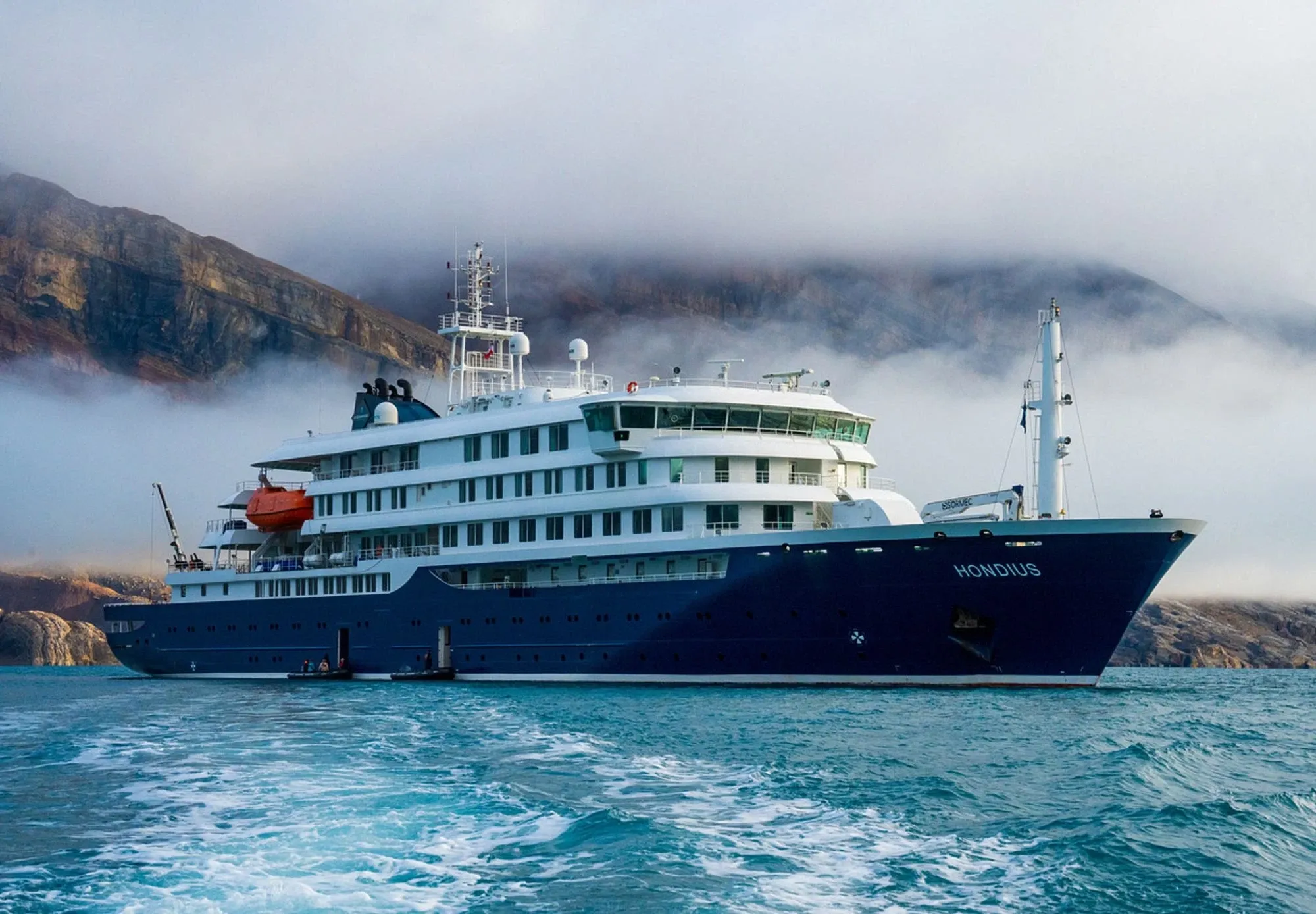
Hondius, a 107.6-meter PC6/1A Super-equivalent polar expedition vessel that typically sails with about 170 passengers and roughly 70 crew plus expedition staff, departed Ushuaia, Argentina, on April 1. The route included Antarctica, the Falkland Islands and other South Atlantic stops before heading north toward Cape Verde and Spain's Canary Islands.
CDC officials said the ship sailed from Argentina with 175 passengers and crew from 23 countries. More than 120 people were evacuated from the vessel in Spain's Canary Islands in early May, including 18 U.S. citizens who were taken to the National Quarantine Unit at the University of Nebraska Medical Center in Omaha. Other Americans who had left the ship before the outbreak was documented were monitored at home.
The first victim was a 70-year-old Dutch man who died aboard Hondius on April 11. His body was later removed at Saint Helena. His 69-year-old wife died in Johannesburg on April 26 after collapsing while trying to return to the Netherlands. A third death, involving a German national, was reported on May 2.
A British national who had been medically evacuated to South Africa was among the cases that helped health officials identify the outbreak. South African infectious disease specialist Lucille Blumberg told The Associated Press that her team tested for several possible causes before confirming hantavirus. "Even though it was a public holiday, we moved, we moved really fast," Blumberg said.
Hondius was initially kept offshore near Cape Verde while health authorities assessed the vessel. The ship later disembarked remaining passengers and crew through Tenerife, then continued to Rotterdam with a reduced crew and medical personnel aboard. WHO Director-General Tedros Adhanom Ghebreyesus later said the situation remained stable, with no new deaths reported since May 2.
Sequencing points away from Ushuaia landfill theory
Investigators have not definitively established how the virus reached the passenger group. New genetic sequencing has shifted attention toward the Argentina-Chile border region rather than an earlier theory involving a landfill in Ushuaia.
Science reported that long-tailed pygmy rice rats, the species associated with Andes hantavirus, were not trapped at the Ushuaia landfill. Viral sequences from Hondius patients closely matched infections from Argentina's Neuquén province in 2018, and surveillance results from Chilean researchers using 2013 samples from across the border matched even more closely.
The Dutch couple who first became ill had traveled through South America for four months before boarding Hondius, including a visit to the border region in early February. That timing complicates the exposure theory because a roughly 60-day incubation period would be far longer than the 42-day monitoring period used for contacts in this outbreak.
Oceanwide Expeditions told WHO there were no rats aboard the vessel, and searches tied to one theory involving the couple's vehicle did not confirm the presence of rats or feces. Investigators have also considered whether the Dutch man may have been infected by another person during his travels.
Why Andes hantavirus mattered aboard a cruise ship
Hantavirus refers to a family of rodent-borne viruses. Most infections occur when people inhale particles from infected rodent urine, droppings or saliva, particularly after contaminated material is disturbed in enclosed or poorly ventilated spaces. Rare transmission through rodent bites or scratches is also possible.
The Andes strain is significant because it is the hantavirus variant with previous evidence of limited person-to-person spread, mainly in South America. Maria Van Kerkhove, WHO's director of epidemic and pandemic preparedness and prevention, said investigators believed some transmission may have occurred among "really close contacts," including a husband and wife and people who shared cabins. "This is not a virus that spreads like flu or like COVID," she said.
Symptoms can begin with fever, chills, muscle aches, headache and fatigue before progressing to severe respiratory disease or kidney-related illness, depending on the virus. "Early in the illness, you really may not be able to tell the difference between hantavirus and having the flu," said Dr. Sonja Bartolome of UT Southwestern Medical Center in Dallas.
Symptoms of hantavirus pulmonary syndrome generally appear one to eight weeks after exposure. The CDC has said that syndrome is fatal in about 35% of infected people, while hemorrhagic fever with renal syndrome has a fatality range of 1% to 15%. There is no specific cure, but early supportive care can improve survival. Severe cases may require oxygen, ventilation, blood-pressure support or dialysis.
Public-health guidance for hantavirus prevention centers on avoiding rodent contact and cleaning contaminated areas without putting droppings into the air. Health authorities advise using gloves and disinfectant, including bleach solution, and caution against sweeping or vacuuming rodent waste. On ships under the CDC's Vessel Sanitation Program, inspections generally occur twice a year, often without notice, and cover pest-control plans, medical facilities, ventilation, water systems, food handling and housekeeping.