Global Ports Holding Names Tinaztepe to Fund Expansion
As governments turn to private partners for cruise port upgrades, capital access is becoming a decisive advantage in the race for long-term concessions.
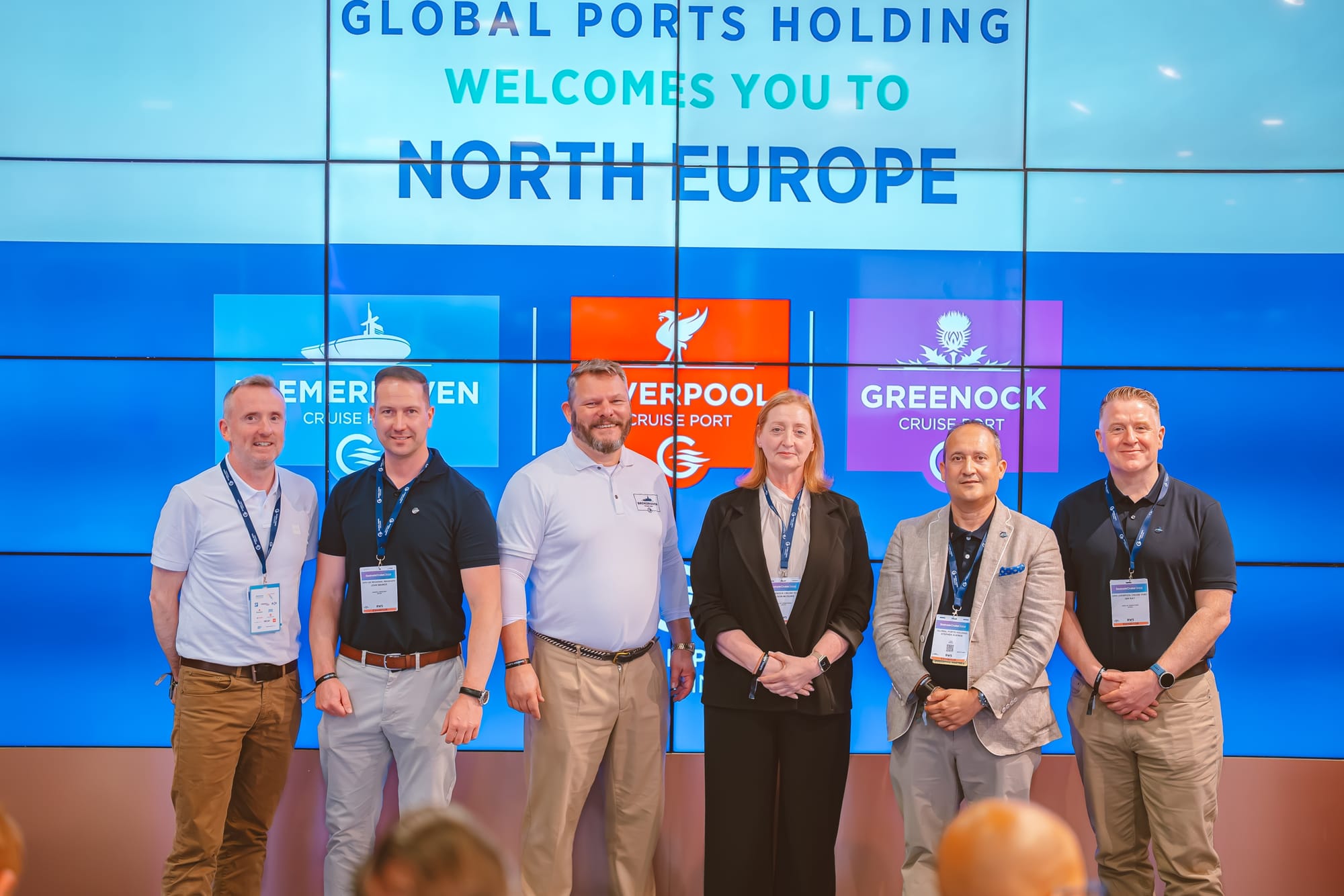
Global Ports Holding has appointed Saffet C. Tinaztepe as executive vice president, capital markets and strategic projects, a New York-based role aimed at financing the cruise port operator’s next phase of expansion. He starts June 16 with responsibility for growth funding, capital structure work, credit rating strategy and capital-provider relationships.
The hire comes as the world’s largest independent cruise port operator is pursuing a wider concession pipeline and handling an increasing share of cruise traffic. GPH’s portfolio totals roughly three dozen ports in more than 20 countries, and Chairman and CEO Mehmet Kutman has said just over 20 percent of cruise passengers will move through a GPH-operated port this year.
Finance role covers capital structure and strategic projects
Tinaztepe will also lead strategic initiatives for Kutman. Kutman and Jan Fomferra, chief financial officer, said Tinaztepe brings “broad perspective” from infrastructure markets and called his capital-raising record “key to the sustained growth” of GPH.
Tinaztepe spent more than 15 years at Citigroup, most recently as managing director and head of the North America team in the Infrastructure Finance and Capital Solutions group. GPH said his work included transportation, digital, energy, social/P3 and sports-entertainment infrastructure, with a cruise infrastructure specialty that helped establish the sector as a standalone asset class.
Expansion agenda puts capital access in focus
Kutman said in February that GPH was monitoring and potentially bidding on about 15 port opportunities. His preferred concession term is at least 30 years, with an option for another 15 years, while financing can run 20 to 30 years.
Kutman has said GPH’s 2024 take-private transaction gives the company more flexibility and speed in making concession decisions. “We’re very long term. We’re not going to flip the asset,” Kutman said. “We plan for the next 20, 30, 40, 50 years.”
GPH’s recent Caribbean projects have involved major terminal investment. Kutman cited Nassau as an example, with annual passenger volume rising from just over 3 million to a forecast just under 7 million this year, and said a similar program is following in San Juan.
He said Caribbean governments often need private capital for port works because public budgets are also needed for roads, water and power. GPH’s pitch to those governments is a public-private partnership model that brings capital into cruise facilities while public money is directed elsewhere, Kutman said.
In North America, Kutman said GPH does not yet operate a mainland U.S. port and is keen on two or three East Coast opportunities expected to come up for bid. He said he was glad GPH did not get Los Angeles after evaluating a project of $1.2 billion to $1.5 billion with a 20- to 30-year payback period.
The company is also watching Mexico’s Pacific coast, where Kutman singled out Puerto Vallarta as needing port expansion capital and said the region could support homeporting as well as port-of-call business.
Outside the Americas, Kutman pointed to Casablanca as a growth opportunity once a high-speed rail link to Marrakech is operating, saying calls there could double or triple. GPH also intends to bid to operate Hong Kong’s Kai Tak Cruise Terminal and is seeking a local Chinese partner for that process.