Georgia Monitors Two Residents After Hantavirus Cruise Outbreak
The 107.6-meter Hondius departed Ushuaia, Argentina, on April 1; the World Health Organization confirmed the cluster on May 4 after illnesses and deaths tied to the voyage.
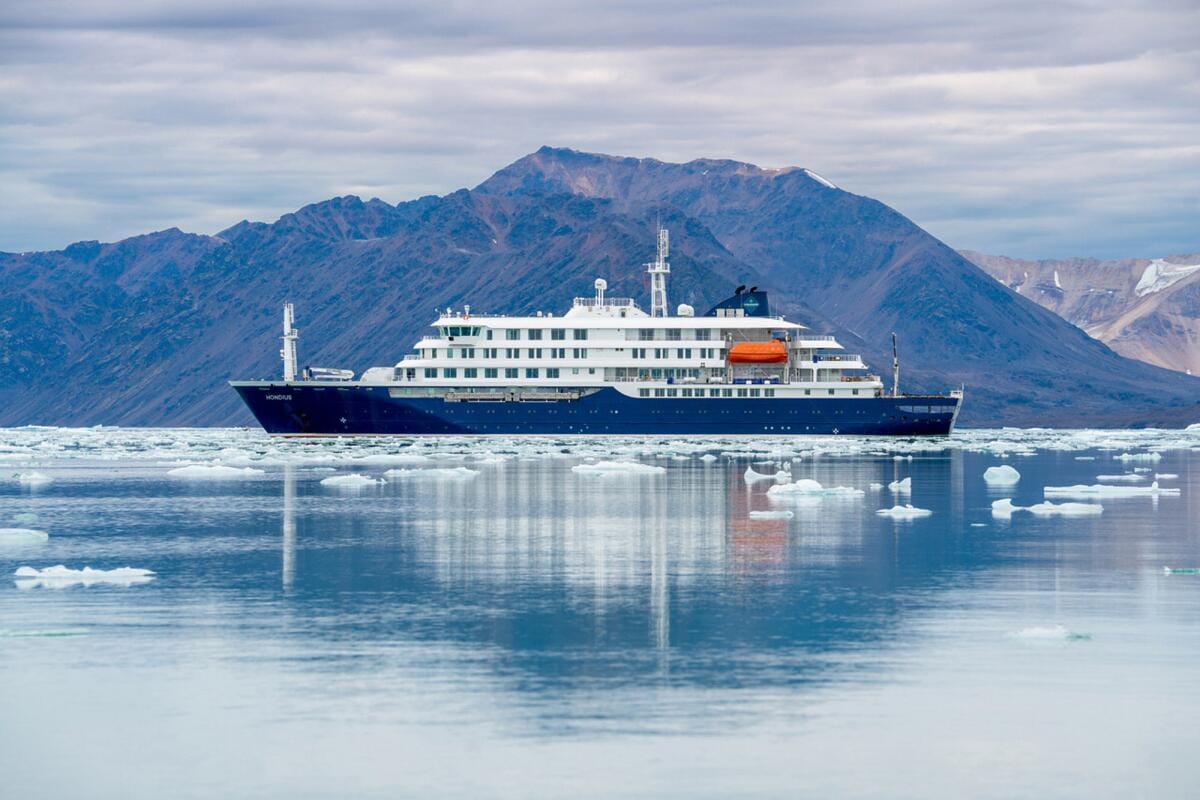
The Georgia Department of Public Health is monitoring two state residents who returned from Oceanwide Expeditions' MV Hondius after a rare Andes-strain hantavirus outbreak aboard the ship. "The individuals are currently in good health and show no signs of infection," a DPH spokesperson told WTOC, adding that they are following Centers for Disease Control and Prevention guidance.
The Georgia monitoring is part of a broader U.S. public-health response involving cruise passengers, earlier returnees and possible travel contacts linked to the Hondius. The CDC put the U.S. monitoring total at 41 on May 14 and said there were no confirmed cases in the United States.
Georgia monitoring and passenger handling in the U.S.
DPH did not disclose where the two Georgia residents live, what specific protocols they are following or whether they are under quarantine. The agency said it could not provide additional information.
They are separate from the two U.S. passengers who were routed through Atlanta after a medical repatriation flight from the Canary Islands. Those passengers were transported from Hartsfield-Jackson Atlanta International Airport to Emory University Hospital's Serious Communicable Diseases Unit after one showed symptoms and the other was identified as a close contact. The symptomatic passenger later tested negative for the Andes variant, and both were moved to the University of Nebraska Medical Center's National Quarantine Unit, joining other repatriated passengers from the ship.
Emory's unit, established in 2002, is one of the U.S. facilities built for patients with high-consequence infectious diseases and treated patients during the 2014 West Africa Ebola outbreak. In Nebraska, the CDC later issued quarantine orders for two passengers and asked the other 16 to remain at the facility through May 31; the CDC statement did not explain why only two were under formal orders.
Dr. David Fitter, director of the CDC's Division of Global Migration Health, said U.S. systems were operating as designed. "We know this virus. It's not novel, and we know what we need to do," Fitter said.
How the outbreak unfolded aboard Hondius
The 2019-built MV Hondius is a 107.6-meter polar expedition ship that normally carries about 170 to 174 passengers in standard operations. The Dutch-flagged ship departed Ushuaia, Argentina, on April 1 on a South Atlantic itinerary that included remote destinations before the outbreak was identified.
Some passengers disembarked at St. Helena on April 24, before health authorities knew a hantavirus outbreak was under way. The World Health Organization confirmed the cluster on May 4 after multiple illnesses and deaths were linked to the voyage. Health authorities have counted at least 11 confirmed or suspected cases connected to the ship, including three deaths; WHO had confirmed nine cases by laboratory testing.
Hantavirus is usually associated with exposure to infected rodents or rodent droppings, but the Andes strain is unusual because person-to-person transmission has been documented in rare circumstances involving close, prolonged contact. Officials have said no rodents were found on the ship, and investigators have been examining whether the earliest cases were exposed before boarding during travel in South America.
WHO Director-General Dr. Tedros Adhanom Ghebreyesus said there was "no sign we are seeing the start of a larger outbreak," while noting that additional cases could still appear during the incubation period. Public-health guidance for exposed people has included daily symptom checks for up to 42 days.
Hondius was not allowed to disembark passengers in Cape Verde and later sailed to Spain's Canary Islands, where passengers were transferred under controlled procedures. Oceanwide Expeditions said earlier that three people awaiting medical transfer had been taken off the ship by medical aircraft for specialized care and screening.
Disinfection in Rotterdam
Hondius later reached Rotterdam for disinfection with crew members and medical personnel still aboard. Rotterdam public-health officials said the remaining crew would be tested on arrival and weekly during quarantine, and that ship decontamination under Dutch health guidelines would take about three days once everyone had left the vessel.
"Luckily so far the crew has suffered no symptoms," Yvonne van Duijnhoven, Rotterdam's director of public health, told The Associated Press. She said authorities had "very strict protocols" to prevent spread from the vessel to the surrounding community.
Public-health officials in Rotterdam are expected to inspect Hondius before the ship is cleared to sail again. Oceanwide Expeditions has said it does not foresee changes to its operations and has an Arctic cruise scheduled to depart Keflavik, Iceland, on May 29.