France Confirms Hantavirus Case in MV Hondius Passenger
France's Pasteur Institute found the Andes virus matched known South American viruses, with no evidence so far of changes making it more transmissible or dangerous.
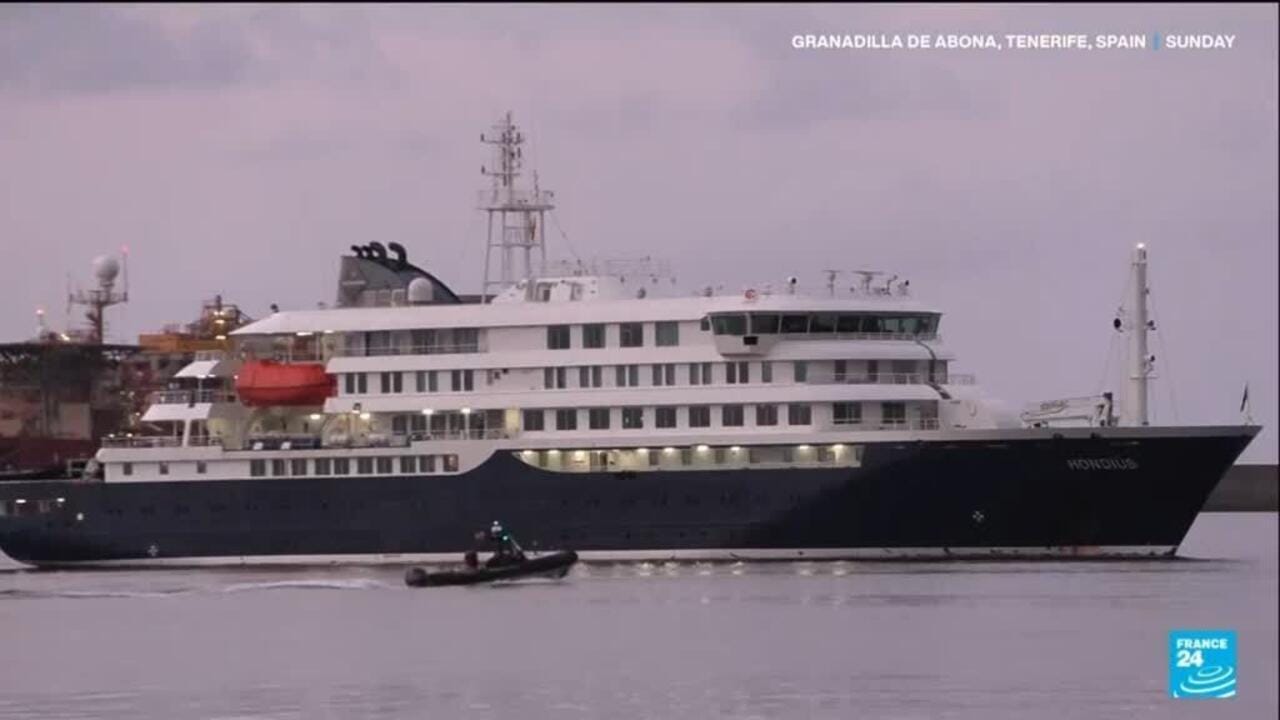
France confirmed a hantavirus infection in one of five French passengers evacuated from the MV Hondius, with Health Minister Stephanie Rist saying Monday that the passenger's condition was deteriorating. The other four French passengers tested negative but were to be tested again, while French authorities had traced 22 contacts linked to the case.
The French case deepens the multinational public-health response to the outbreak on Oceanwide Expeditions' MV Hondius, which has involved three passenger deaths and tightly controlled repatriations from Tenerife to more than 20 countries. Health officials have said the risk to the general public remains low, but the Andes virus involved in the outbreak is the form of hantavirus known to be capable of rare person-to-person transmission.
France expands isolation measures
"What is key is to act at the start and break the virus transmission chains," Rist told France Inter radio after the passenger tested positive.
A decree issued Monday gives French authorities stronger powers to isolate contact cases, Rist said. Prime Minister Sebastien Lecornu was scheduled to convene a meeting on the hantavirus response later in the day.
The French passenger was among five nationals repatriated from the ship after one showed symptoms during the flight home Sunday. The four passengers who tested negative remained under isolation in Paris pending further testing.
Asked whether France had sufficient masks and tests for a wider response, Rist said: "Yes, France is ready."
Controlled repatriations from Tenerife
Passengers from the Hondius began leaving the ship after it anchored off Tenerife in Spain's Canary Islands, where personnel in protective suits and breathing equipment escorted travelers between the vessel, shore and aircraft. Repatriation flights used military and government aircraft, and passengers were sent into hospital quarantine, specialized facilities or home isolation depending on national protocols.
In the United States, 18 people were flown from Tenerife to Omaha, including 17 U.S. citizens and one British-U.S. dual national. One passenger with an initial positive test but no symptoms was admitted to the Nebraska Biocontainment Unit for additional testing and monitoring, while others were assessed at the National Quarantine Unit; two additional passengers were taken to Emory University in Atlanta, including one with mild symptoms.
Other governments also placed returning passengers under medical supervision. British passengers were taken to Arrowe Park Hospital for clinical assessment, Dutch nationals were directed into six weeks of home isolation, and Spanish nationals were quarantined at a military hospital in Madrid.
Oceanwide Expeditions said 87 guests and 35 crew members from 22 countries had disembarked and returned home, while the Hondius continued toward the Netherlands with 25 crew members and two medical professionals on board. The 2019-built, 107.6-meter expedition ship is generally listed for about 170 passengers.
What authorities know about the virus
The Hondius departed Ushuaia, Argentina, on April 1. A Dutch passenger died on board April 11, and additional severe illnesses and deaths followed before the World Health Organization responded to a suspected hantavirus outbreak while the vessel was off Cape Verde in early May.
The WHO has said the Dutch couple believed to be the first cases had traveled through Argentina, Chile and Uruguay before boarding and visited sites where rats carrying Andes virus were present. Hantaviruses are usually transmitted through contact with infected rodents or their waste; Andes virus can spread between people in rare cases, particularly through close and prolonged contact.
Symptoms can include fever, chills and muscle aches and may appear weeks after exposure. There is no vaccine or specific cure, although the WHO has said early detection and supportive treatment improve survival rates.
"This is not another COVID," WHO Director-General Tedros Adhanom Ghebreyesus said. "And the risk to the public is low."
France's Pasteur Institute later fully sequenced the Andes virus detected in the French passenger and found it matched known South American viruses, with no evidence so far of changes that would make it more transmissible or more dangerous. Rist said the sequencing would be shared with the international scientific community.
The WHO has recommended active follow-up for returning passengers, with daily health checks either at home or in specialized facilities during the monitoring period.