Explorer of the Seas Marks 25 Years With Dry Dock Updates, Returns to Caribbean
Marking a quarter-century in service, Explorer of the Seas blends a pioneering history—including early scientific collaborations—with refreshed features as it returns to Caribbean itineraries.
```
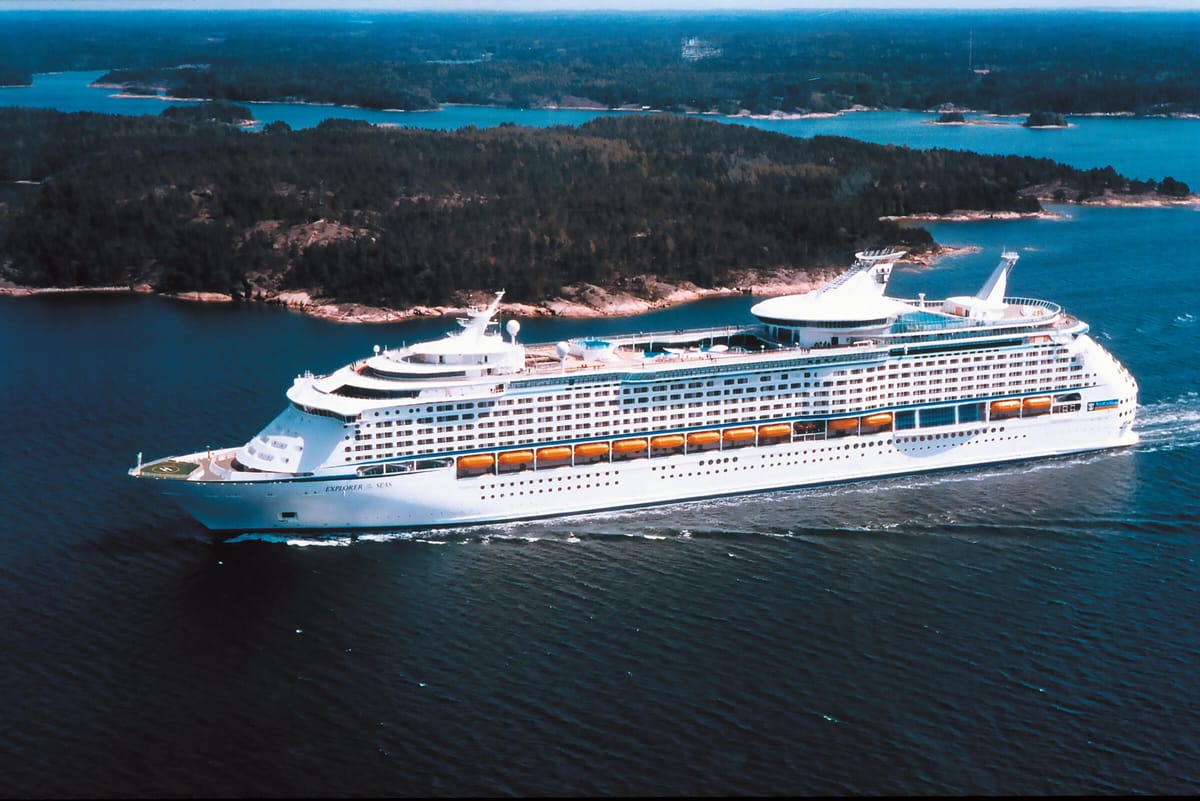
Royal Caribbean International’s Explorer of the Seas, the second vessel in the Voyager-class series, is celebrating its 25th anniversary. Delivered on September 28, 2000, by Kvaerner Masa-Yards in Finland, it was the world’s largest cruise ship upon its debut, with a capacity for over 3,000 guests in double occupancy. The ship’s christening ceremony, held in New York City on October 21, 2000, featured Olympic gold medalist Jackie Joyner-Kersee as its godmother. Explorer of the Seas kicked off its inaugural season with Caribbean and Bahamas itineraries sailing from Miami, setting the stage for a quarter-century of service.
Innovations and Early Contributions to Science
Among the vessel’s pioneering features was an onboard scientific research laboratory, developed in collaboration with the University of Miami and NOAA’s Atlantic Oceanographic and Meteorological Laboratory. Known as the Ocean Lab Program, the initiative operated until 2008 and facilitated the collection of vital atmospheric and oceanographic data. Over 80,000 passengers participated in guided tours of the lab, underscoring Royal Caribbean’s early commitment to innovation and forging connections with the scientific community.
Routine Dry Dock in Cádiz
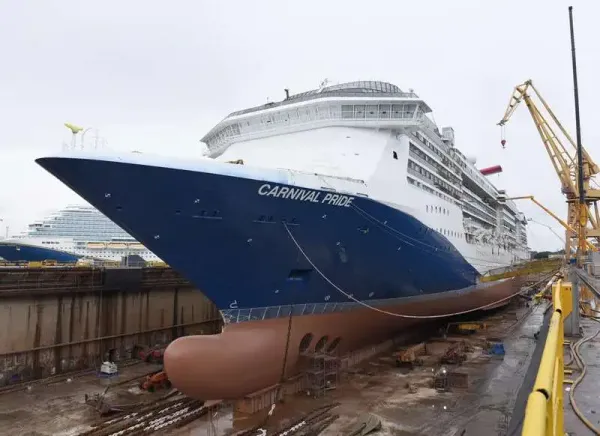
In late September 2023, Explorer of the Seas entered a scheduled dry dock at the Navantia Shipyard in Cádiz, Spain. This maintenance period, an essential part of cruise ship operations, involved routine technical inspections and updates. While cruise ships typically enter dry dock every three to five years for regulatory work, technical upgrades, and selective guest-facing enhancements, visible changes made during this stop were modest.
Specific improvements included refreshed carpeting in public spaces and new flooring in the ship’s solarium. Some passengers also noted the addition of new mattresses in cabins, which were well-received. However, longtime cruisers expressed disappointment at the lack of significant guest-facing upgrades, such as redesigned layouts or overhauls that have been implemented on certain sister ships. Community members speculated that the ship’s age, now 25 years, might play a role in limiting investment into extensive renovations. A Royal Caribbean representative confirmed the dry dock focused primarily on reliability, safety, and regulatory compliance but declined to comment on other potential updates.
Cruiser Feedback and Reactions
- Guests noted upgraded solarium flooring and refreshed carpeting in select public areas.
- Mixed impressions were shared regarding cabin updates, with some praising improved bedding comfort, while others lamented the removal of tables in cabins.
- Frequent cruisers pointed out that dry docks often prioritize technical upgrades over significant visible enhancements.
One passenger commented, “I don’t need upgrades, just keep the ship in good condition,” while another noted, “With the ship now at 25 years old, it probably becomes harder to justify significant investments in upgrades.” Positive feedback also included praise for the overall maintenance and readiness of the ship following its dry dock completion.
Upcoming Itineraries and Deployment
After concluding a summer deployment that featured Mediterranean sailings from Ravenna, Italy, Explorer of the Seas is set to reposition to Port Canaveral, Florida, for its winter season, beginning in early November 2023. The ship will offer four- and five-night itineraries to the Bahamas and Caribbean, showcasing stops at marquee destinations such as Royal Caribbean’s private island, Perfect Day at CocoCay.
The winter schedule includes visits to popular ports such as Nassau, Freeport, Grand Turk, Puerto Plata, Costa Maya, and Cozumel. Designed to cater to travelers seeking quick getaways and tropical experiences, these itineraries are expected to draw a wide demographic of passengers.
Frequently Asked Questions (FAQs)
What milestones has Explorer of the Seas achieved over its 25-year service?
The ship debuted in 2000 as the world’s largest cruise ship at the time, with pioneering features like an onboard scientific research lab. It continues to operate as an integral part of Royal Caribbean’s Voyager-class fleet.
What changes were made during the recent September–October dry dock?
Updates included technical maintenance, refreshed solarium flooring, and new carpets in public spaces. Guests observed few major visible changes beyond these refinements.
Where is Explorer of the Seas sailing next?
After wrapping up its Mediterranean deployment, the ship will begin winter cruises from Port Canaveral, Florida, offering itineraries that include stops at Perfect Day at CocoCay, Nassau, Freeport, Cozumel, and other Caribbean and Bahamian destinations.
Why was Explorer of the Seas placed into dry dock?
The ship underwent a scheduled maintenance period at the Navantia Shipyard in Spain for routine regulatory inspections, technical checks, and light guest-focused enhancements as part of Royal Caribbean’s established fleet upkeep program.
Is dry dock maintenance common for cruise ships?
Yes. According to the Cruise Lines International Association (CLIA), ocean-going vessels typically undergo dry dock every three to five years for technical updates, inspections, and compliance with international safety and environmental standards.
```