Dutch Authorities Lead Hondius Evacuations After Hantavirus Outbreak
About 30 guests disembarked from the Hondius at St. Helena before hantavirus was identified, widening contact tracing across several countries.
Updated June 6, 2026
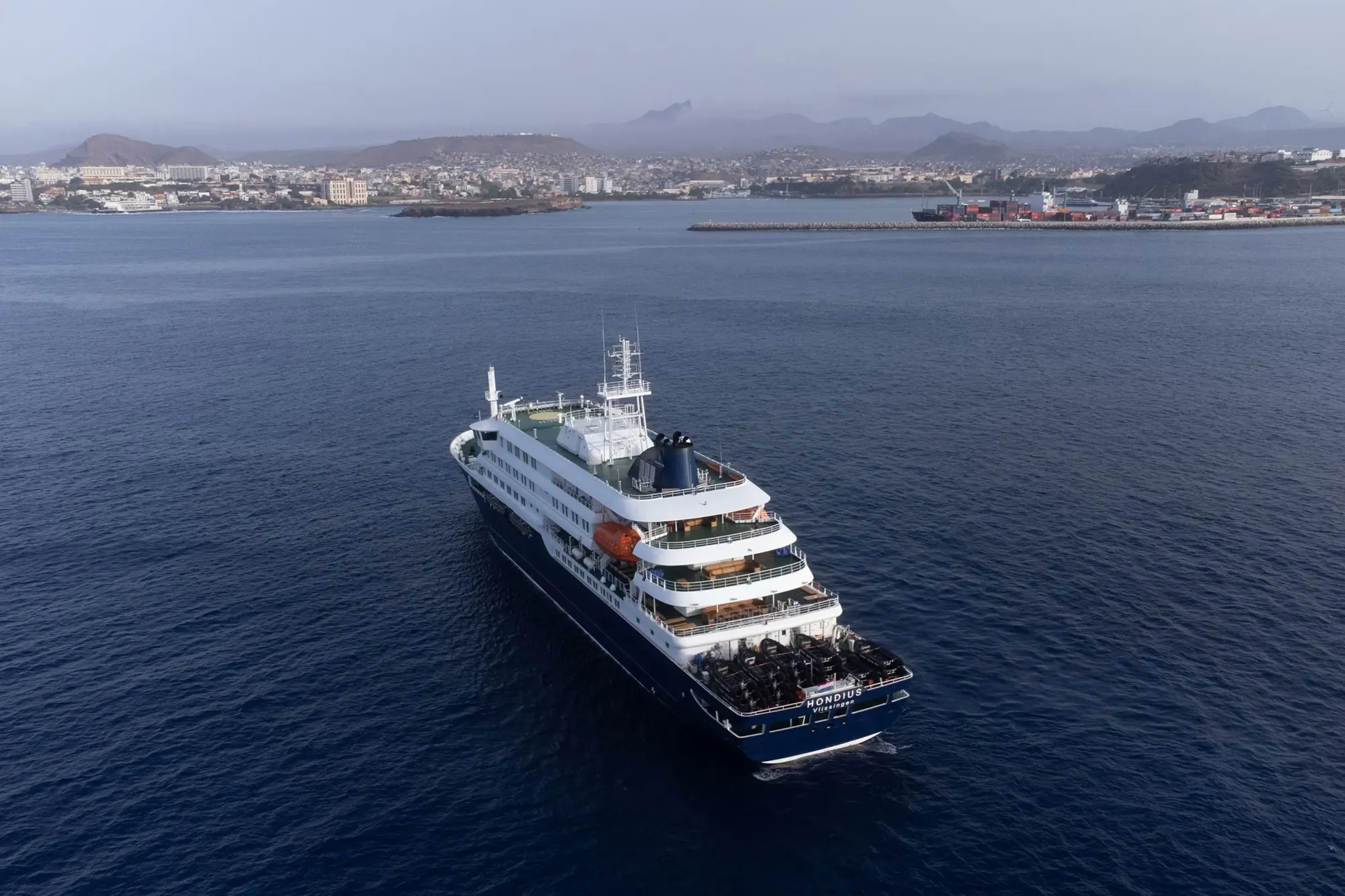
Oceanwide Expeditions' MV Hondius has been cleared to return to full operations after Dutch public health officials inspected the ship in Rotterdam following a deadly hantavirus outbreak tied to its previous voyage.
GGD Rotterdam-Rijnmond inspected the Dutch-flagged vessel on May 29 and issued official clearance on May 30, according to Oceanwide. "Based on this targeted inspection, it has been definitively established that the vessel has been effectively cleaned and that the disinfection has been completed in accordance with the prescribed guidelines," GGD Rotterdam-Rijnmond said. "From a public health perspective, there are no objections to returning the vessel to service."
The Hondius is scheduled to leave Rotterdam for Longyearbyen, Svalbard, on June 6, ahead of its first Arctic season voyage on June 13. The clearance follows an outbreak that left three passengers dead and led to quarantines, repatriations and monitoring in multiple countries. As of May 27, the World Health Organization reported 13 hantavirus cases, including the three deaths, tied to the previous sailing.
Cleaning and clearance in Rotterdam
Oceanwide said the disinfection was carried out over several days by 13 biosecurity specialists from EWS Group. The work covered all eight decks of the Hondius and included removal of residual organic matter, disinfection of hard surfaces with registered disinfection products and hydrogen peroxide, and high-temperature steam cleaning of soft surfaces. Qualified third-party professionals also declared the vessel rodent-free. Oceanwide said all specialists wore full personal protective equipment and established clean and contaminated zones during the operation.
"The close cooperation between our teams and the operational expertise provided by EWS Group played an important role in the successful completion of this complex disinfection operation and the vessel's preparation for return to service," said Remi Bouysset, chief executive officer of Oceanwide Expeditions.
All crew members from the prior voyage have disembarked and are in quarantine, according to Oceanwide. A full crew transition has taken place, the company said, and no crew members on board have had contact with individuals currently in quarantine. Oceanwide canceled two voyages to allow the cleaning and inspection process to be completed, covering the May 29-June 5 and June 5-13 departures.
How the outbreak unfolded
The Hondius left Ushuaia, Argentina, on April 1 for a voyage that included Antarctica and remote South Atlantic islands. A 70-year-old Dutch man became ill on April 6 and died on board five days later. His wife later disembarked at St. Helena and died in South Africa after collapsing while trying to fly home.
A British passenger evacuated to South Africa on April 27 tested positive for hantavirus, the first confirmed case in the outbreak. A German woman later died aboard the ship on May 2 while the vessel was sailing toward Cape Verde.
Dutch authorities initially moved to organize medical evacuation for two symptomatic people aboard the ship while Hondius was off Cape Verde. Oceanwide said at the time that any evacuation would require approval from Cape Verdean authorities, and Cape Verdean doctors boarded the ship to assess the patients before clearance was given.
"It's been very tricky for Cape Verdean authorities," Dr. Ann Lindstrand, a WHO official in Cape Verde, told The Associated Press. "What they have to deal with is a public health event."
Spain later accepted the vessel for passenger evacuation in the Canary Islands. More than 120 passengers and some crew were repatriated or placed in isolation in multiple countries before the ship continued to Rotterdam with 25 crew members, two medical personnel and the body of the German passenger who died aboard.
Source investigation and public health risk
The 107.6-meter Hondius is a Polar Class 6 expedition vessel that normally carries about 170 to 174 passengers on polar voyages, with roughly 70 crew members depending on the voyage profile. Oceanwide said medical and epidemiological information shows the hantavirus was introduced before embarkation and did not originate from the vessel or its onboard operational standards.
French researchers at the Pasteur Institute sequenced the Andes virus detected in a Hondius passenger and found it matched viruses already known in South America, with no evidence at that point of new characteristics that would make it more transmissible or more dangerous.
Hantavirus is most often associated with exposure to infected rodents, including urine, droppings or saliva. The Andes virus strain linked to the Hondius outbreak can spread between people in rare cases, generally after close and prolonged contact, according to health officials.
The Hondius cluster is the first known hantavirus outbreak on a cruise ship. Dr. Hans Henri P. Kluge, WHO regional director for Europe, said the illness can be severe, but that broader travel restrictions were not needed. "The risk to the wider public remains low," he said. "There is no need for panic or travel restrictions."