Cruise Demand Holds Firm Despite Hantavirus, Norovirus Outbreaks
CruiseCompete.com said it booked 31.7 percent more cabins in the first half of May than a year earlier, while Viking said 92 percent of its 2026 cruises were booked.
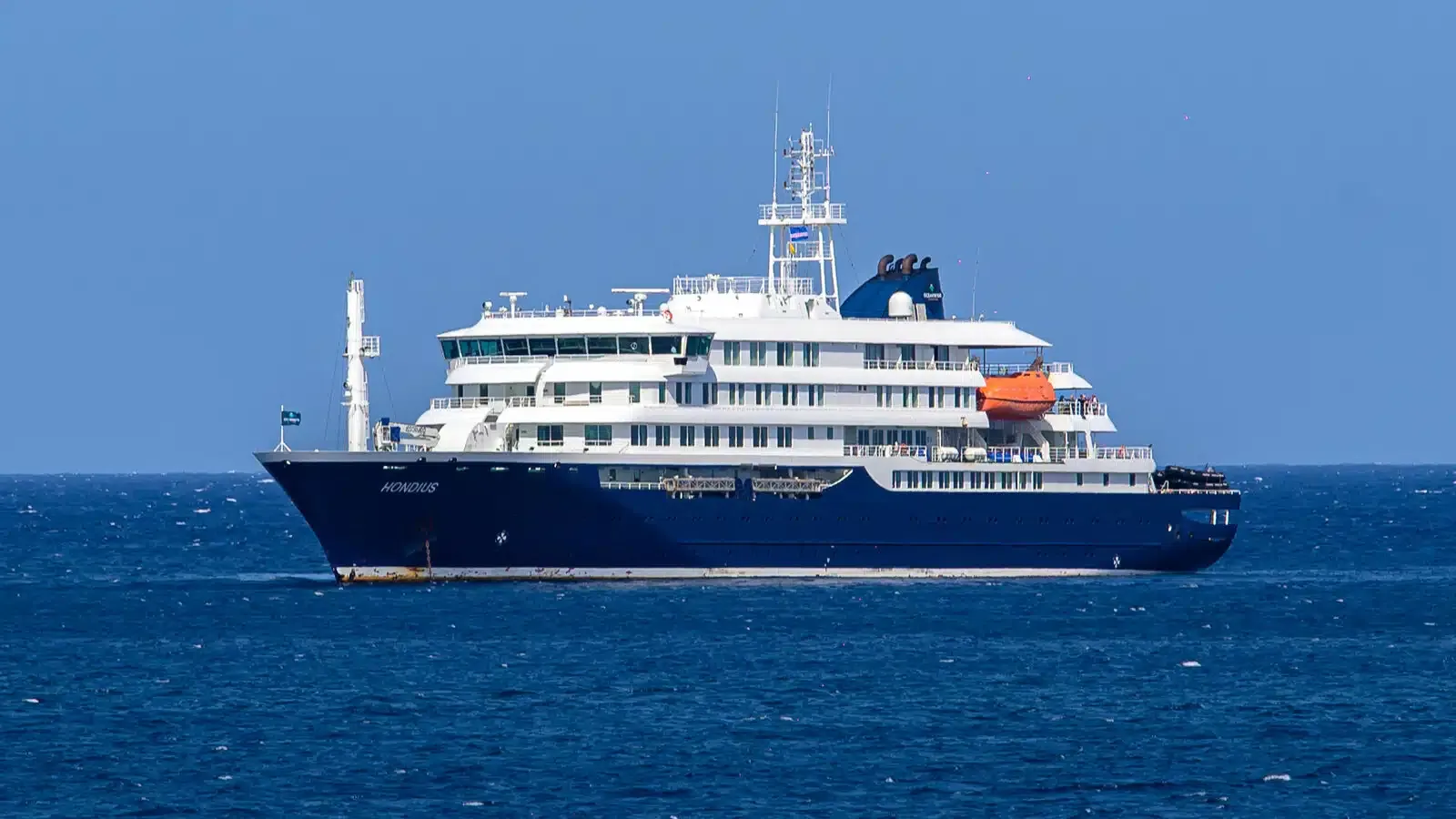
Cruise demand is still tracking toward a global passenger record in 2026 despite the deaths of three passengers from hantavirus aboard MV Hondius and a separate norovirus outbreak affecting a British ship in Bordeaux, France. The Cruise Lines International Association’s April forecast estimated 38.3 million ocean-going passengers this year, up 4% from the record 37.2 million carried in 2025.
The response so far suggests the outbreaks have not materially changed the industry’s demand outlook, though operators and trade groups are offering limited visibility into bookings. “The cruise consumer seems to be somewhat Teflon when it comes to stories like this,” said Rob Kwortnik, associate professor at Cornell University’s Nolan School of Hotel Administration.
Booking signals remain positive, but data are limited
Industrywide sales figures are not public. CLIA said it does not comment or speculate on bookings, and Royal Caribbean, Norwegian and Carnival did not respond to Associated Press questions about customer demand tied to the health incidents.
One consumer-facing marketplace reported a stronger May. CruiseCompete.com booked 31.7% more cabins in the first half of the month than in the same period last year, CEO Bob Levinstein said. “I can categorically say that we have not seen any drop in demand,” Levinstein said.
Viking also pointed to strength beyond the current year during an investor call, saying demand for its river product briefly softened in the first quarter after the Iran war began before recovering. The company said 92% of its 2026 cruises and 38% of its 2027 cruises were booked, and did not mention hantavirus or norovirus.
Kwortnik said booking windows are one reason headline health events often have little near-term effect on cruise departures. Many cruises are bought at least six months ahead, and often closer to a year in advance. “People who are booking cruises tomorrow are thinking about the holidays,” he said.
Andrew Coggins, a cruise industry analyst and professor at Pace University’s Lubin School of Business, said any demand effect would be more likely to show up later. “If you’re cruising in the next few months, you’re past the point at which you can get your money back,” he said.
Consumer survey data also point to broader interest in cruising. Bank of America found in a recent U.S. survey that Generation Z and millennial respondents were the most likely to say they planned to cruise in the next 12 months, while cruise spending among lower-income households increased even as those households reduced spending on airfare and lodging.
Health reporting keeps cruise outbreaks visible
Norovirus remains the illness most closely associated with cruise ships in public perception, in part because of the reporting rules that apply to vessels under the U.S. Centers for Disease Control and Prevention’s Vessel Sanitation Program. The program covers cruise ships carrying 13 or more passengers on foreign itineraries that call at U.S. ports, and public notification is triggered when at least 3% of passengers or crew report gastrointestinal symptoms.
Levinstein said that threshold can make shipboard illness sound larger than it feels onboard. On a 5,000-passenger ship, he said, a 3% illness rate affects 150 people and “goes completely unnoticed by the vast majority of vacationers.” CDC data cited by health experts also show cruise ship norovirus outbreaks account for about 1% of all reported norovirus outbreaks.
The hantavirus outbreak on MV Hondius is a different case. The Netherlands-flagged, 170-passenger Polar Class 6 expedition vessel is operated by Oceanwide Expeditions, which has four active vessels focused on Arctic and Antarctic cruising. The outbreak involved nine confirmed and two suspected cases, and more than 120 passengers and some crew were evacuated in Spain’s Canary Islands and placed in isolation in several countries.
Health authorities identified the strain as Andes virus, a hantavirus normally associated with exposure to infected rodents but capable of rare person-to-person transmission. Andreas Hoefer, who oversees operational coordination for the European Union’s public health reference laboratories, said genome sequencing had not shown evidence that the virus was behaving differently from known circulating strains. “We have no reason to suspect that this is a new virus,” Hoefer said.
Oceanwide awaits clearance for Hondius schedule
Oceanwide initially said it did not foresee changes to operations, including a scheduled May 29 departure from Keflavik, Iceland. The company later said it expected clarity by the end of the week on whether MV Hondius would sail and on its broader schedule, adding that the ship cannot resume service without official authorization.
Oceanwide CEO Remi Bouysset said the company was working with the World Health Organization, Dutch public health authorities and other medical and diplomatic organizations. “From the beginning, our priority was to support those affected,” Bouysset said, citing medical response, operational coordination and communication as the company’s focus.
The company has not commented on cancellation or rebooking requests for Hondius voyages, saying it was focused on safety, disembarkation procedures and coordination with authorities. MV Hondius was expected to arrive in Rotterdam on May 17 or 18 for cleaning and disinfection, with protocols being finalized alongside health officials.