China’s Rising Port Fees Prompt Cruise Lines to Skip Major Chinese Ports
China's escalating port fees for U.S.-linked ships are prompting cruise lines to bypass major Chinese ports, shifting regional travel patterns and benefiting non-U.S. and domestic operators.
China’s recently implemented special port fees targeting U.S.-linked ships are influencing cruise itineraries across East Asia, prompting operators to rethink calls at Chinese ports. Introduced on October 14 as part of a broader trade dispute, the new fees have already compelled luxury lines such as Oceania Cruises’ Riviera to reroute away from Shanghai, underscoring the high financial stakes for cruise operators. These measures are seen as China’s retaliation for U.S. port fees targeting Chinese-owned, operated, or built vessels.
New Port Fee Policy and Its Structure
Under the program, U.S.-owned, U.S.-operated, U.S.-flagged, or U.S.-built vessels, including cruise ships, are subject to escalating fees. Currently, the rate is set at 400 yuan (approximately $56 USD) per net ton, and it is scheduled to rise annually to 1,120 yuan ($157 USD) per net ton by April 2028. The fees apply only at a ship’s first Chinese port of call and are capped at five voyages per ship annually. This structure disproportionately affects luxury liners due to their large tonnage, resulting in multimillion-dollar costs per visit. For comparison, U.S.-imposed charges on Chinese vessels reportedly begin at $50 per ton.
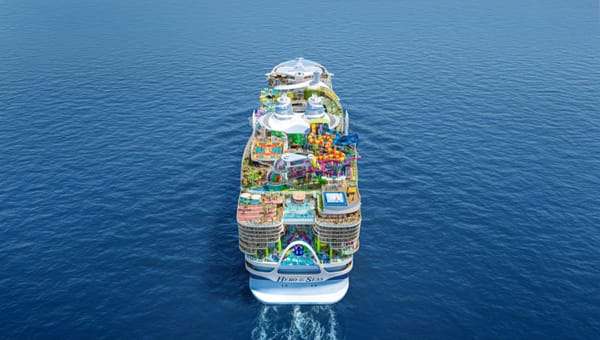
Cruise ships, significantly larger than many commercial vessels in terms of net tonnage, bear the brunt of the cost. For instance, the 66,172-gross-ton Oceania Cruises’ Riviera would have incurred fees of approximately $1.6 million for a single-day stop in Shanghai, prompting its diversion to Busan, South Korea. Similarly, larger ships such as Royal Caribbean International’s Spectrum of the Seas, at a gross tonnage of 169,379, could face fees exceeding $9 million per voyage, rising to over $26.5 million by 2028 without exemptions.
Implications for U.S.-Based Cruise Lines
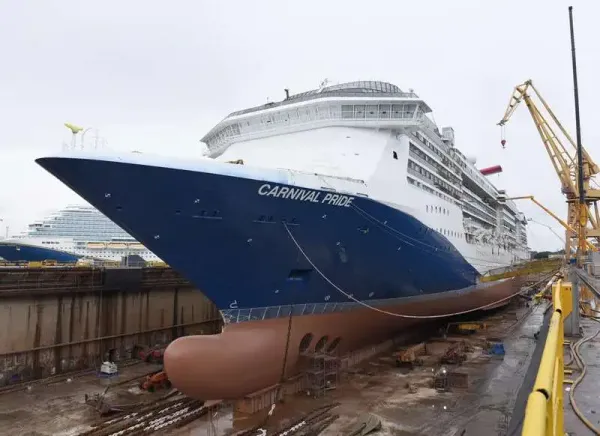
The fees represent a significant deterrent for U.S.-based cruise operators, who dominate over 75% of global cruise capacity. Companies like Carnival Corporation, Norwegian Cruise Line Holdings, and Royal Caribbean Group are now reconsidering calls at Chinese ports. Disney Cruise Line, planning its first Asia deployment with future Shanghai stops, is unlikely to proceed under the current fee structure. Holland America Line, Princess Cruises, and Celebrity Cruises are also re-evaluating upcoming itineraries, with port calls potentially rerouted to alternative destinations such as Taiwan, Japan, or South Korea.
Oceania Cruises has officially stated, "Due to recently enacted retaliatory regulations passed by China, ships can no longer effectively visit mainland Chinese ports. We are therefore revising select itineraries to replace port calls." Likewise, Regent Seven Seas Cruises has substituted Shanghai stops for alternative destinations, emphasizing the broad impact of these measures.
Fee Exemptions for Homeported Ships
Not all ships are affected equally. Vessels homeported in China, such as Royal Caribbean’s Spectrum of the Seas, have secured waivers from the new port fees. Homeporting year-round in Shanghai and tailored specifically to the Chinese market, the ship caters primarily to domestic tourists, offering regionally inspired amenities and itineraries. Shanghai port officials confirmed that the exemption applies specifically to homeported ships and does not constitute a blanket waiver for all U.S.-linked vessels. The Spectrum of the Seas is set to remain homeported in Shanghai until November 2026, when it will relocate to Hong Kong.
Swiss-owned MSC Cruises also remains unaffected, with the MSC Bellissima, homeported in Shanghai and flagged in Malta, continuing operations without incurring the new fees. These positions underscore a strategic advantage for international, non-U.S. operators in navigating the regulatory environment.
Boost for Domestic and Non-U.S. Market Actors
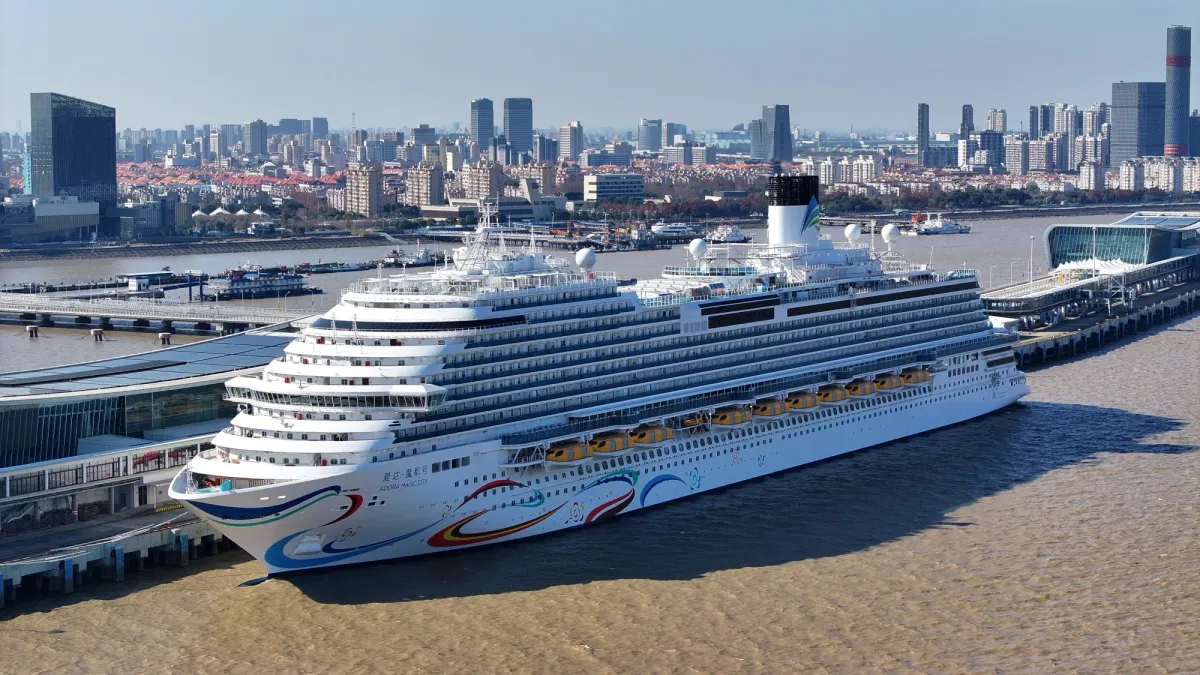
China’s domestic cruise operators are seizing the opportunity created by shifting itineraries. Adora Cruises, a state-backed venture, has seen considerable growth, with its flagship vessel, Adora Magic City, exemplifying China’s capacity to compete in the cruise sector. Other domestic lines, including Astro Ocean International Cruise and China Merchants Viking Cruises, are also expanding rapidly. This pivot highlights a growing emphasis on domestically built and operated ships, which remain unaffected by international trade disputes.
Non-U.S.-affiliated operators like MSC Cruises stand to benefit further from the regulatory changes, potentially filling the gap left by U.S.-based companies reassessing Chinese ports. Industry observers predict that these developments could foster a long-term realignment of market dynamics in East Asia.
Frequently Asked Questions (FAQs)
What are China's newly implemented port fees?
China is charging U.S.-linked vessels 400 yuan (approximately $56 USD) per net ton as of October 14, 2025, with the rate escalating annually to 1,120 yuan ($157 USD) by April 2028. These fees apply only at the first port of call on an itinerary and are capped at five visits per ship annually.
Why did Oceania Cruises’ Riviera cancel its Shanghai stop?
The ship faced an estimated $1.6 million in port fees for a one-day visit under the new policy. Oceania Cruises opted to replace the Shanghai stop with a call at Busan, South Korea, citing the prohibitive costs as the reason for this itinerary change.
Are all cruise ships exempt from the new fees?
No. Exemptions are currently granted to ships homeported in China, such as Royal Caribbean’s Spectrum of the Seas. Other U.S.-linked cruise ships remain subject to the fees unless specific waivers are obtained.
Which cruise operators are most affected by the fees?
U.S.-based companies like Carnival Corporation, Norwegian Cruise Line Holdings, and Royal Caribbean Group are significantly impacted, with many re-evaluating planned port calls in mainland China. Disney Cruise Line is also unlikely to proceed with anticipated Shanghai stops under the current policy.
Are non-U.S. and domestic operators subject to the fees?
No. Non-U.S. operators like Switzerland-based MSC Cruises and Chinese domestic lines are not affected by the policy. MSC’s Bellissima and Chinese operators, including Adora Cruises, are expected to continue operations without disruption.